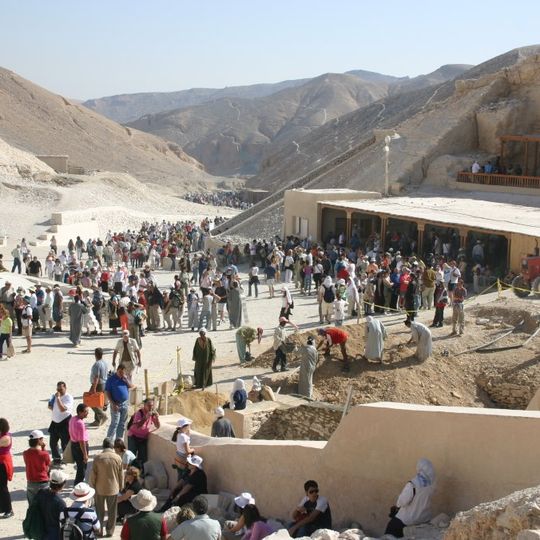
KV63, Ancient tomb in Valley of the Kings, Egypt
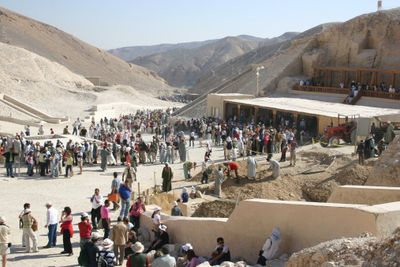
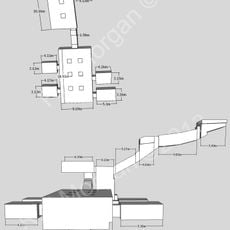
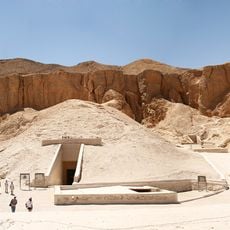
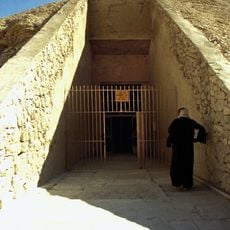
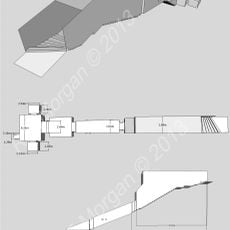
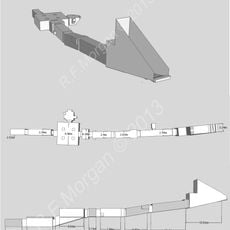
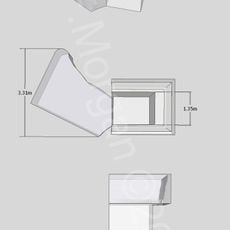
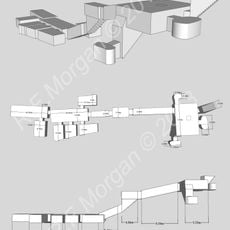
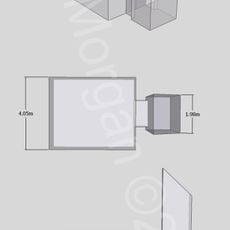
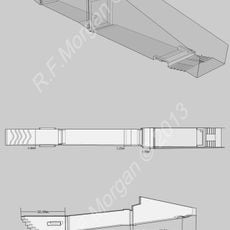
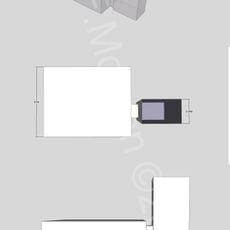
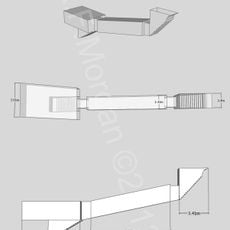
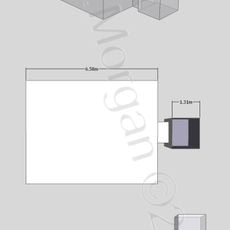
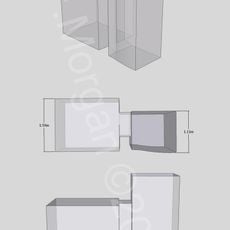
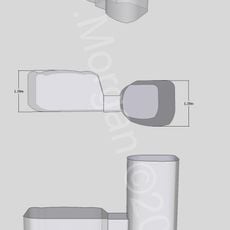
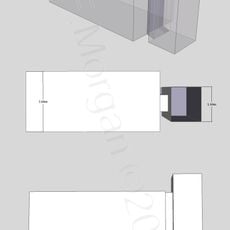
KV63 is a chamber in the Valley of the Kings near Luxor, reached by a vertical shaft about five metres deep. At its foot stands a 1.5-metre door of stone blocks, behind which lies a single room of roughly four by five metres with plain white walls. The shaft's overhang resembles those of KV55 and the tomb of Yuya and Thuya.
The University of Memphis research team led by Dr. Otto Schaden discovered the site in 2005. This find marked the first tomb discovery since the resting place of Tutankhamun was found in 1922.
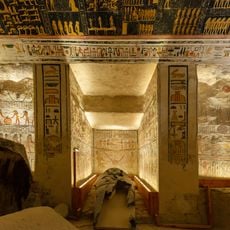
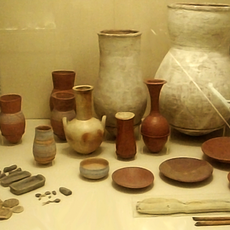
The seven wooden coffins held no bodies: they carried embalming supplies, and two adult coffins plus a child's bear yellow funerary masks while the rest have black ones. Clay seal impressions preserve part of the name 'pa-aten', linked to Ankhesenamun, wife of Tutankhamun. The 28 jars, about 75 cm tall and 40 kg each, were sealed with a mud plug, then a seal, then plaster.
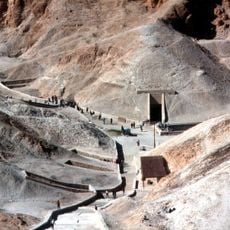
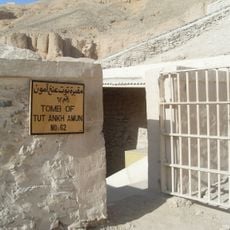
KV63 lies between KV10 (Amenmesse) and KV62 (Tutankhamun), near the main crossroads of paths in the Valley's eastern branch. Its shaft descends about five metres to a 1.5-metre stone-block door, and the chamber is closed to visitors. The open chamber is at risk of damage from flash floods.
Unlike royal tombs, this site served as a storage facility for materials similar to those in the embalming chamber of Tutankhamun. The find contained no human remains but only items used to prepare burials.
The community of curious travelers
AroundUs brings together thousands of curated places, local tips, and hidden gems, enriched daily by 94,676 contributors worldwide.