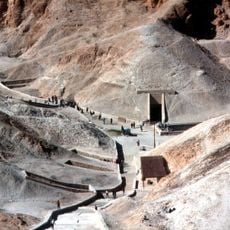
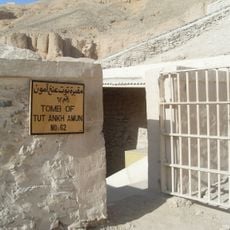
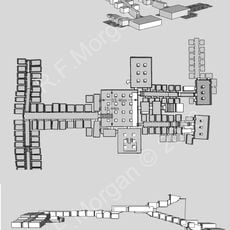
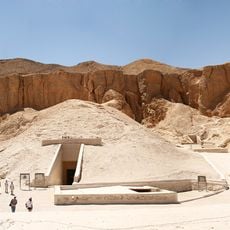
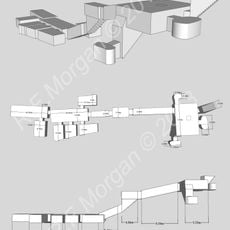
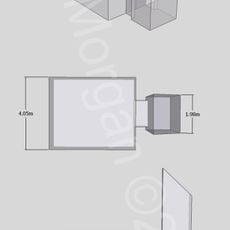
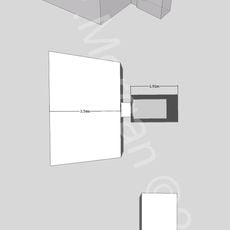
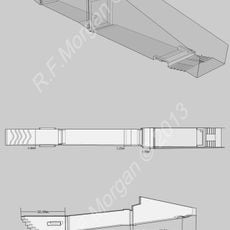
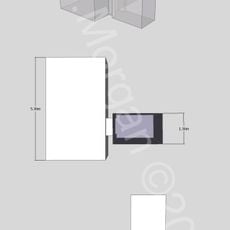
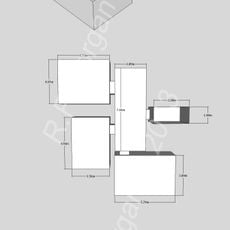
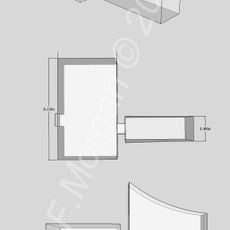
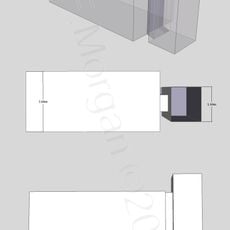
KV50, Burial chamber in Valley of the Kings, Egypt
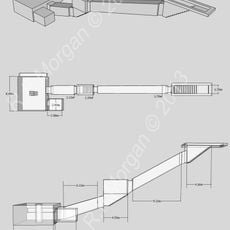
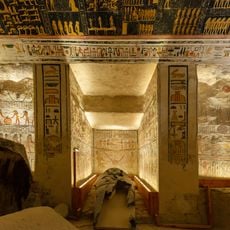
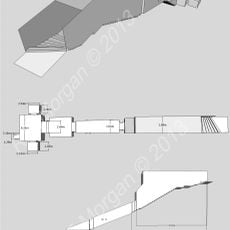
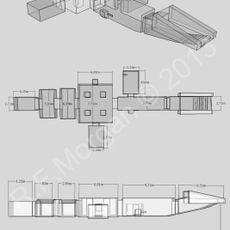
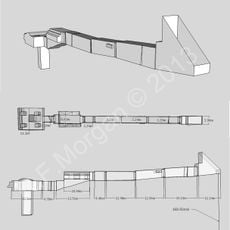
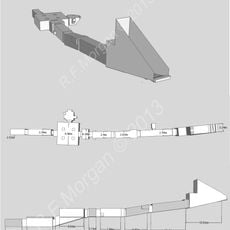
KV50 is an underground tomb in the Valley of the Kings featuring a shaft that descends into a burial chamber. The main chamber contains animal remains and is partially filled with ancient debris and sediment.
Edward R. Ayrton discovered this site in 1906 while conducting excavations for Theodore M. Davis. The find revealed ancient burial practices and contributed to understanding how animals were treated in death.
KV50, KV51 and KV52 form the "Animal Tombs", a group of Eighteenth Dynasty burials for animals. Their position near the tombs of Amenhotep II (KV35) and Horemheb (KV57) may point to the owner of the pets. The tombs were robbed in antiquity and are now empty; KV50's location is not precisely known today.
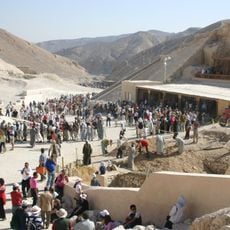
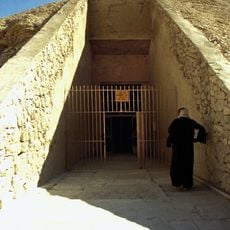
KV50 is not open to visitors: its exact location is no longer known, and the shaft and chamber were reburied after excavation. It cannot be entered with a Valley of the Kings ticket. The nearby decorated tombs of the valley are the visitable ones; KV50 can only be studied through excavation reports and the Theban Mapping Project.
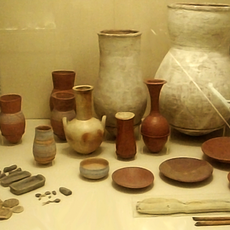
The 2009–2010 excavation led by Zahi Hawass and Ahmed el-Leithy, aiming to relocate KV50–KV53, found Eighteenth Dynasty pottery, tools and ostraca. These limestone sherds, not pottery vessels, carry figured sketches: a seated queen presenting an offering, sexual scenes with women and animals, and cartouches of Ramesses II.
The community of curious travelers
AroundUs brings together thousands of curated places, local tips, and hidden gems, enriched daily by 94,303 contributors worldwide.