KV5, Royal tomb in Valley of the Kings, Egypt
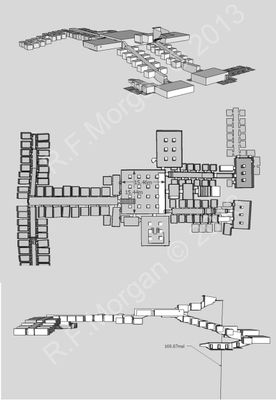
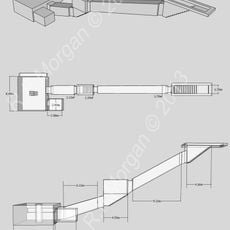
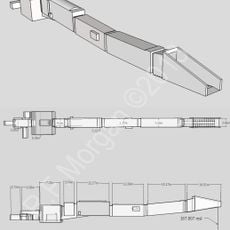
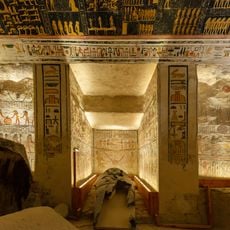
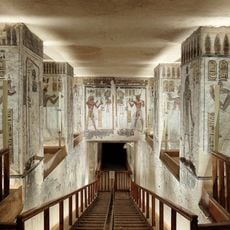
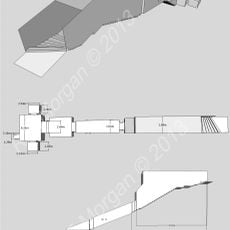
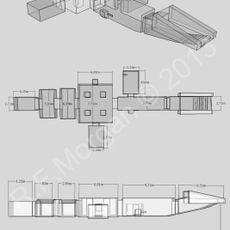
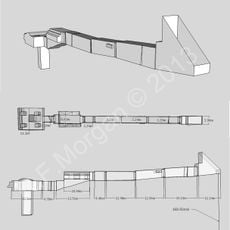
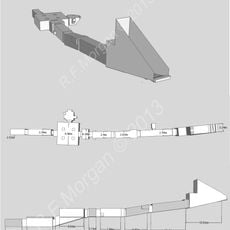
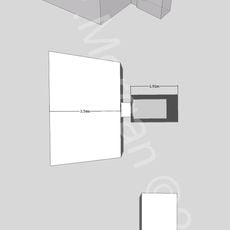
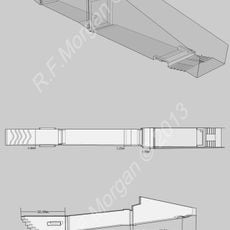
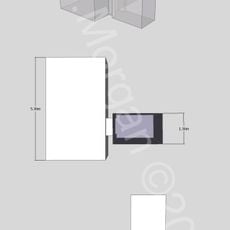
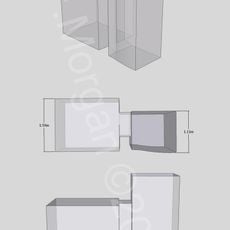
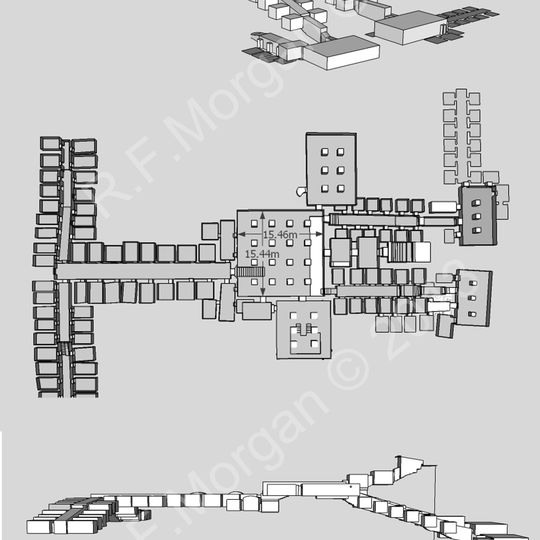
This royal tomb runs over 440 meters into the limestone cliffs and holds more than 130 connected chambers. The layout centers around a pillared hall from which numerous corridors and smaller rooms branch off.
The tomb was built during the reign of Ramses II in the 13th century BCE. Archaeologists entered the outer sections in 1825, but the full scale remained unknown until an American team rediscovered it in 1995.
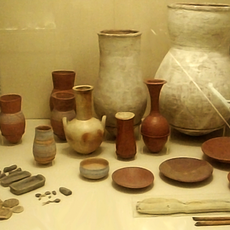
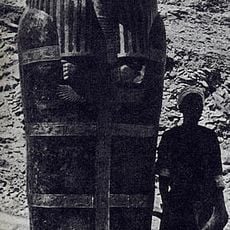
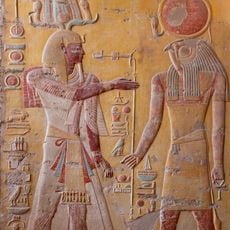
KV5 was the burial place of most of Ramesses II's children, male and female, especially those who died during his long reign. The number of chambers found in 1995, about 70, roughly matches the number of sons the pharaoh fathered. Finds include thousands of potshards, ushabti figures, faience beads, hieratic ostraca, glass vials, inlays and a large statue of Osiris; skull fragments of Amun-her-khepeshef were reconstructed.
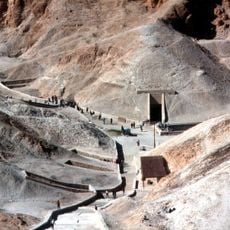
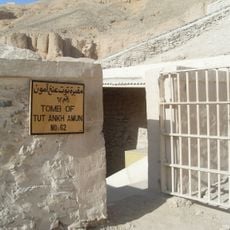
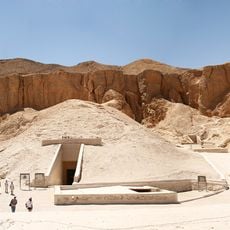
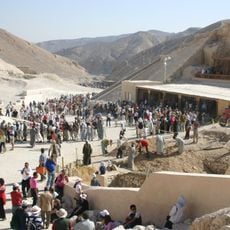
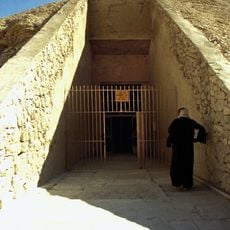
KV5 is not open to visitors; the corridors cleared by the Theban Mapping Project are a working excavation site, and entry is limited to the research team. The tomb lies near the entrance to the Valley of the Kings, close to KV7, the tomb of Ramesses II. Its low position means flood rubble still fills most of the chambers.
Only about seven percent of the total area has been excavated so far, and digging continues. Researchers believe many undiscovered chambers still lie deeper in the hillside.
The community of curious travelers
AroundUs brings together thousands of curated places, local tips, and hidden gems, enriched daily by 94,632 contributors worldwide.