Tomb of Tutankhamun, Ancient royal tomb in Valley of the Kings, Egypt.
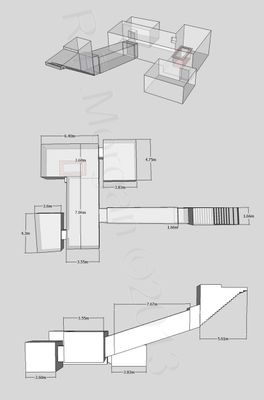
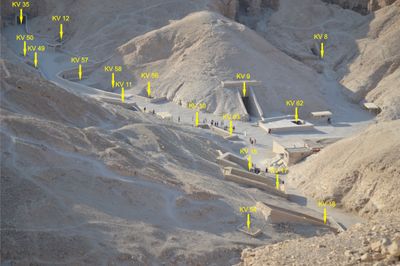
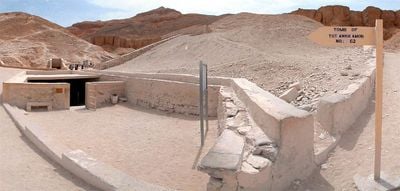
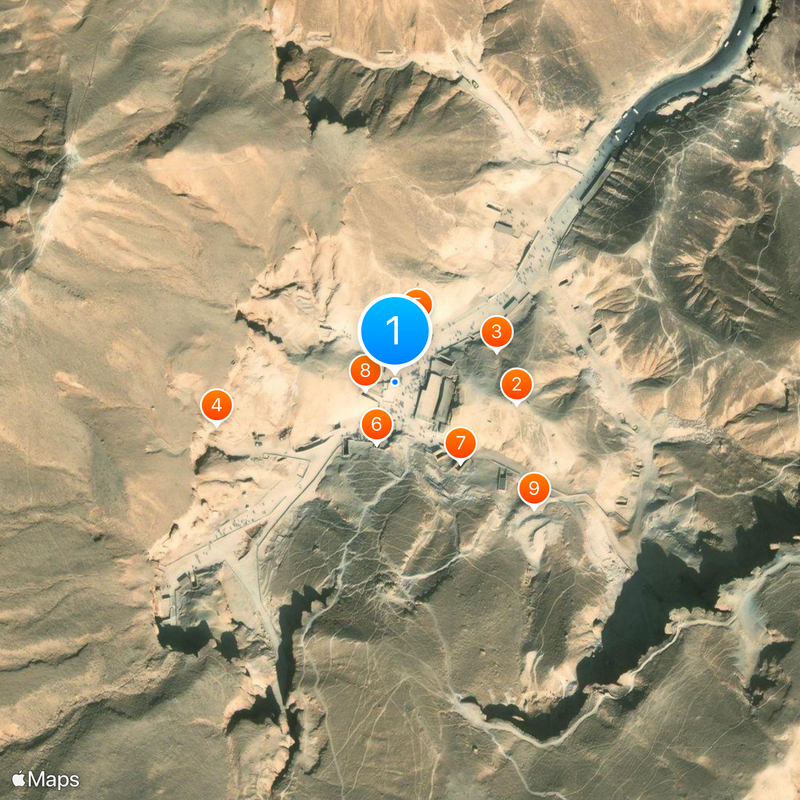
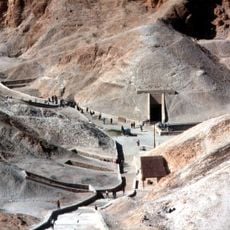
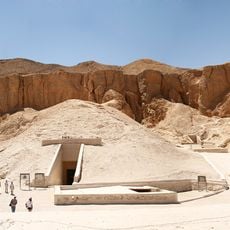
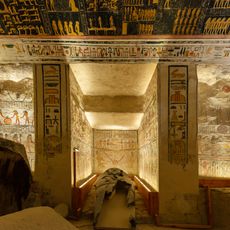
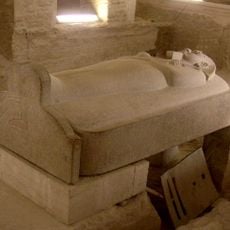
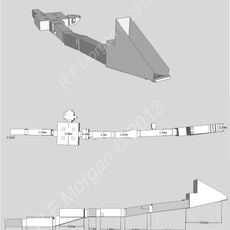
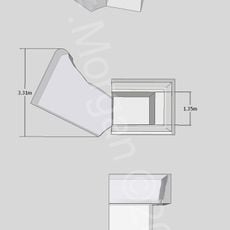
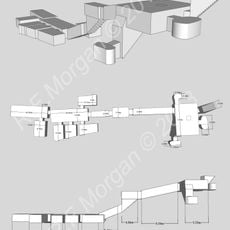
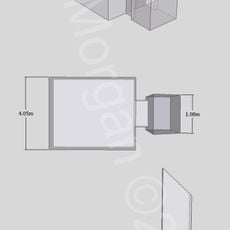
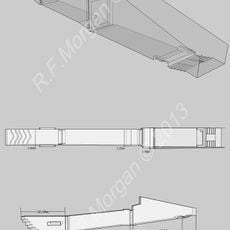
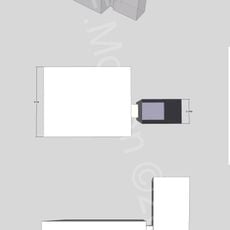
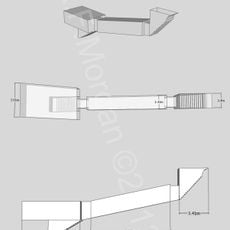
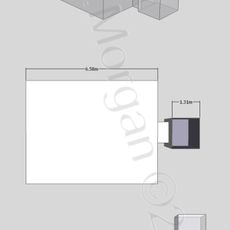
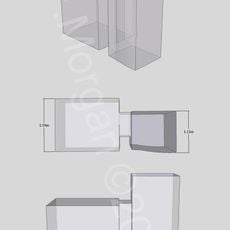
The resting place of Tutankhamun is an underground tomb in the Valley of the Kings near Luxor that extends roughly 30 meters (100 feet) into limestone rock. The rooms are small and simply arranged, with a burial chamber holding a stone sarcophagus that contains the nested coffins.
Howard Carter uncovered the sealed chamber in November 1922 and found it nearly intact after it had lain hidden for over three thousand years. The young pharaoh died at around nineteen years of age during the Eighteenth Dynasty and was quickly laid to rest in this small structure.
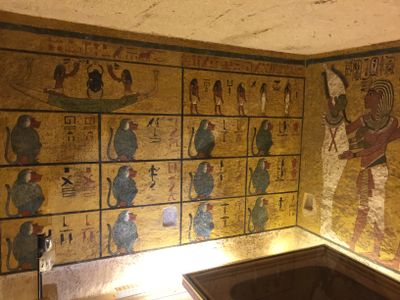
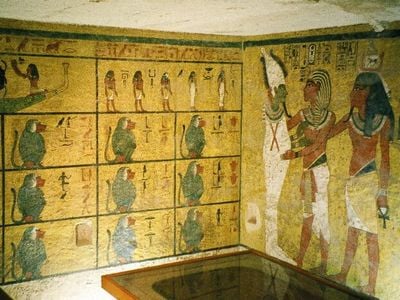
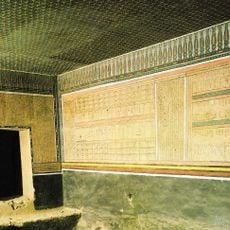
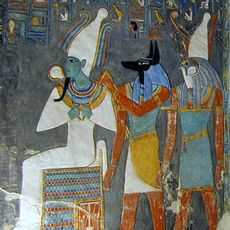
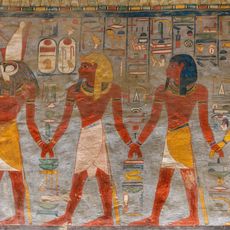
Wall paintings show ritual scenes where priests perform ceremonies and the young ruler meets deities in the afterlife. These images follow religious rules of the Eighteenth Dynasty and were meant to guide the deceased safely into eternity.
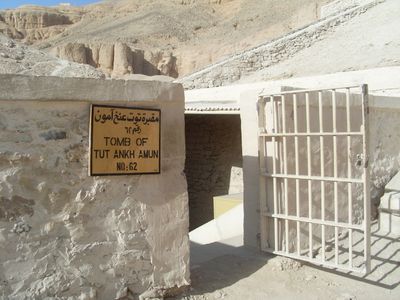
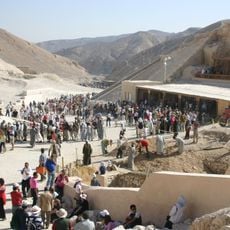
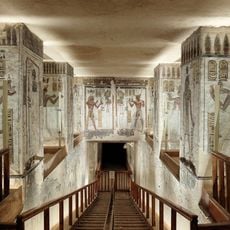
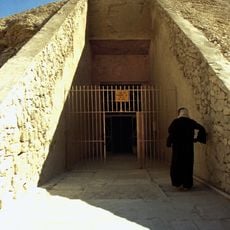
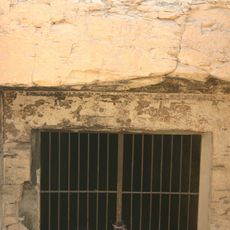
A steep stairway leads down from the entrance to the chambers that lie deep inside the rock and are cooler than outside temperatures. The access is narrow, and the rooms offer limited space for visitors, so it can feel tight during busier periods.
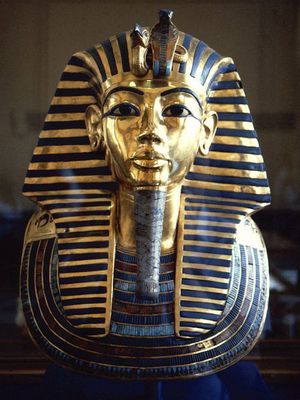
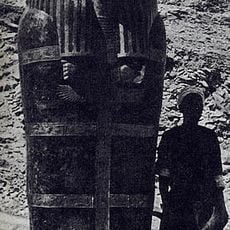
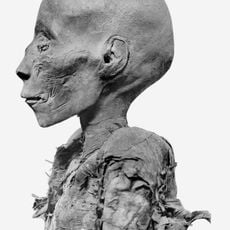
The mummy of the young ruler still rests in the original chamber, while most other finds are displayed in museums. Visitors can see the outer coffin made of gilded wood that has remained inside the sarcophagus, making the burial tangible.
The community of curious travelers
AroundUs brings together thousands of curated places, local tips, and hidden gems, enriched daily by 60,000 contributors worldwide.