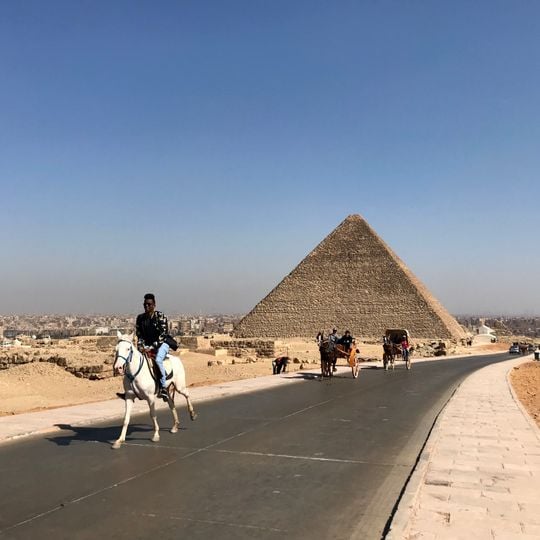
Egypt, Transcontinental country in North Africa and Southwest Asia
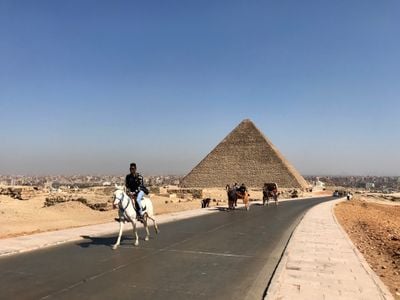
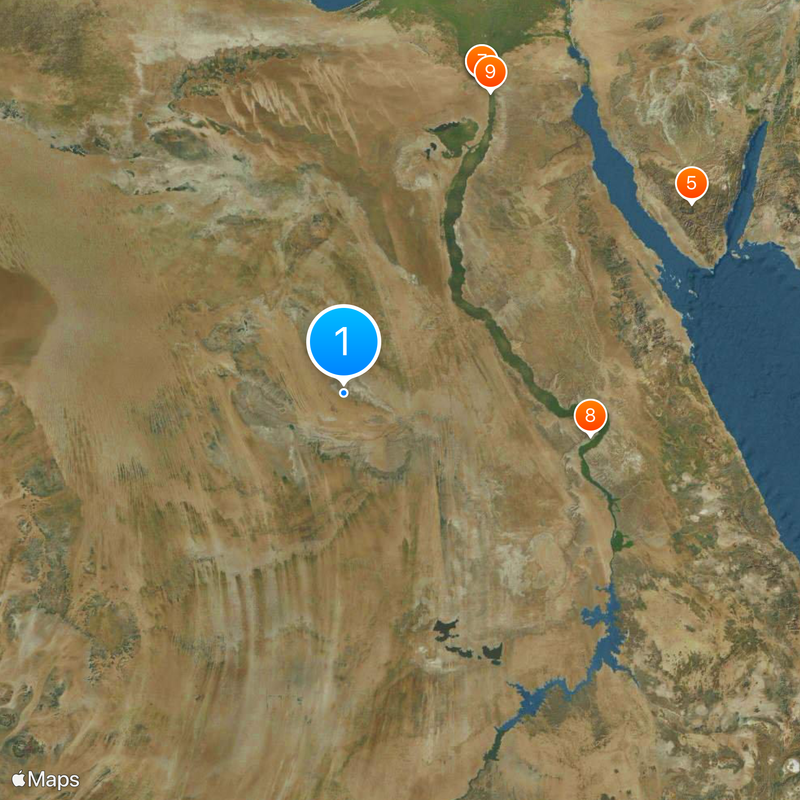
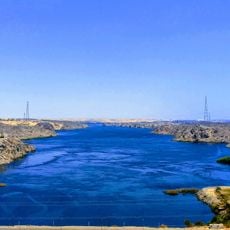
Egypt is a transcontinental nation stretching across the northeastern part of Africa and the Sinai Peninsula in Asia, covering roughly one million square kilometers. The Nile flows through the territory from south to north, creating a narrow river valley and a wide delta at the Mediterranean shore, with desert regions flanking the river corridor on both sides.
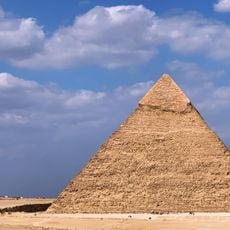
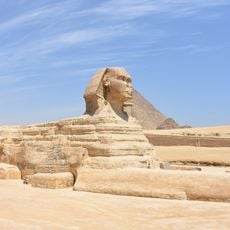
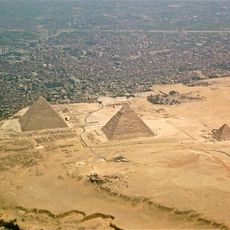
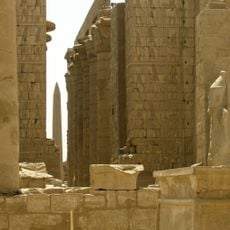
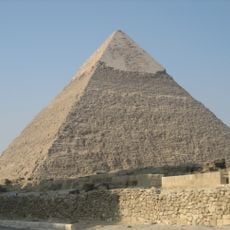
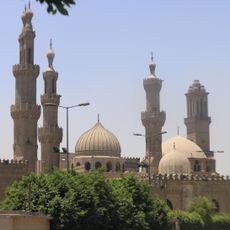
Pharaonic dynasties governed the region from around 3100 BCE and left behind monumental constructions along the Nile. Persian, Greek, and Roman powers controlled the area in turn before Islamic conquests in the seventh century introduced Arab influence, while Ottoman rule spanned the 16th to 19th centuries and independence in 1922 ended the British protectorate.
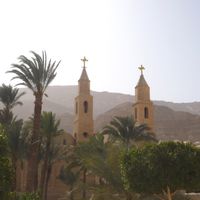
The name derives from the ancient Greek Aigyptos, which traces back to the Egyptian-Arabic word for the land along the Nile. Coptic Christians form the largest religious minority and celebrate their liturgy in a language that descends directly from the pharaonic tongue.
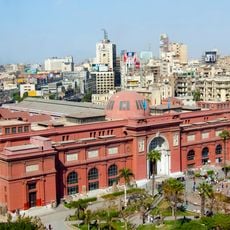
Cairo acts as the capital and main transport center with an international airport. The cooler months between November and March work best for travel, while visas are required for most visitors and can be arranged on arrival or beforehand online.
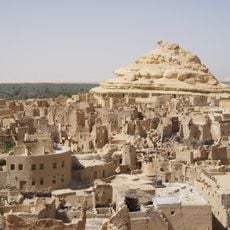
The Siwa Oasis sits 560 kilometers west of Cairo near the Libyan border and hosts a population with its own Berber language called Siwi. This remote settlement only became reachable by paved road starting in 1984, and traditional homes are built from kershef, a mix of salt and clay.
The community of curious travelers
AroundUs brings together thousands of curated places, local tips, and hidden gems, enriched daily by 60,000 contributors worldwide.