KV61, Unused rock-cut tomb in the Valley of the Kings, Luxor, Egypt
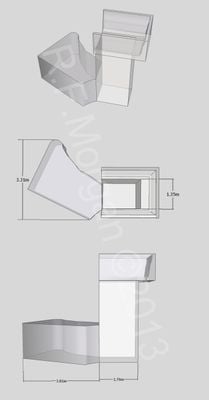
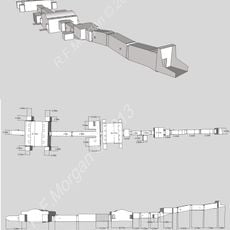
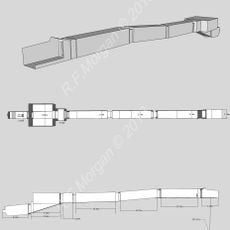
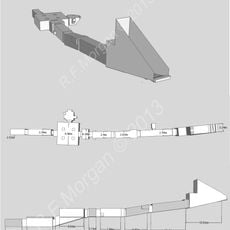
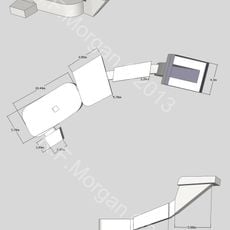
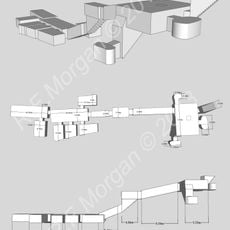
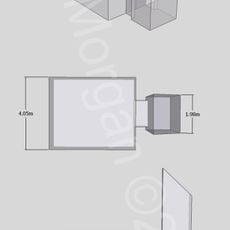
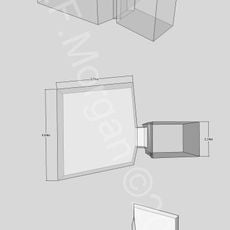
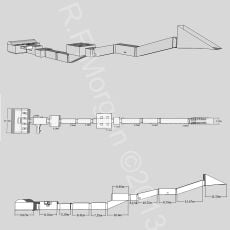
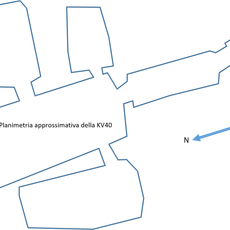
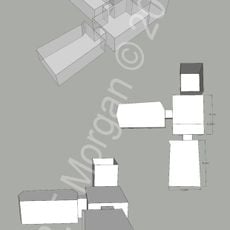
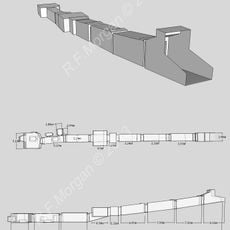
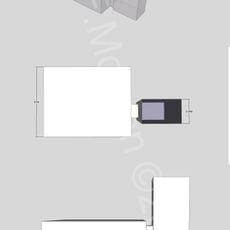
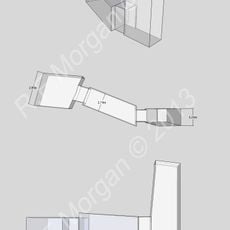
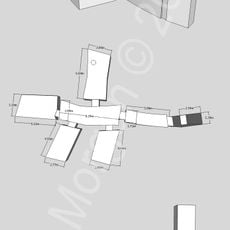
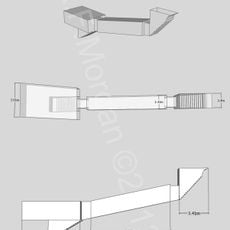
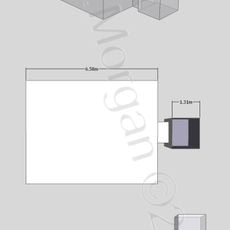
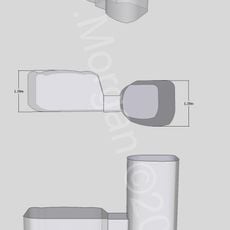
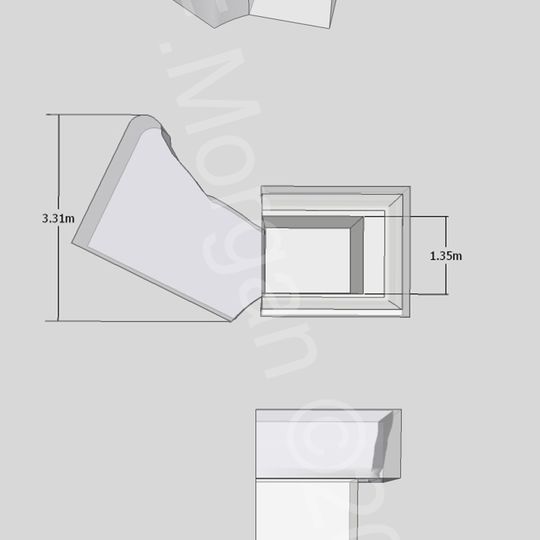
KV61 is an unfinished, undecorated tomb in the Valley of the Kings, consisting of a single irregularly cut room at the bottom of a shaft. The plan shows a broad entry corridor about 3.31 m long opening into a square chamber through a 1.35 m doorway. The ceiling is low and in poor condition, and the entrance sits well below the modern ground surface.
The tomb was discovered in 1910 by Ernest Harold Jones during excavations commissioned by Theodore Davis, with the shaft found completely sealed. Investigation revealed the burial chamber had never been used, despite the builders carefully closing the entrance.
The tomb represents construction methods of ancient Egyptian burial sites, featuring a simple shaft design common in the Valley of the Kings.
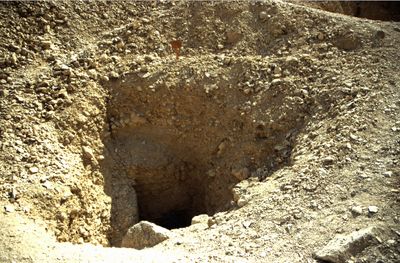
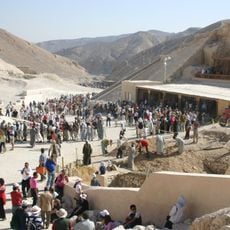
The entrance lies below current ground level and requires protective covers to safeguard it from seasonal flooding and debris accumulation. Access conditions may vary depending on weather and ongoing preservation work, so visitors should check local conditions before planning a visit.
The site presents a puzzling pattern: it was completely sealed and blocked with stone, yet no burial ever took place inside. This suggests the chamber may have been reserved for a future burial, or that circumstances shifted and the grave was ultimately unneeded.
The community of curious travelers
AroundUs brings together thousands of curated places, local tips, and hidden gems, enriched daily by 94,472 contributors worldwide.