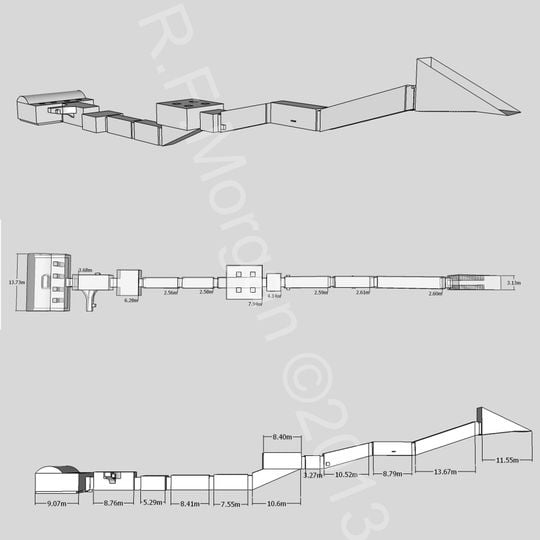
KV47, Ancient Egyptian tomb in the Valley of the Kings, Luxor, Egypt
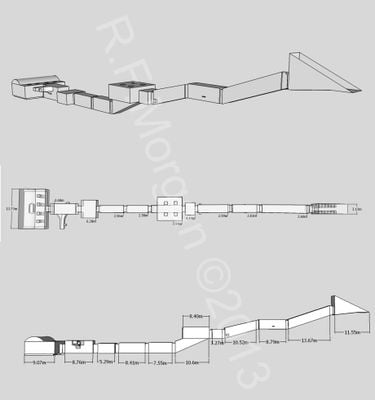
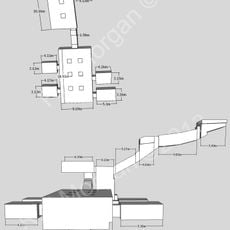
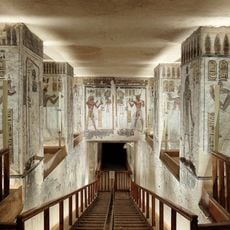
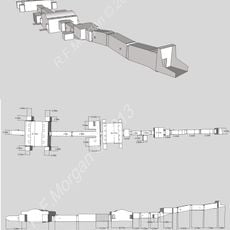
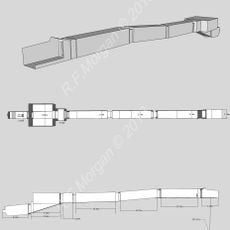
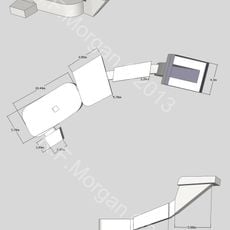
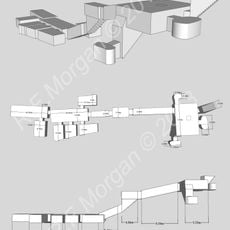
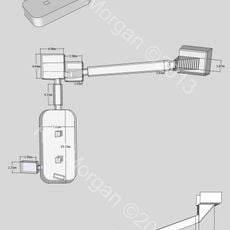
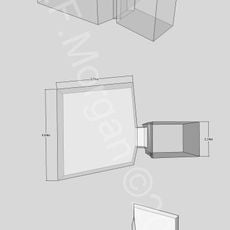
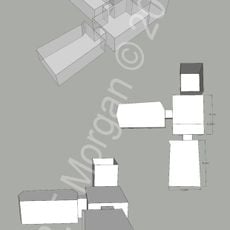
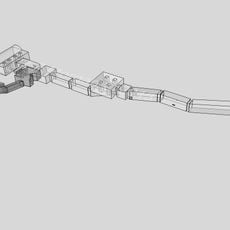
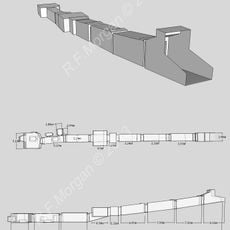
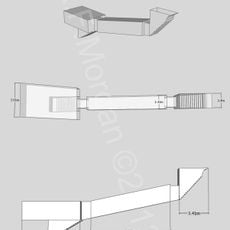
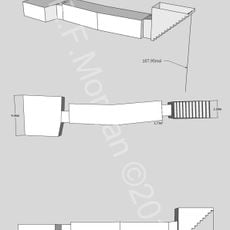
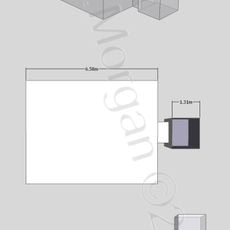
KV47 is the unfinished rock-cut tomb of Pharaoh Siptah in the Valley of the Kings, cut into a north–south tongue of rock rather than the cliff face. A ramp flanked by stairs leads to a stucco-covered doorway bearing the king's names and titles, then through three corridors to a pillared hall with one unstable column. A staircase in its floor descends to the burial chamber, 9.30 by 13.50 metres, with four columns across its width and a vaulted ceiling.
KV47 was begun in the first regnal year of Pharaoh Siptah of the Nineteenth Dynasty and remained unfinished. Edward R. Ayrton found it on 18 December 1905 while digging for Theodore M. Davis, the last Nineteenth- and Twentieth-Dynasty royal tomb uncovered in the valley. Ayrton stopped in 1907 over safety fears; Harry Burton resumed in 1912–13 and reached the burial chamber on 2 January 1913.
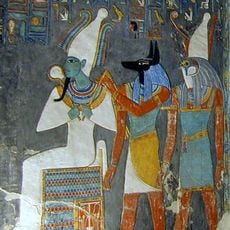
The decoration that survives is concentrated in the first corridors, where the king is shown before Re and passages from the Litany of Re and the Amduat appear alongside various deities. Most of the tomb, including the burial chamber, was left undecorated. Bones found in the burial chamber seem to belong to later burials, not to Siptah, whose mummy was found in KV35.
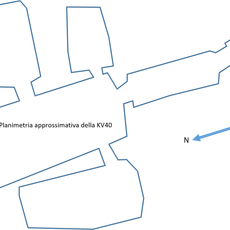
The tomb lies in a bay at the southern end of the Valley of the Kings, cut into a rock spur rather than the cliff face, near KV15, KV13 and KV14. Ayrton abandoned work in 1907 because the chamber ceilings were unsafe; Burton finished clearing in 1912–13. Expect collapsed ceilings and deep debris in the lower chambers.
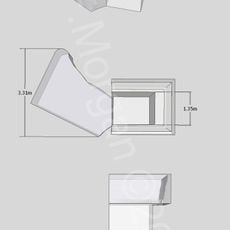
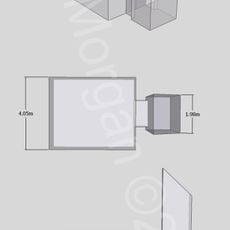
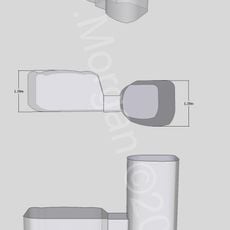
A side passage begun off the last corridor was abandoned after workmen broke through into Side Chamber Ja of the neighbouring tomb of Tia'a (KV32), on the other side of the hill. It was meant to start the original burial chamber or storage rooms.
The community of curious travelers
AroundUs brings together thousands of curated places, local tips, and hidden gems, enriched daily by 94,250 contributors worldwide.