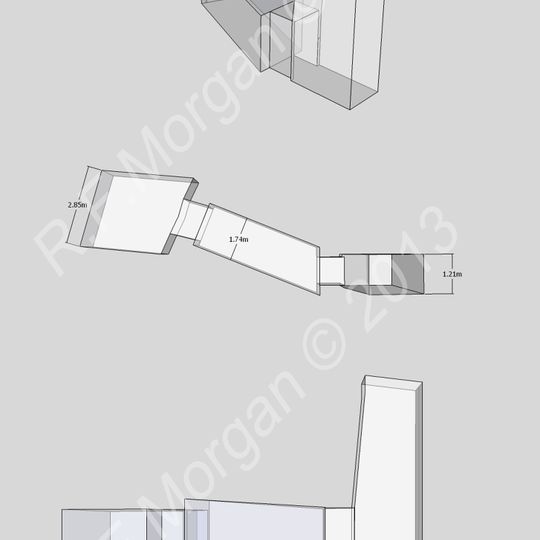
KV26, Ancient tomb in Valley of the Kings, Egypt
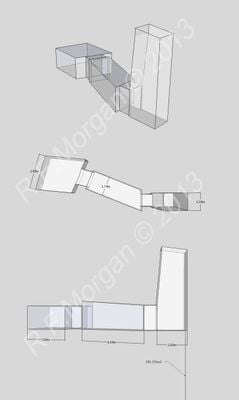
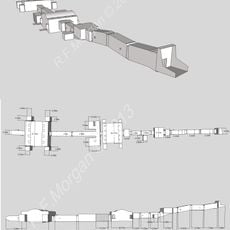
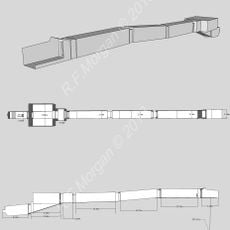
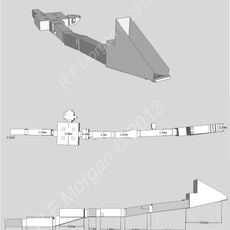
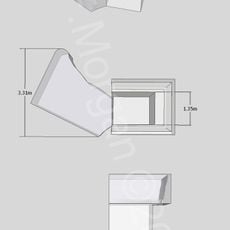
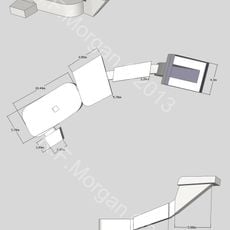
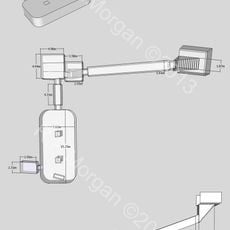
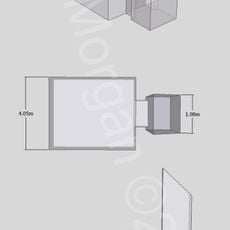
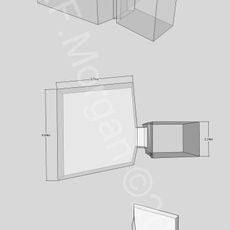
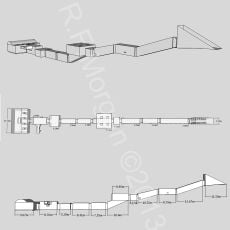
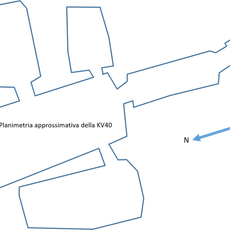
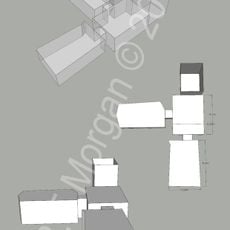
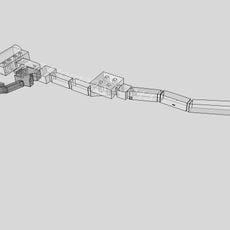
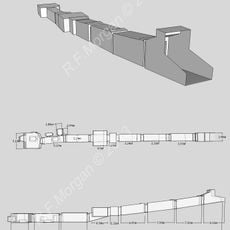
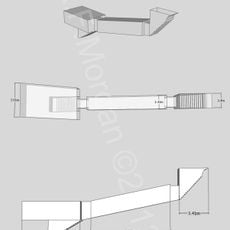
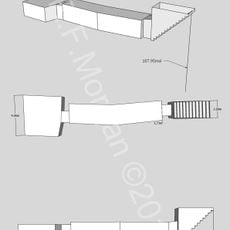
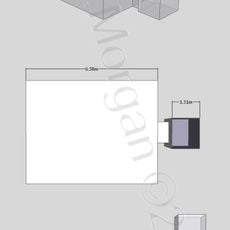
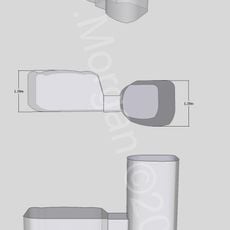
KV26 is an underground burial chamber in the Valley of the Kings that extends roughly twelve meters deep into the rock. A shaft-like entrance leads to a corridor and single chamber, where pottery vessels and wooden coffin fragments were discovered.
It was first documented by James Burton in 1825, though systematic excavation did not begin until 2009 through Basel University's research project. This late investigation revealed many previously unknown details about how such underground chambers were used.
The burial goods reflect practices common to royal or elite families of the New Kingdom, when such chambers served important members of society. The pottery and wooden coffin remnants tell of craftsmanship traditions that shaped Egyptian funerary customs.
Access involves descending a vertical shaft that requires some physical effort, while the structure has withstood past flooding events in the valley. Bring sturdy footwear and a flashlight to navigate the dark underground passage safely and comfortably.
Inside were found sixteen large pottery vessels dating to the reigns of Thutmose III, yet without any inscriptions identifying them. This unnamed ceramic collection makes it difficult to determine exactly who the chamber was intended for.
The community of curious travelers
AroundUs brings together thousands of curated places, local tips, and hidden gems, enriched daily by 91,637 contributors worldwide.