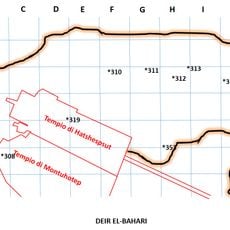
Mortuary temple of Hatshepsut, Ancient mortuary temple in Luxor Governorate, Egypt
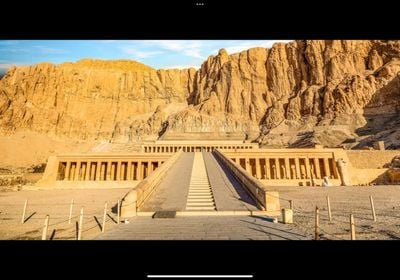
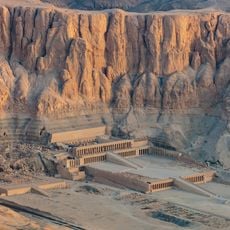
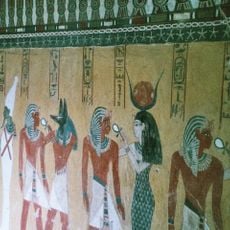
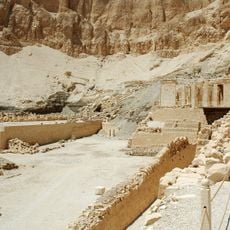
The mortuary temple of Hatshepsut, called Djeser-Djeseru (Holy of Holies), rises in three terraces against the cliffs of Deir el-Bahari, opposite Luxor. It is built almost entirely of limestone, with some red granite and sandstone, and its levels are linked by ramps. The middle terrace porticoes carry reliefs of the expedition to Punt and of Hatshepsut's divine birth, with shrines to Hathor and Anubis at either end.
Queen Hatshepsut commissioned this construction between 1479 and 1458 before the common era and established it as a religious center and monument to her reign. After her death, Thutmose III attempted to remove all references to her regency by having her images and inscriptions damaged throughout the structure.
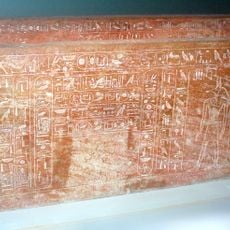
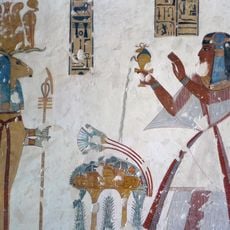
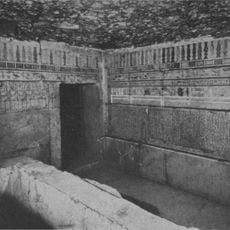
The wall reliefs show ceremonies and an expedition to the Land of Punt undertaken during Hatshepsut's reign. These depictions offer insights into the religious practices and foreign ventures of that era, still visible to visitors today and making court life understandable.
The complex opens daily from sunrise to sunset, and admission allows access to all three levels. The walk follows ramps and stairs, so sturdy shoes and plenty of water are recommended for the ascent.
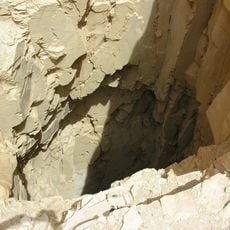
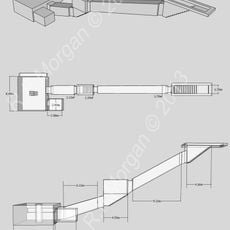
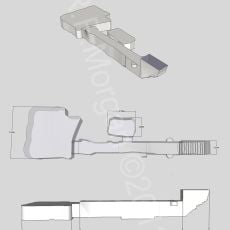
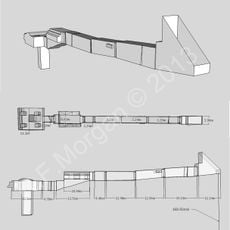
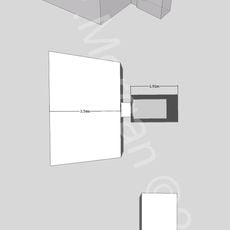
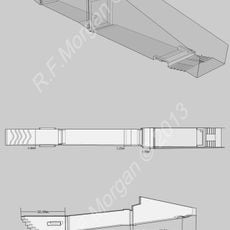
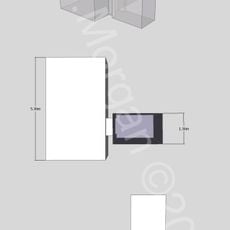
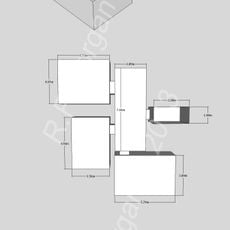
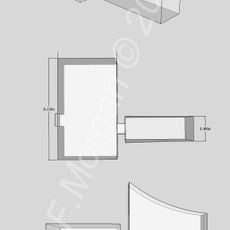
The identity of the architect remains unclear, but the name of Senenmut, Hatshepsut's court official, appears at several points on the temple. His tomb, TT353, runs about 97 m into the mountain beneath the first terrace and ends in a burial chamber 43 m deep.
The community of curious travelers
AroundUs brings together thousands of curated places, local tips, and hidden gems, enriched daily by 93,470 contributors worldwide.