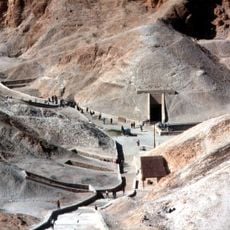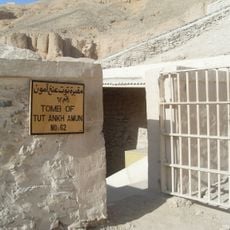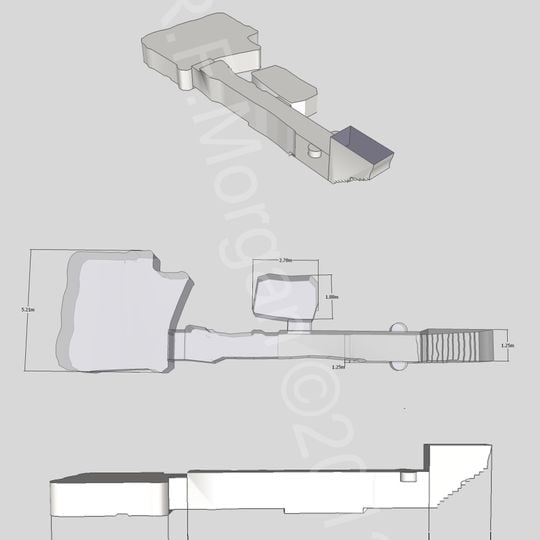
KV60, Ancient Egyptian tomb in Valley of the Kings, Egypt
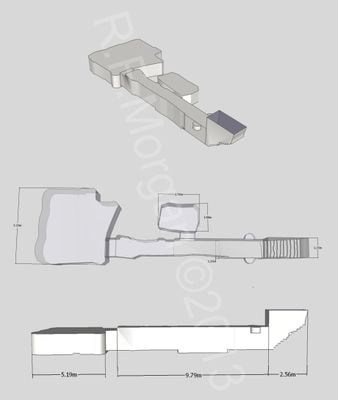
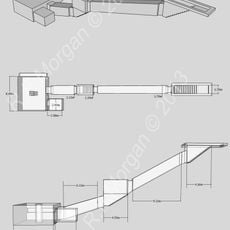
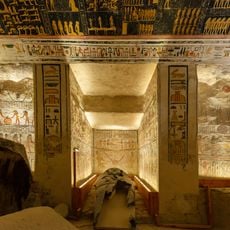
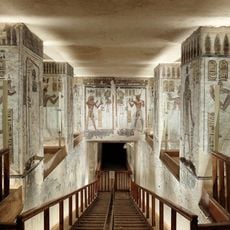
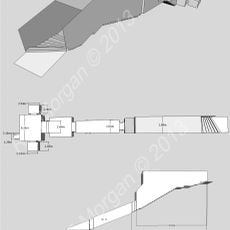
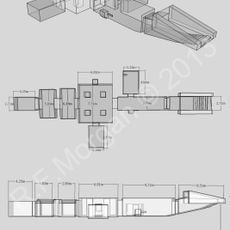
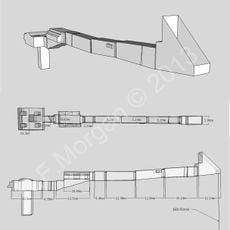
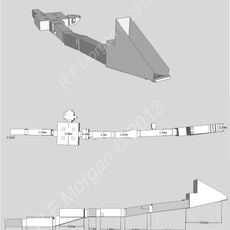
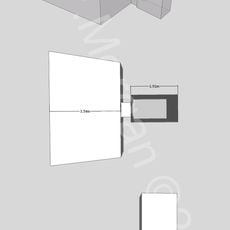
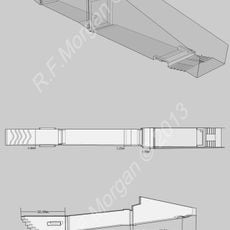
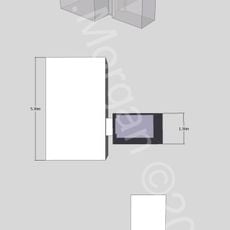
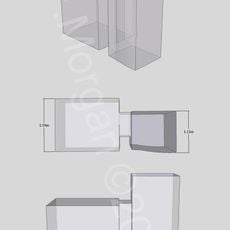
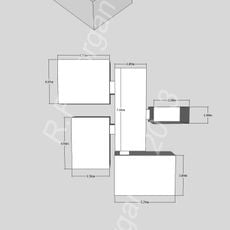
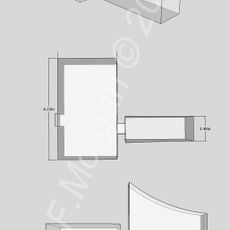
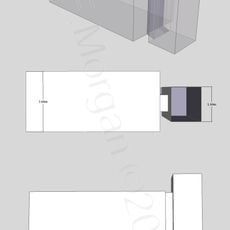
KV60 is a tomb in the Valley of the Kings with three corridors leading to a ritual shaft, continuing through to a rectangular burial chamber with side niches. This layout follows the classic Egyptian burial system designed to protect and organize the passage to the afterlife.
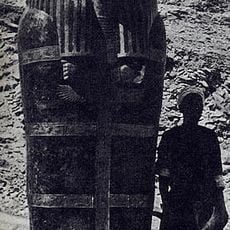
The tomb was discovered in 1903 by Howard Carter and re-examined in 1989 by Donald P. Ryan, who uncovered additional archaeological findings. The second investigation revealed new information that changed understanding of the burial and its occupant.
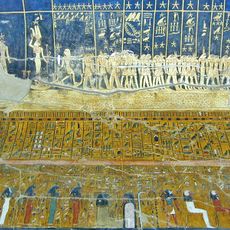
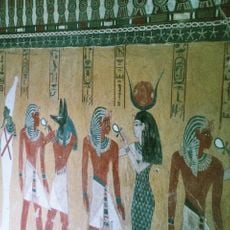
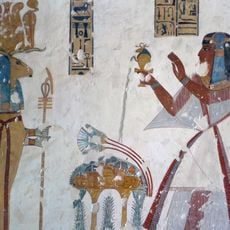
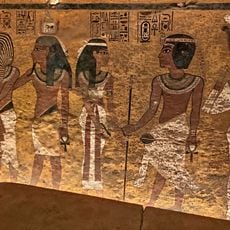
The walls display scenes from sacred texts like the Litany of Ra and the Book of Gates, showing how ancient Egyptians imagined the journey after death. These images reveal the religious ideas that guided people in their daily lives and burial practices.
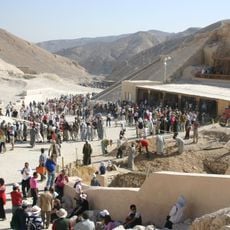
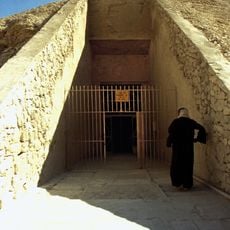
The tomb is accessible through guided Valley of the Kings tours that depart from nearby cities. A flashlight and comfortable clothing are helpful, as the inner passages are narrow and require steady footing.
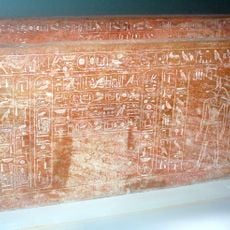
A mummy discovered inside suggests a connection to Hatshepsut, with research indicating possible royal connections. This mystery remains one of the most intriguing aspects of the site.
The community of curious travelers
AroundUs brings together thousands of curated places, local tips, and hidden gems, enriched daily by 91,788 contributors worldwide.