WV23, Royal tomb in Valley of the Kings, Luxor, Egypt.
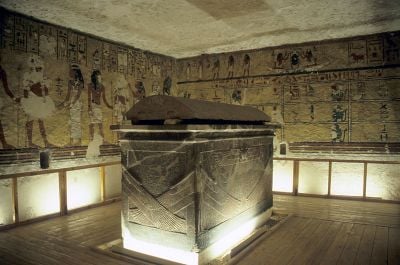
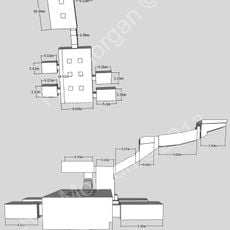
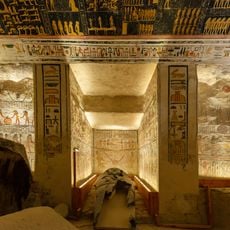
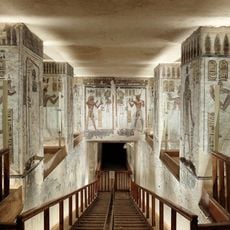
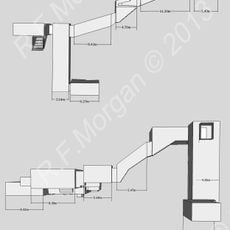
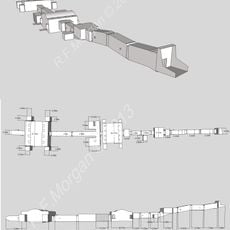
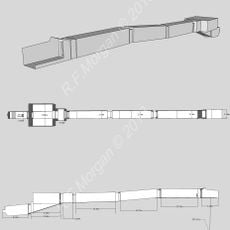
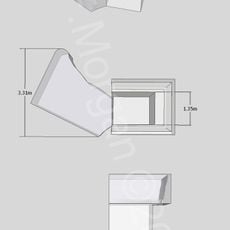
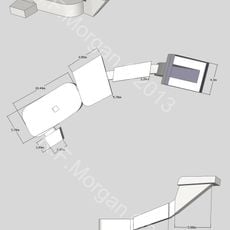
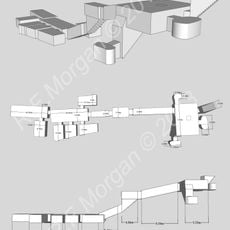
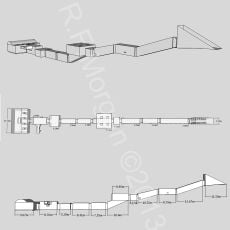
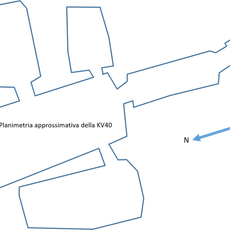
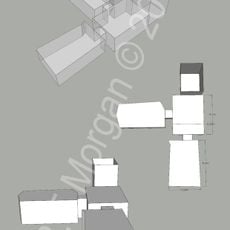
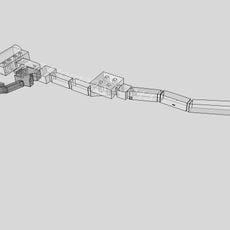
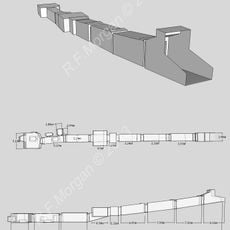
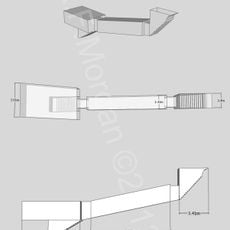
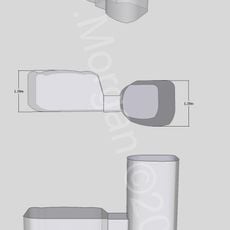
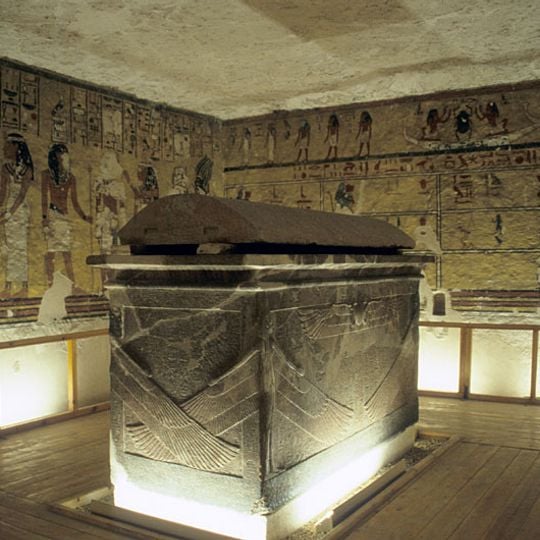
WV23 is a royal tomb in the Valley of the Kings near Luxor, featuring an entrance stairway, two sloping corridors, and three chambers including a burial room with a reconstructed sarcophagus. The layout moves progressively downward, guiding visitors through distinct sections of the burial space.
Giovanni Belzoni discovered the tomb in 1816 buried beneath a pile of stones and cleared the entrance within two hours. The University of Minnesota later conducted thorough documentation of the structure and remaining contents in 1972.
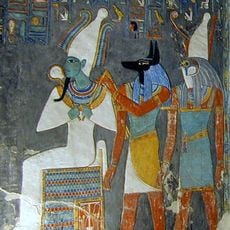
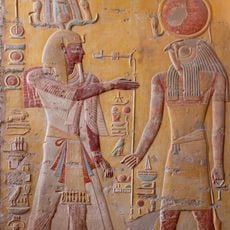
The burial chamber displays scenes of Ay and his wife Tey hunting, while the walls show the four sons of Horus. These images offer insight into the religious beliefs and daily activities valued by the royal family.
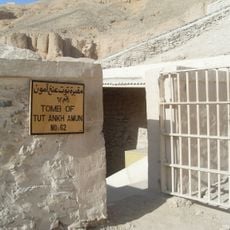
The entrance is accessed via stairs that lead down into sloping corridors toward the interior chambers. Visitors should expect confined spaces and limited natural light, as the underground rooms have minimal illumination from outside.
The tomb's design mirrors the layout of Akhenaten's royal burial site at Amarna, representing a departure from traditional chamber arrangements. This architectural choice makes it a notable example of how royal burial practices evolved during different periods.
The community of curious travelers
AroundUs brings together thousands of curated places, local tips, and hidden gems, enriched daily by 91,644 contributors worldwide.