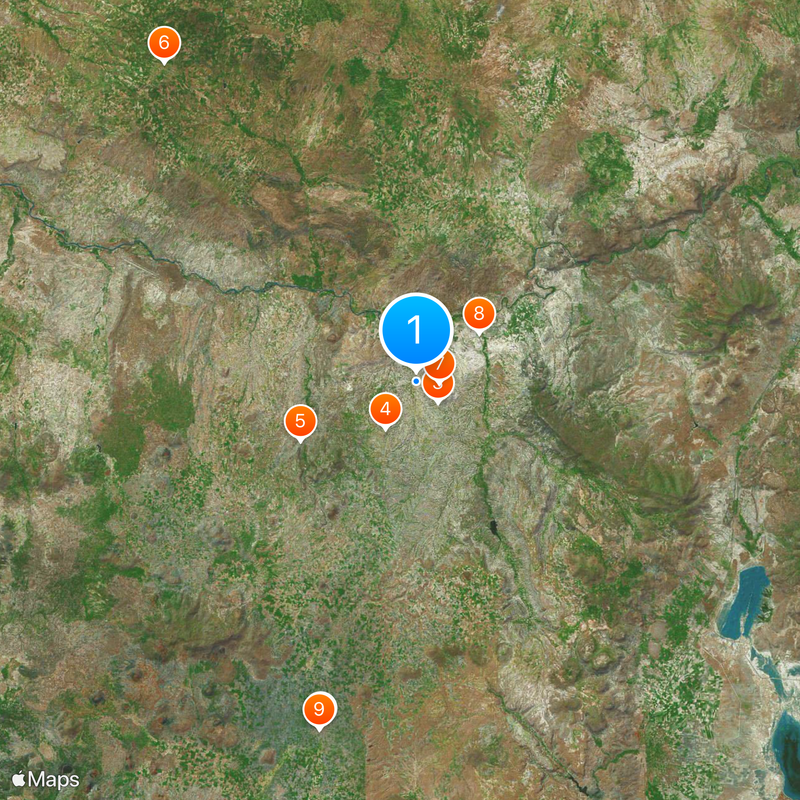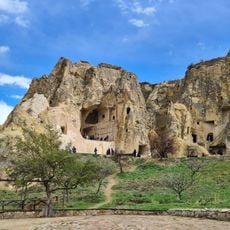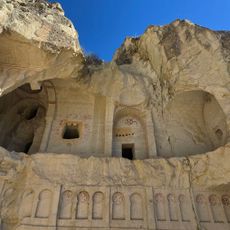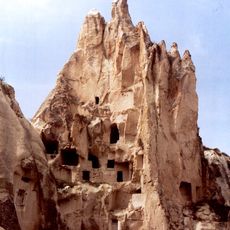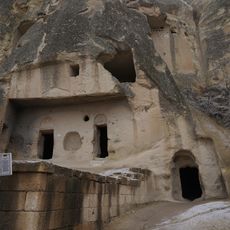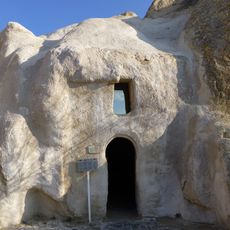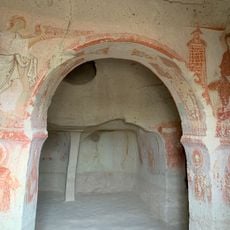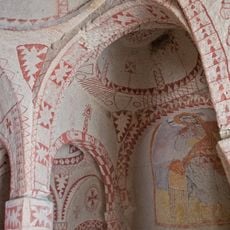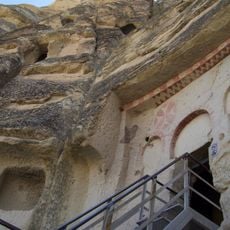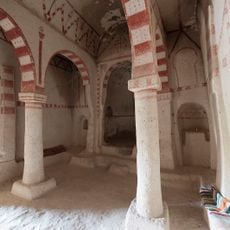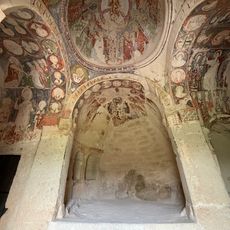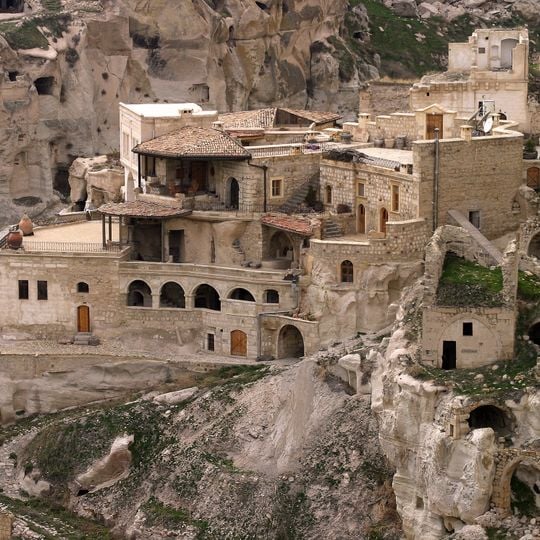
Cappadocia, Cave monastery zone in Central Anatolia, Turkey.
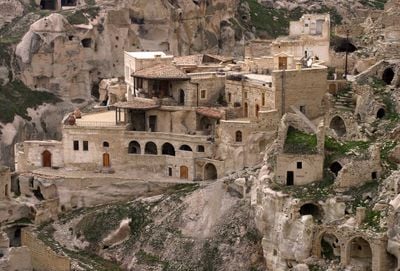
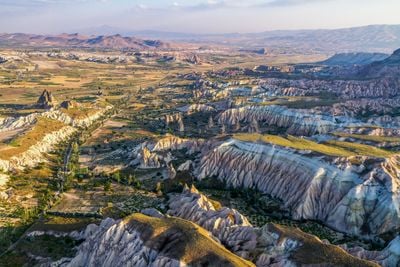
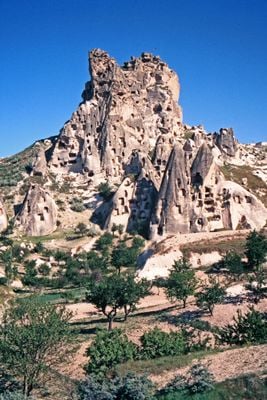
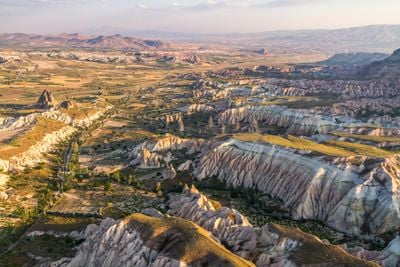
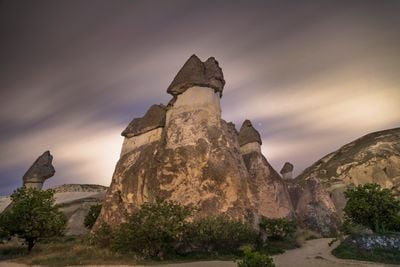
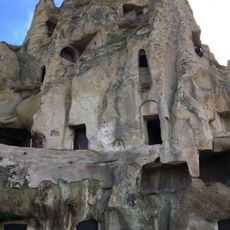
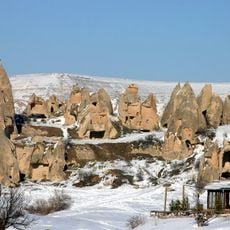
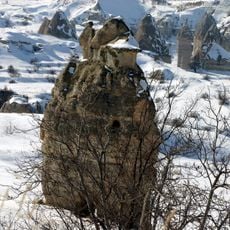
Cappadocia is a wide rock landscape in Central Anatolia that includes hundreds of cone-shaped formations created by volcanic activity and erosion. The soft tuff stone surface has been carved by people over centuries, resulting in caves, churches, and multi-level dwellings that stretch across several valleys.
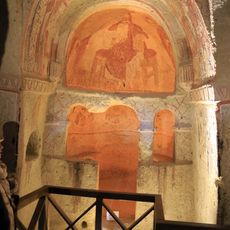
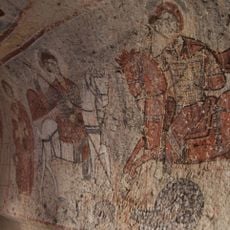
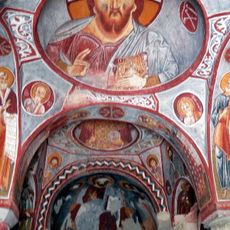
Christian communities retreated here between the 4th and 11th centuries, creating a network of chapels with frescoes depicting biblical scenes. Later, different populations used the underground spaces for protection from invaders, which led to the expansion of existing structures.
Local families still live in cave dwellings in certain valleys, using the natural cooling of the rock in summer and its warmth retention in winter. Craftspeople create pottery using techniques passed down through generations, selling their work in small workshops along the main roads.
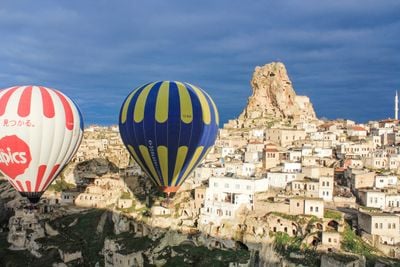
Hot air balloon rides at sunrise offer wide views over the valleys and last about an hour, departing from Göreme. Walking trails connect the main valleys and allow visitors to move between sites on foot, with sturdy shoes recommended due to uneven surfaces.
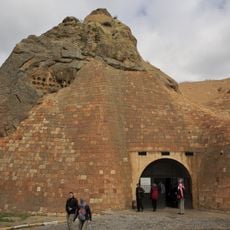
In the village of Uçhisar stands a massive rock cone entirely pierced with windows and tunnels, once used as a fortress. Visitors can climb through these passages and reach the highest point, which offers a panoramic view of the entire area.
The community of curious travelers
AroundUs brings together thousands of curated places, local tips, and hidden gems, enriched daily by 90,737 contributors worldwide.