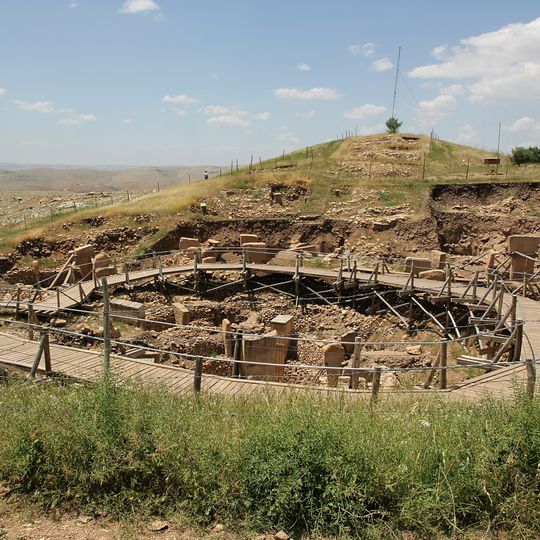
Göbekli Tepe, Neolithic archaeological site in Şanlıurfa Province, Turkey
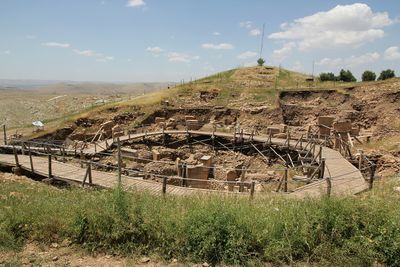
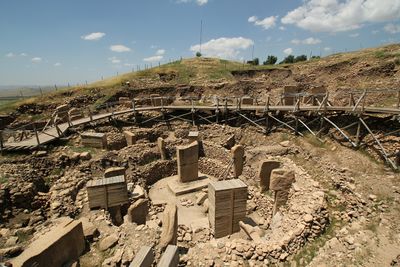
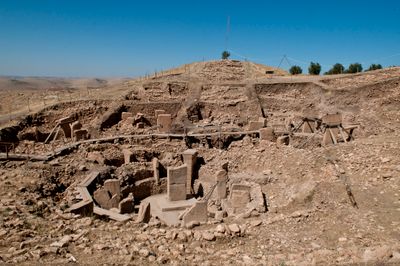
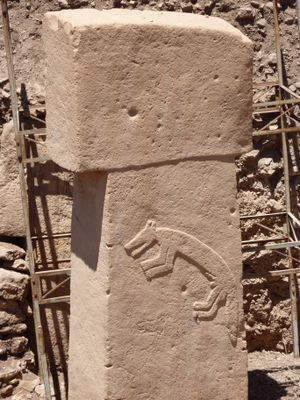
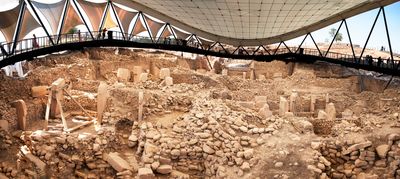
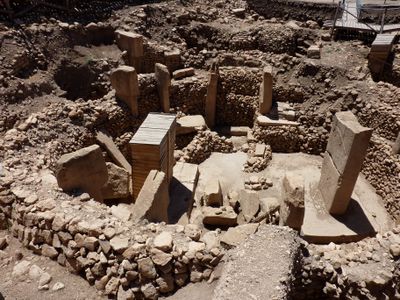
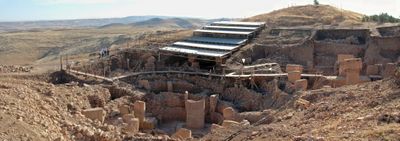
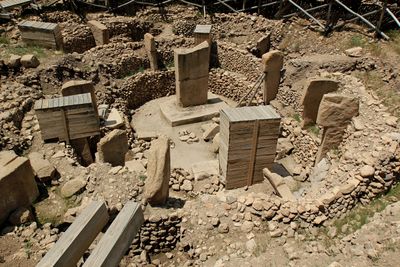
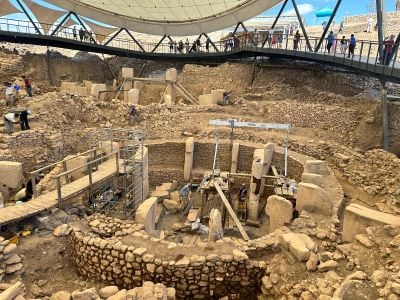
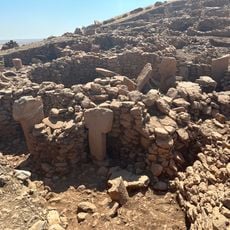
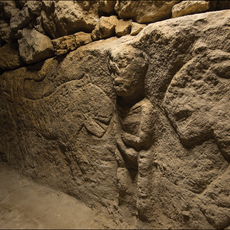
Göbekli Tepe is a Neolithic temple complex in Şanlıurfa Province, Turkey, composed of multiple circular structures with large T-shaped limestone pillars. The pillars reach heights of 20 feet (6 meters) and weigh up to 20 tons (18 metric tons), arranged in concentric rings with two larger monoliths at the center and displaying detailed reliefs of animals and abstract symbols carved into the stone.
German archaeologist Klaus Schmidt began systematic excavations in 1995 and uncovered structures dating to 9600 BCE. The builders intentionally buried the complex around 8000 BCE, preserving it for millennia until modern excavations started.
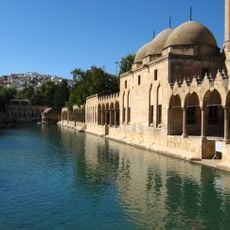
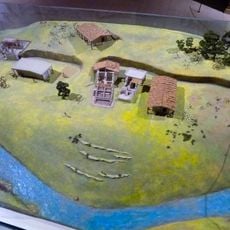
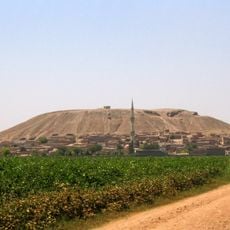
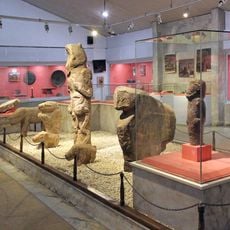
The name means "Potbelly Hill" in Turkish, after the rounded mound. The T-shaped pillars are read as stylised human figures: many bear carved arms, hands and items of clothing, while the broad faces show bulls, wild boars, foxes, snakes, ducks and vultures. Excavated statues and stones are displayed in the Şanlıurfa Archaeology Museum.
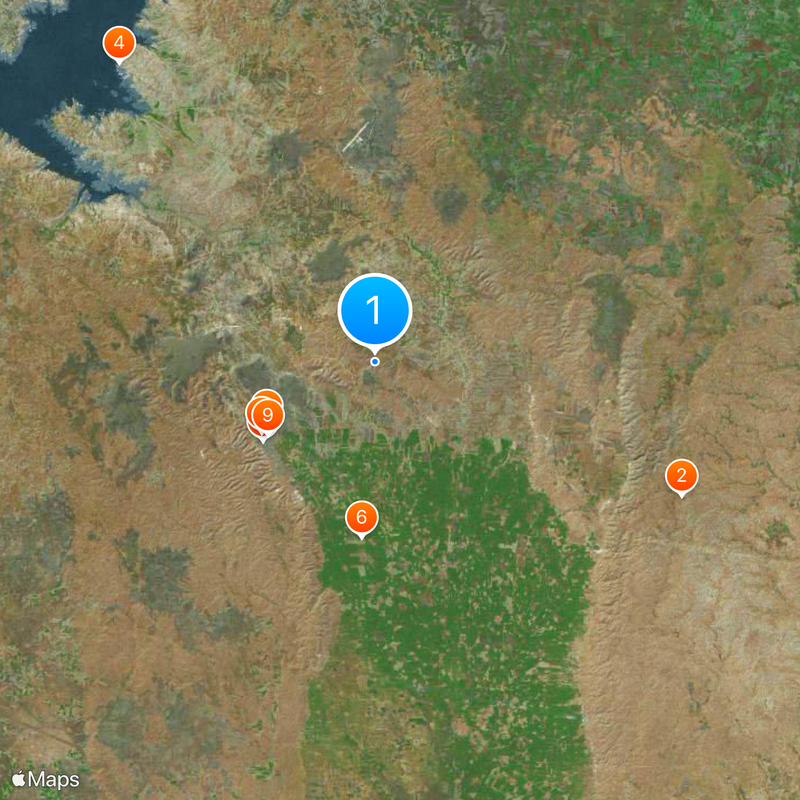
A modern visitor center presents exhibitions on excavation methods and interpretations of findings, with guided tours running daily and early morning hours offering cooler temperatures. Access is through Şanlıurfa, located 11 miles (18 kilometers) southeast, and covered walkways provide shade while sturdy footwear is recommended due to uneven terrain.
Radar surveys show that 95 percent of the area remains unexplored beneath the surface, concealing more circular structures. Some pillars display carved arms and hands, possibly representing human figures, and the quarries lie just 330 feet (100 meters) from the main complex with unfinished pillars still inside.
The community of curious travelers
AroundUs brings together thousands of curated places, local tips, and hidden gems, enriched daily by 92,129 contributors worldwide.