Acropolis of Athens, Ancient citadel and archaeological site in Athens, Greece
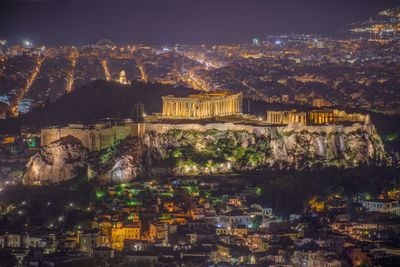
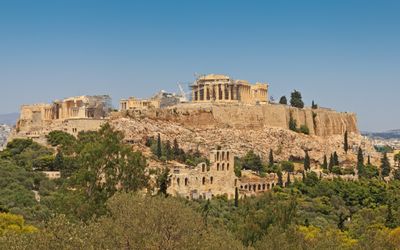
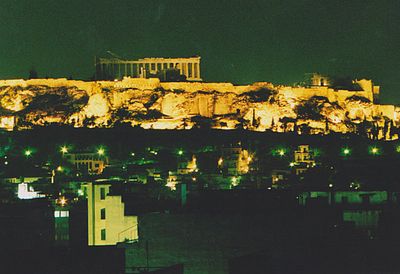
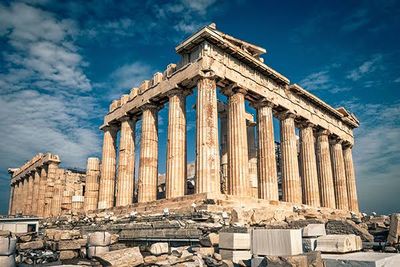
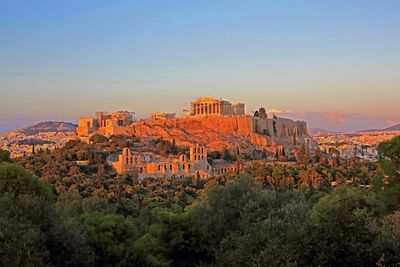
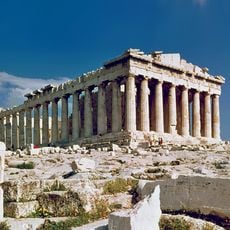
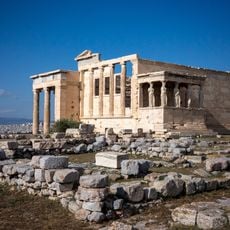
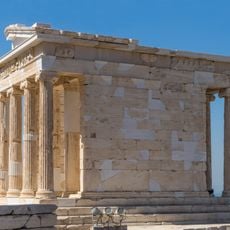
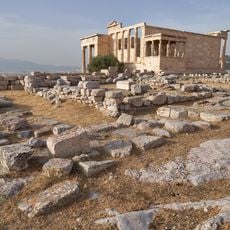
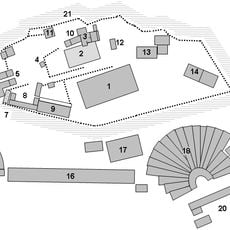
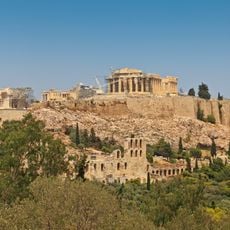
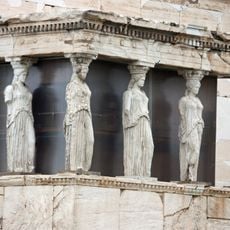
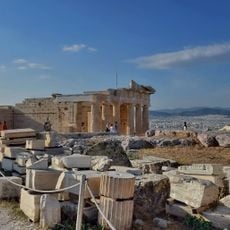
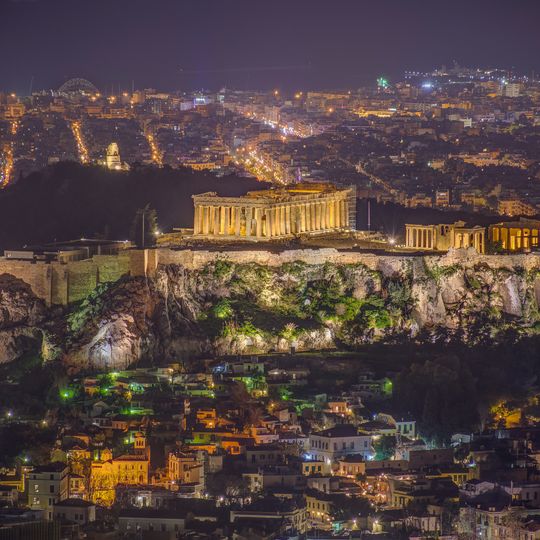
The Acropolis of Athens is an ancient citadel on a limestone plateau rising above the city, where several temple structures built from Pentelic marble stand. The Doric Parthenon occupies the central position, while the Erechtheion with its caryatid porch and the smaller Ionic shrine to Athena Nike sit along the flanks.
After Persian troops destroyed earlier buildings in 480 BCE, Pericles began reconstruction from 447 BCE under architects Iktinos and Kallikrates. Centuries later, Byzantine rule turned the Parthenon into a Christian church before Ottoman conquerors used it as a mosque and ammunition store until Venetian shelling in 1687 destroyed large sections of the structure.
Visitors from every corner of the world gather on this hill to stand where the foundations of Western thought and art were shaped centuries ago. Greek families arrive on weekends to walk among the columns with their children, pointing out the stones and explaining how this place defines their sense of who they are.
The grounds open daily in the morning and close later in summer than in winter, with the first hour after opening usually being quieter. An elevator on the southern flank brings wheelchair users to the upper level, while most visitors climb the paved paths that can become slippery and tiring in heat.
The architects built slight curves into the columns and steps so they would appear straight to the human eye and compensate for atmospheric distortion. No column stands truly vertical but tilts minimally inward, while the apparently level base rises gently along its length to avoid the optical illusion of sagging in the middle.
Location: Athens Municipality
Inception: 5 century BCE
Accessibility: Wheelchair accessible
Address: Athens 105 58, Greece
Opening Hours: Monday-Sunday 08:00-20:00
Phone: +302103214172
Website: http://odysseus.culture.gr/h/3/gh351.jsp?obj_id=2384
GPS coordinates: 37.97167,23.72611
Latest update: December 2, 2025 21:55
These archaeological sites document the development of human civilizations across thousands of years. They range from the earliest known temple structures like Göbekli Tepe in Turkey, dated to around 9500 BCE, to the preserved remains of Pompeii, frozen in time by a volcanic eruption in 79 CE. Each location offers insights into the technical abilities, religious beliefs, and social structures of past cultures. The collection includes monuments such as the Great Pyramid of Giza in Egypt, standing for over 4,500 years, and Machu Picchu in the Peruvian Andes, a 15th-century Inca stronghold at 7,970 feet (2,430 meters). In China, the Terracotta Army guards the tomb of the first emperor with thousands of life-size soldiers, while Angkor Wat in Cambodia represents the largest religious complex in the world. European sites like Stonehenge in England and the Acropolis in Athens demonstrate prehistoric engineering and classical Greek architecture. These places connect visitors to the societies that built them centuries or millennia ago.
Athens offers numerous locations for photography that range from ancient structures to modern urban spaces. The Acropolis and the Temple of Olympian Zeus rank among the city's most significant archaeological sites, while neighborhoods like Plaka and Anafiotika provide narrow streets and traditional architecture that contrast with the modern metropolis. Lycabettus Hill and Areopagus Hill offer elevated viewpoints over the city and its ancient ruins. Markets like Varvakios, squares such as Monastiraki and Syntagma, and museums including the National Archaeological Museum and the Benaki Museum document different aspects of Greek history and culture. The Panathenaic Stadium and Zappeion Hall showcase neoclassical architecture from the 19th century, while the Stavros Niarchos Foundation Cultural Center represents contemporary design. These locations provide different perspectives on a city whose history spans more than 3,000 years.
In 2007, the New Seven Wonders Foundation, led by Swiss businessman Bernard Weber in cooperation with the marketing company Deureka, organized a global vote, the results of which were announced on July 7 in Lisbon. This project, which was especially successful in India and China, enabled the designation of seven monuments representing different civilizations and eras, from antiquity to the 20th century. UNESCO stated in a release that it was not involved in this event, contrary to what many voters believed. The final selection includes sites across all continents: the Great Wall of China, a fortification system built over several centuries; Petra in Jordan, a Nabataean city from the 4th century BC carved into rose-colored rock; the Colosseum in Rome, a 1st-century amphitheater capable of holding 50,000 spectators; Chichen Itza in Mexico, a Maya site demonstrating the astronomical knowledge of this civilization; Machu Picchu in Peru, an Inca city from the 15th century located at 2,430 meters above sea level; the Taj Mahal in India, a white marble mausoleum built between 1631 and 1643; and the Christ Rédempteur statue in Rio de Janeiro, a 38-meter-tall monument inaugurated in 1931. The Khufu pyramid, the only remaining ancient wonder still standing, was removed from the voting list and designated an honorary wonder. The 21 candidate sites were selected by a commission of architects from five continents, chaired by Federico Mayor, former UNESCO Director-General. The criteria included aesthetics, architectural achievement, and historical significance. Each monument had to be constructed by humans, completed before 2000, and in acceptable preservation condition. This collection lists all monuments and allows users to view their locations and photos via individual records.
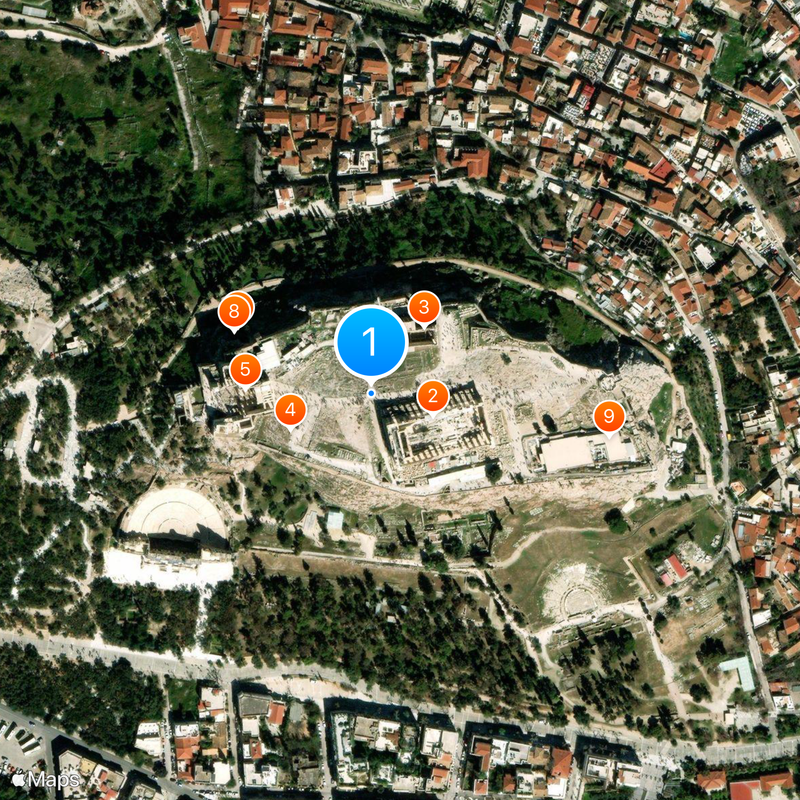
Parthenon
46 m
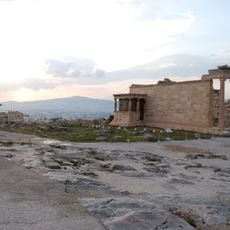
Erechtheion
59 m
Temple of Athena Nike
61 m
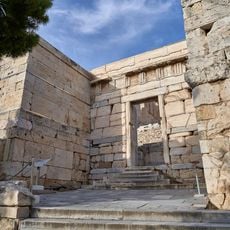
Propylaea of Athens
88 m
Stoa of Eumenes
124 m
Old Acropolis Museum
182 m
Asclepieion of Athens
116 m
Athens Klepsydra well
104 m
Pandroseion
31 m
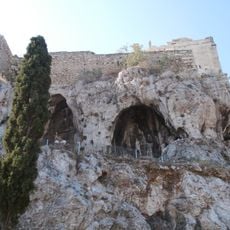
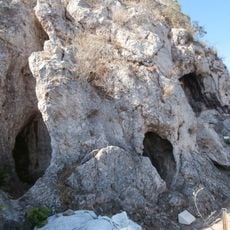
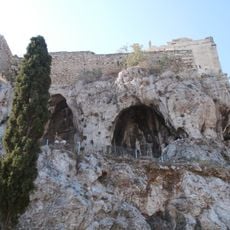
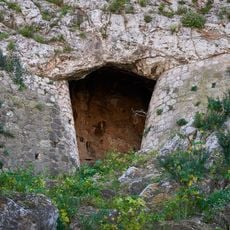
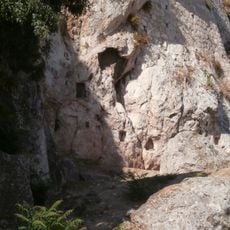
Caves of Apollo, Zeus and Pan
104 m
Sanctuary of Pandion
168 m
Choragic Monument of Thrasyllos
147 m
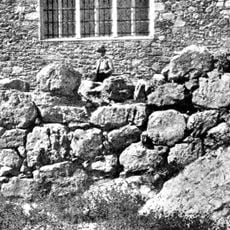
Pelasgic wall
79 m
Altar of Athena Polias
66 m
Virgin Mary Athiniotissa
34 m
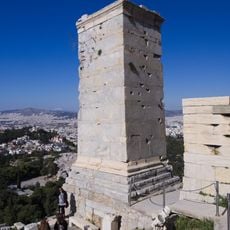
Monument of Agrippa
112 m
Athens University History Museum
179 m
Paul and Alexandra Canellopoulos Museum
134 m
Church of the Transfiguration (Athens)
143 m
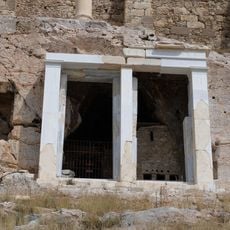
Beulé Gate
132 m
Caryatids of Erechtheum
53 m
Aphrodite and Eros shrine
103 m
Cave of Zeus
115 m
Cave of Pan
115 m
Cave of Apollon Ipakrion
115 m
Cave of Mycenaean Fountain
78 m
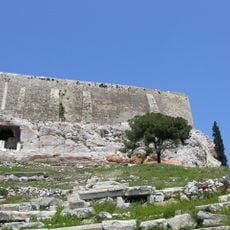
Acropolis north slope
89 m
Acropolis South Slope
90 mReviews
Visited this place? Tap the stars to rate it and share your experience / photos with the community! Try now! You can cancel it anytime.
Discover hidden gems everywhere you go!
From secret cafés to breathtaking viewpoints, skip the crowded tourist spots and find places that match your style. Our app makes it easy with voice search, smart filtering, route optimization, and insider tips from travelers worldwide. Download now for the complete mobile experience.
A unique approach to discovering new places❞
— Le Figaro
All the places worth exploring❞
— France Info
A tailor-made excursion in just a few clicks❞
— 20 Minutes