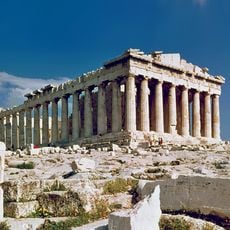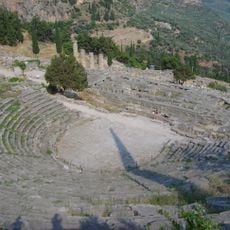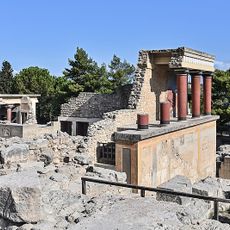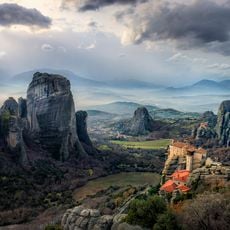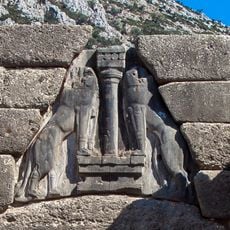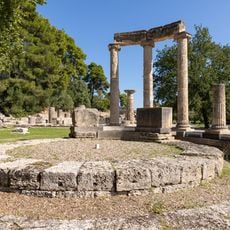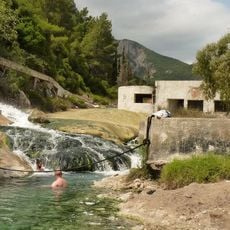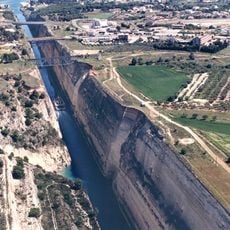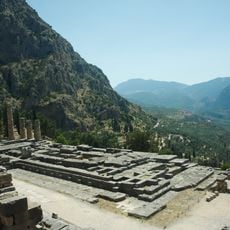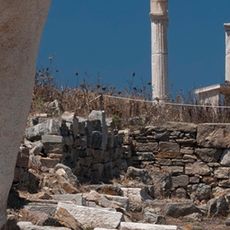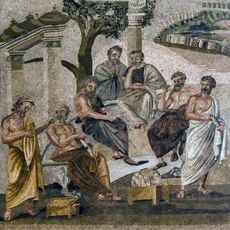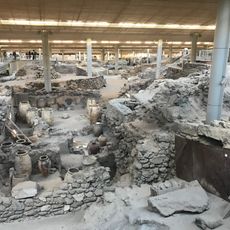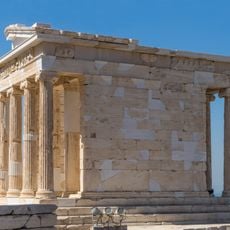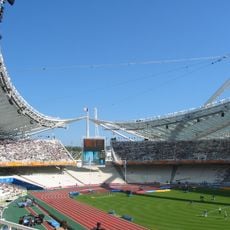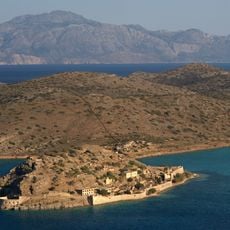
Greece, Mediterranean country in Southeast Europe.
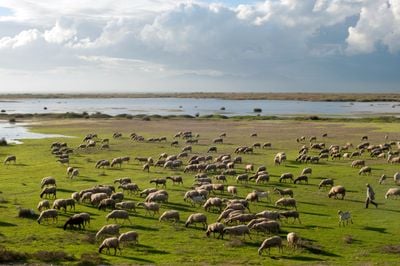
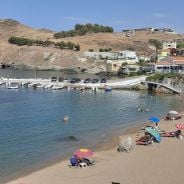
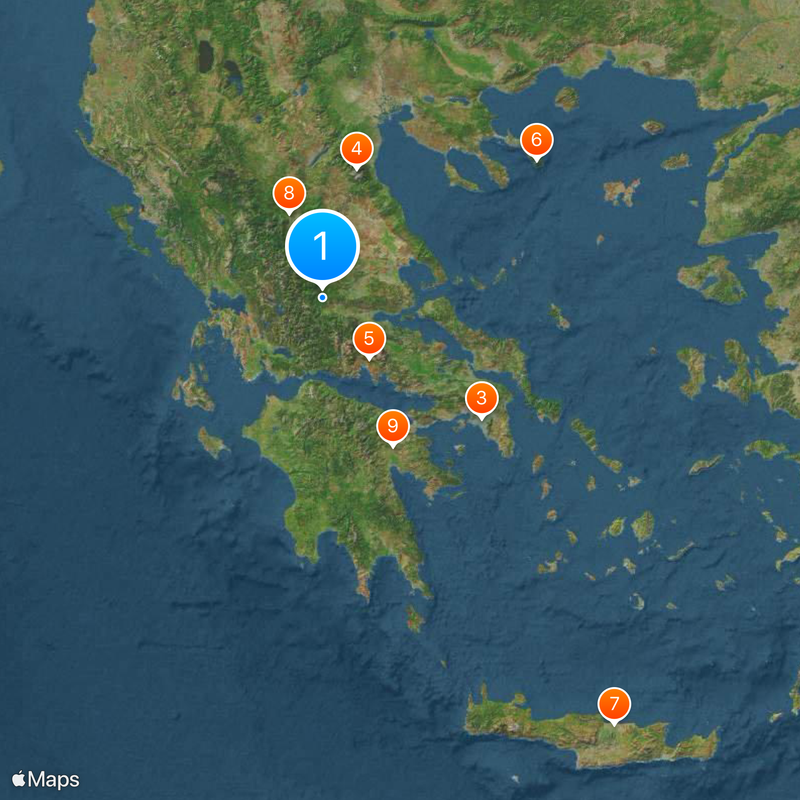
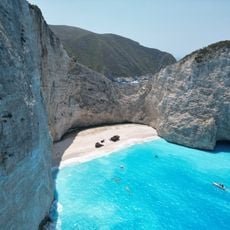
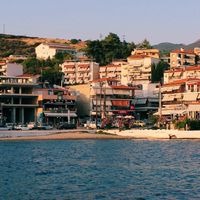
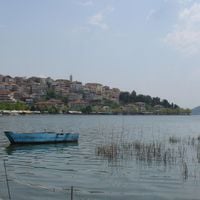
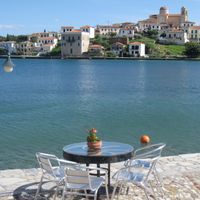
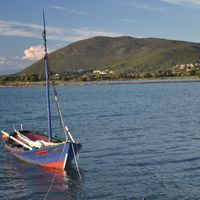
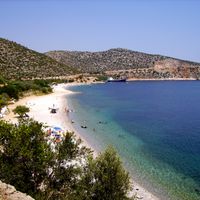
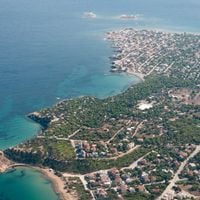
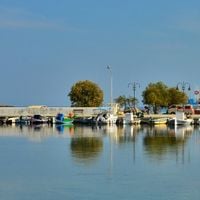
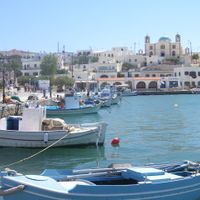
This Mediterranean nation consists of a peninsula in the southern Balkans and more than 2000 islands scattered across the Aegean and Ionian seas. Mountains and hills cover most of the mainland, while the coastline includes bays, small harbors, and sandy beaches.
The region gained independence in the early 19th century after a long uprising against the Ottoman Empire. The modern nation formed over the following decades through territorial expansions and political upheavals.
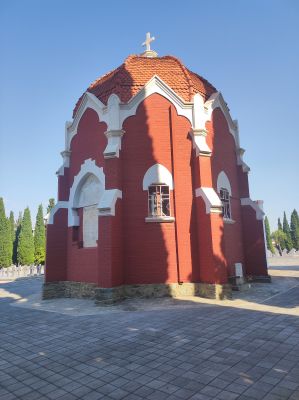
The local language uses its own 24-letter alphabet, visible everywhere in daily life from road signs to restaurant menus. Religious holidays like Easter follow the Orthodox calendar, so processions and services often take place on different dates than in Western Europe.
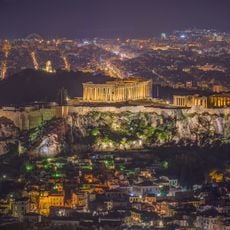
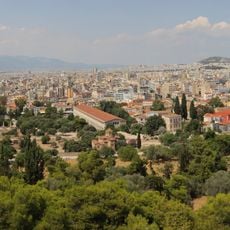
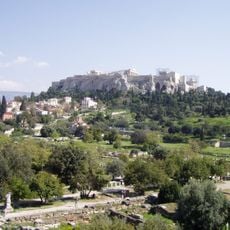
The capital Athens sits in the south of the mainland and serves as a starting point for trips to the islands and other regions. The euro has been the currency since the early 2000s, and English is commonly spoken in tourist areas.
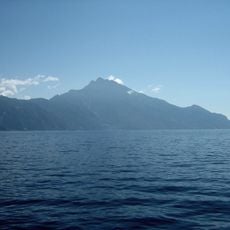
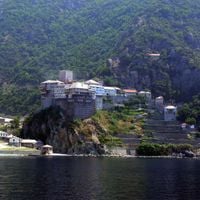
The Athos peninsula in the north houses an autonomous monastic republic that grants access only to male visitors with special permits. The region has preserved its own governance for over a thousand years and does not allow female entry, not even for animals.
The community of curious travelers
AroundUs brings together thousands of curated places, local tips, and hidden gems, enriched daily by 90,751 contributors worldwide.