Corinth Canal, Maritime waterway in Isthmus of Corinth, Greece
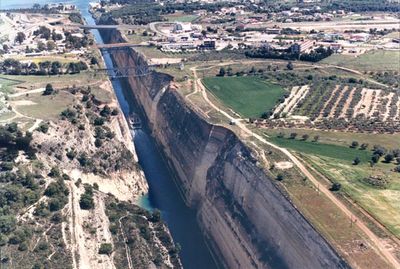
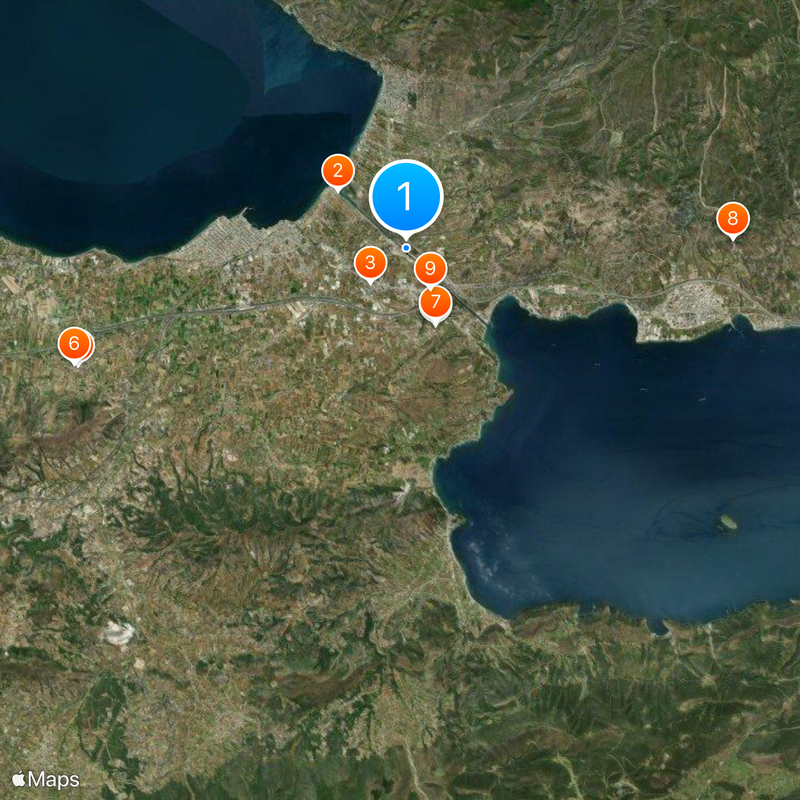
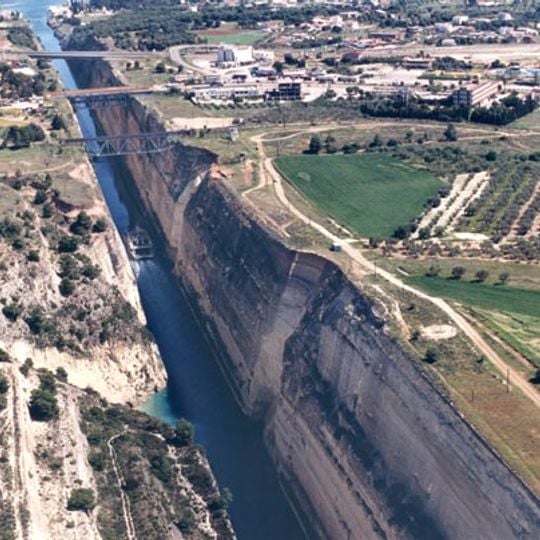
The Corinth Canal is a man-made waterway in the Isthmus of Corinth in Greece that stretches for 6,343 meters and connects the Gulf of Corinth with the Saronic Gulf. Vertical limestone walls rise on both sides of the canal, forming a narrow passage for ships traveling between the Ionian Sea and the Aegean.
In 67 AD, Emperor Nero started construction with thousands of workers, but the effort was abandoned after his death. French engineers resumed the project in 1881 and completed the work in 1893, after removing more than 12 million cubic meters of rock.
The canal represents a significant engineering achievement that transformed maritime navigation, eliminating the 400-kilometer journey around the Peloponnese Peninsula.
Viewing platforms at both ends of the canal allow visitors to watch ships passing through and see the depth of the rock walls. The canal is open for ship traffic during daylight hours, with passage depending on vessel size and weather conditions.
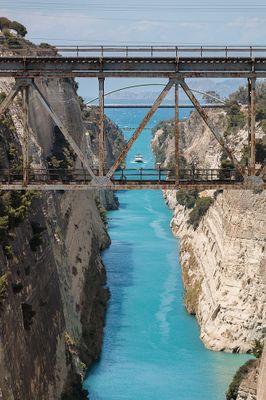
An ancient sunken pillar from the time of Nero still lies at the bottom of the canal, marking the first attempt to cut through the isthmus. Bungee jumpers now use the bridges over the canal to leap into the depth between the rock walls.
The community of curious travelers
AroundUs brings together thousands of curated places, local tips, and hidden gems, enriched daily by 90,824 contributors worldwide.