Hexamilion wall, Byzantine defensive wall at Isthmus of Corinth, Greece
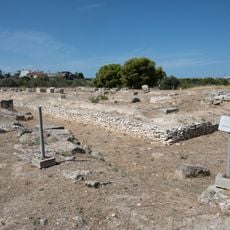
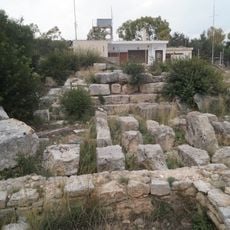
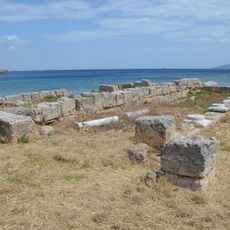
The Hexamilion is a Byzantine defensive structure that extends across roughly 7 kilometers between the Gulf of Corinth and the Saronic Gulf, punctuated by approximately 153 towers positioned at intervals along its length. The wall follows the natural landscape of the Isthmus, creating a continuous fortification line with regularly spaced bastions for defensive coverage.
Construction of the wall took place between 408 and 450 CE during the reign of Emperor Theodosius II, built as a defense against invasions from the north. It represents a response by the late Roman and early Byzantine leadership to mounting security threats in this strategic region.
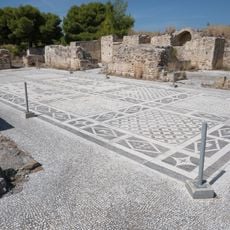
The wall stands as a reminder of how communities repurposed older buildings during times of hardship, incorporating stone from sanctuaries and civic structures into its fortifications. This reflects the practical mindset of people facing external threats and needing to act quickly with available resources.
The site is accessible by way of the old national road heading toward Corinth, located about two kilometers beyond the Isthmus entrance. Visitors should expect open terrain and sections of preserved wall where you can walk along the fortification line to get a sense of its scope.
A garrison of several hundred soldiers was stationed at Isthmia during the fifth century, and these troops did more than guard the wall—they were active throughout the region. Their presence allowed local farmers and merchants to work with reduced fear of sudden raids, making settlement and commerce possible behind this defensive line.
The community of curious travelers
AroundUs brings together thousands of curated places, local tips, and hidden gems, enriched daily by 91,257 contributors worldwide.