Mycenae, Archaeological site in Mykines, Argolis, Greece
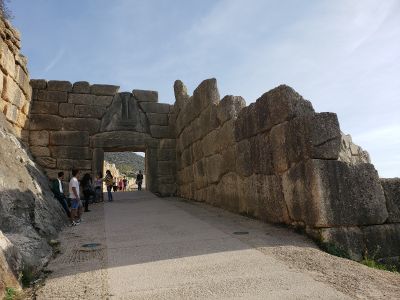
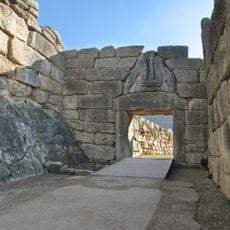
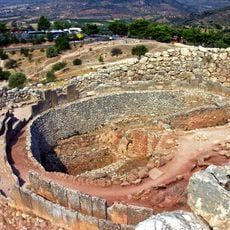
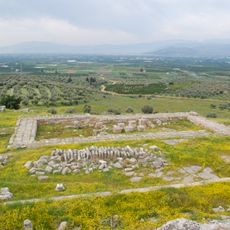
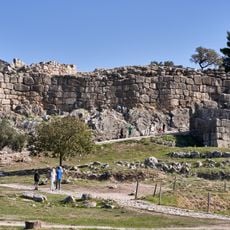
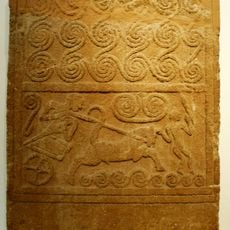
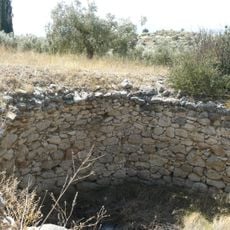
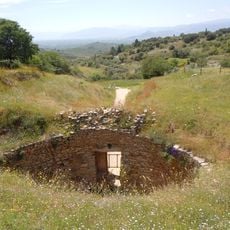
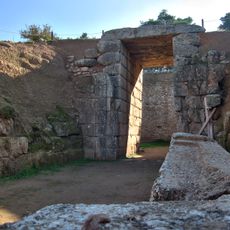
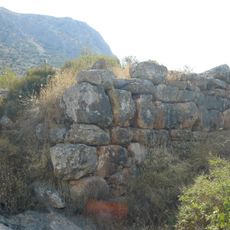
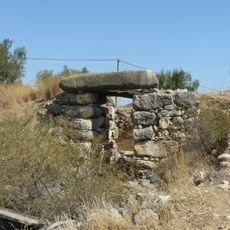
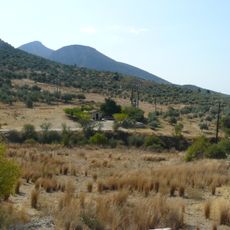
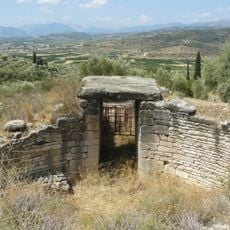
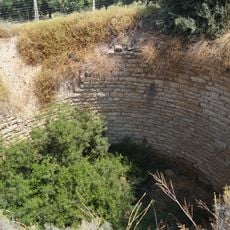
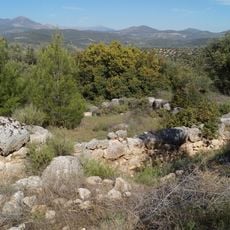
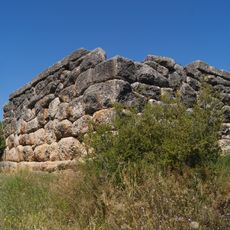
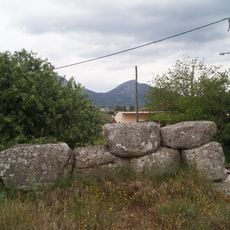
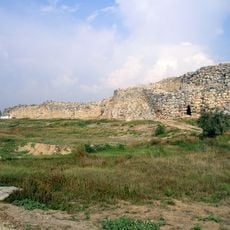
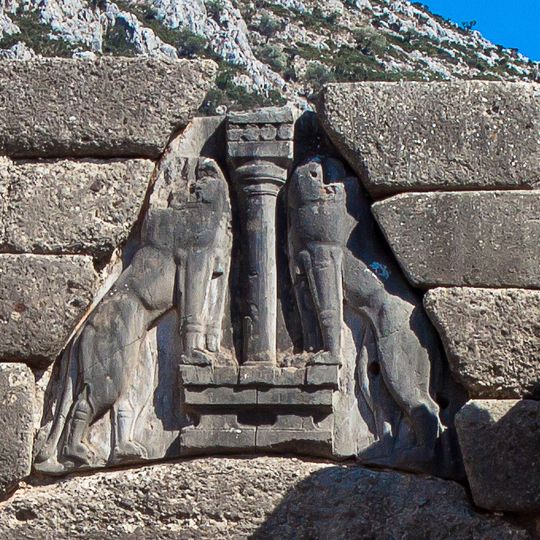
This Bronze Age fortress sits on a hilltop in the Argos-Mykines Municipality of Greece, with ruins spread across several terraces. The site includes massive stone walls made of rough blocks, the Lion Gate as the main entrance, remains of palaces and residential buildings, and several burial chambers outside the fortification.
The site was already settled in the Neolithic period, but it reached its greatest importance between the 15th and 12th centuries BCE, when it grew into a powerful center. The fortress and tombs were expanded over several generations, until the place was abandoned near the end of the Bronze Age.
The name comes from a Bronze Age culture that archaeologists named after this site, whose influence spread across the Aegean. Visitors today see the massive stone walls and the famous gate with lions, showing how rulers expressed their power.
The site sits on a hill and requires some walking on uneven ground, so sturdy shoes and water are recommended. Morning hours or late afternoon are more comfortable, as there is little shade and the sun can be intense during summer.
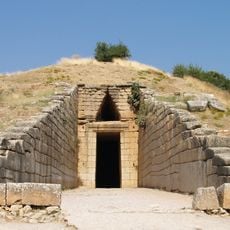
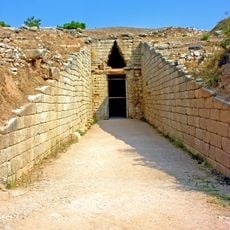
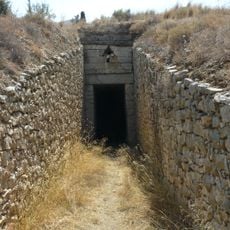
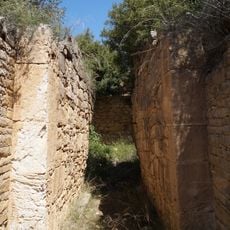
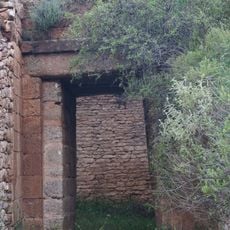
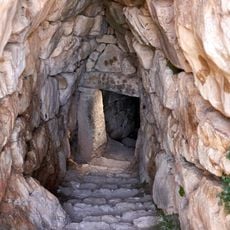
The Treasury of Atreus, a tholos tomb outside the citadel walls, has a corbelled dome about 14.5 metres across and 13.5 metres high, built from dressed stone blocks without mortar. A 36-metre passage leads to the doorway, whose lintel is a single block estimated at over 100 tonnes.
The community of curious travelers
AroundUs brings together thousands of curated places, local tips, and hidden gems, enriched daily by 92,189 contributors worldwide.