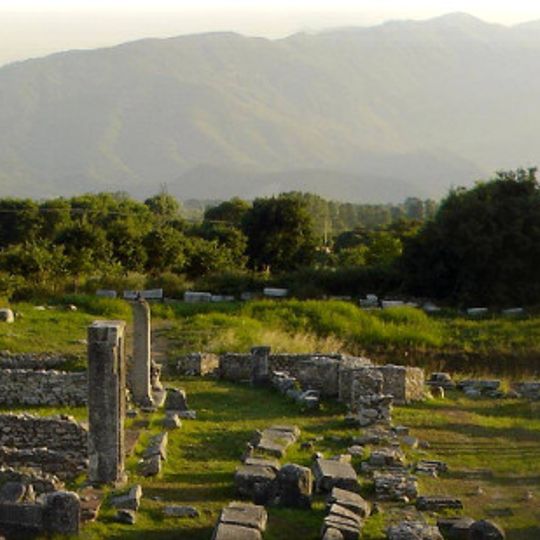
Philippi, Archaeological site in Krinides, Greece
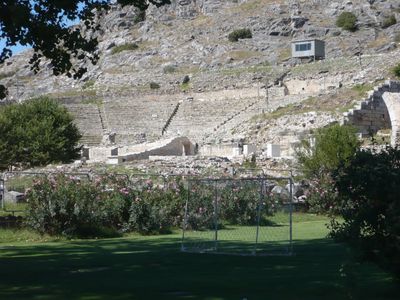
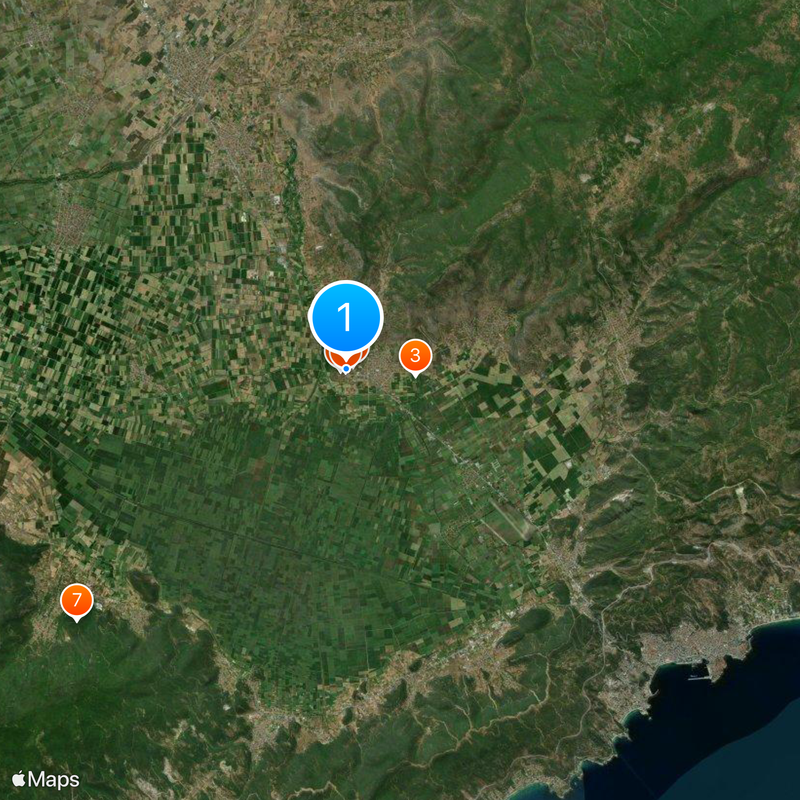
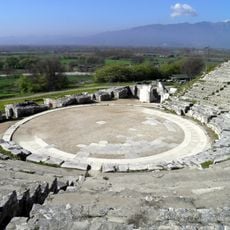
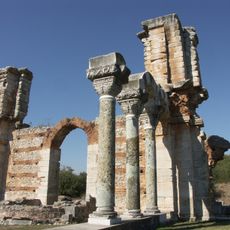
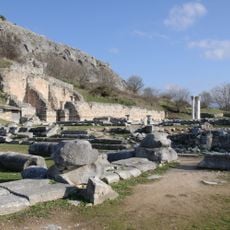
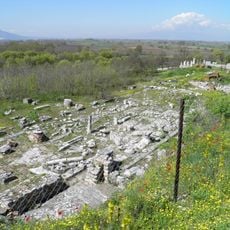
Philippi is an excavated ancient city in Kavala Municipality near Mount Pangaion, where remains of public buildings, temples, and fortifications lie scattered across open ground. The foundations show structures from different periods, including a theater overlooking the plain and several basilicas with surviving column fragments and floor mosaics.
The settlement began around 360 BC as a Macedonian military colony securing gold mines and trade routes in the northeast. Later it grew into an important station along the Via Egnatia under Roman rule.
The name refers to Philip II of Macedon, who founded a strategic settlement here. Visitors notice that the ruins later became an early center for Christian gatherings mentioned in New Testament writings.
The grounds are extensive and require sturdy footwear, especially in areas with uneven ground and stone pavement. Visitors should allow time to walk between different zones and explore the foundations and structural remains.
A preserved section of the Via Egnatia runs through the site and shows the original paving stones of the ancient road connecting Rome to Constantinople. Visitors can walk on the same stones used by traders, soldiers, and travelers over centuries.
The community of curious travelers
AroundUs brings together thousands of curated places, local tips, and hidden gems, enriched daily by 90,805 contributors worldwide.