Ancient Agora of Athens, Archaeological site in Monastiraki, Greece
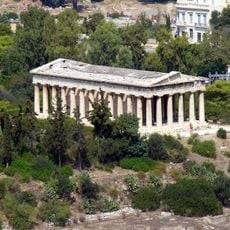
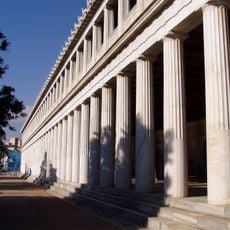
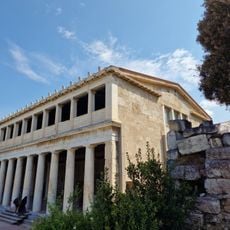
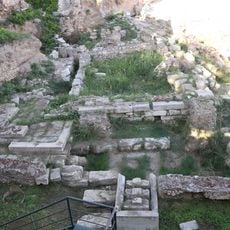
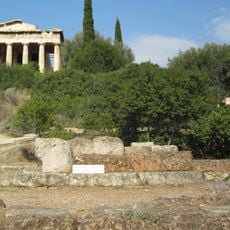
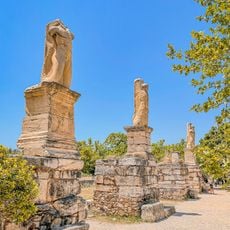
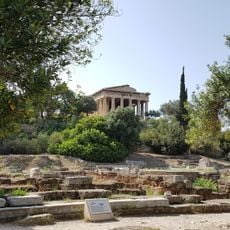
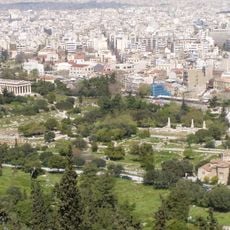
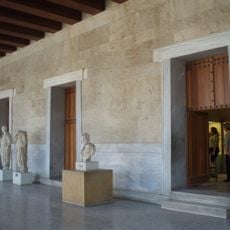
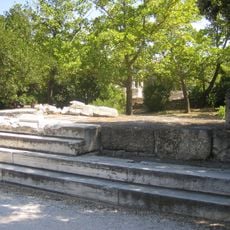
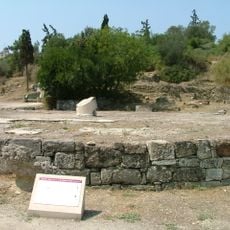
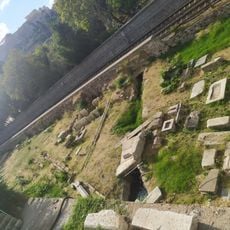
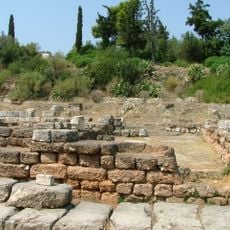
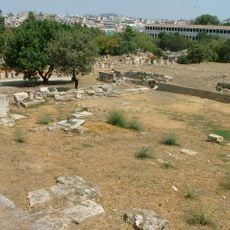
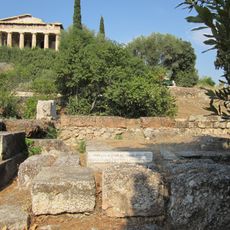
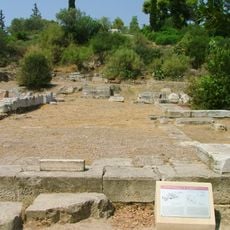
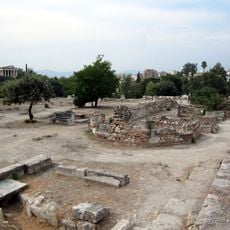
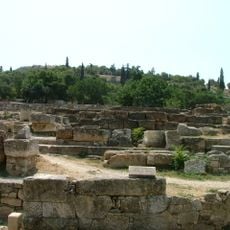
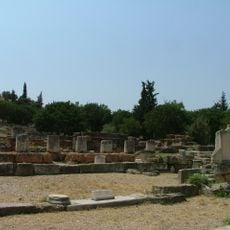
The Ancient Agora of Athens is an archaeological area northwest of the Acropolis, bounded by the Areopagus hill to the south and Agoraios Kolonos to the west. Its uneven ground holds low foundations of public buildings, a few upright stone slabs, and a single white marble column on a square base. Gravel paths cross the grass, and the reconstructed Stoa of Attalos, a two-storey colonnade with a red tiled roof, stands at the east side.
In the 6th century before Christ, Athenians began tearing down houses and creating a central square for political meetings and commerce. Over centuries, new buildings were added until Roman conquerors and later peoples changed how the space was used.
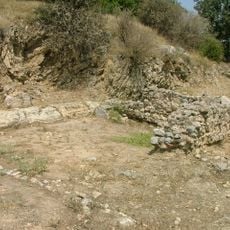
The name comes from the Greek word for gathering place, where citizens met and merchants offered their goods. Today visitors see foundations of workshops and public buildings that show how Athenians organized their daily life between trade and discussion.
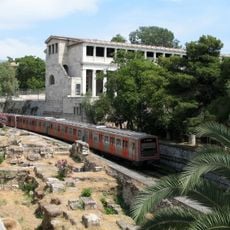
The site opens daily, with longer hours in summer than in winter, and access is through nearby metro stations. Mornings see fewer visitors, and shade under trees offers relief on warm days.
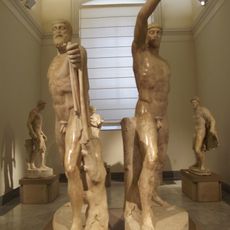
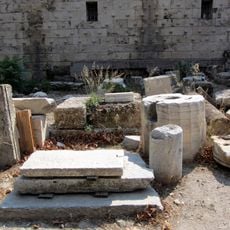
Excavations in the Agora uncovered workshops where marble-workers cut statues, weights, sundials and even kitchen utensils; unfinished pieces and reliefs were found in place. The earliest workshops date to the early 5th century BC, and after Sulla sacked Athens in 86 BC craftsmen moved into the ruined South Square, where the Library of Pantainos rented them rooms.
The community of curious travelers
AroundUs brings together thousands of curated places, local tips, and hidden gems, enriched daily by 93,509 contributors worldwide.