Temple of Apollo Patroos, Ancient Greek temple ruins in Ancient Agora, Greece
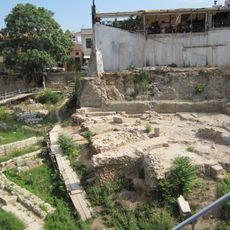
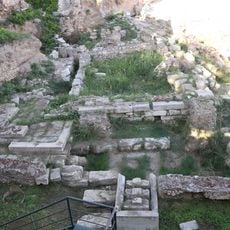
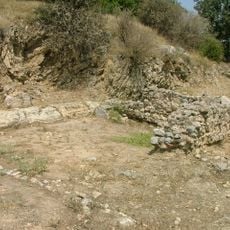
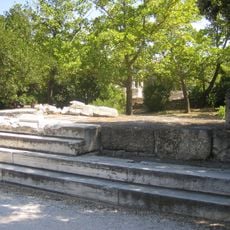
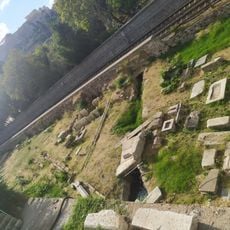
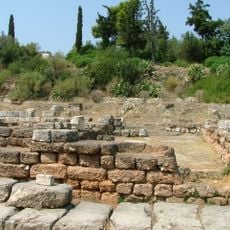
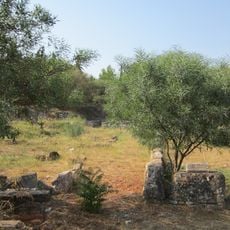
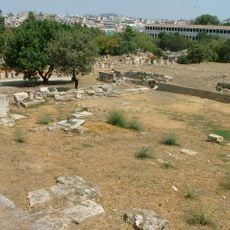
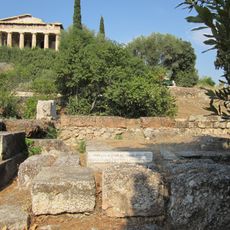
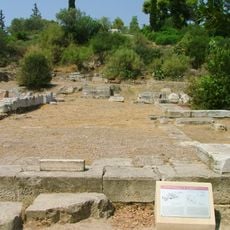
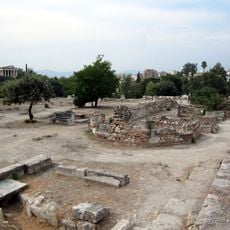
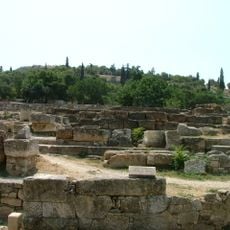
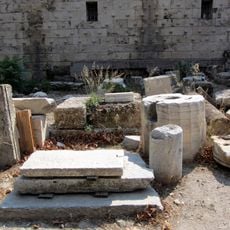
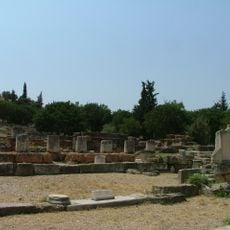
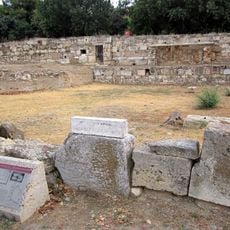
The Temple of Apollo Patroos is an ancient Greek temple ruin located in Athens's Ancient Agora. The remains reveal the stone foundations and column bases of an Ionic structure, with fragments of the original marble statue preserved in the Agora Museum.
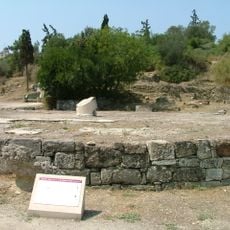
The first temple on the site was an apsidal structure built around the mid-sixth century BC and destroyed in the Persian sack of 480/79 BC. The area stayed sacred to Apollo, marked by a fifth-century boundary stone inscribed "boundary stone of Apollo Patroos". The present hexastyle Ionic temple was built around 306-300 BC, after 313 BC, on an unusual L-shaped plan.
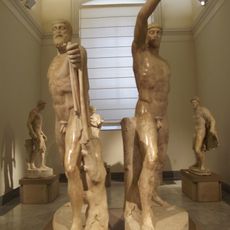
The epithet Patroos, "of the fathers", was given to Apollo after Ion settled Athens, according to Aristotle's Constitution of the Athenians; as father of Ion, the god stood for the city's Ionian ancestry. Pausanias saw statues of Apollo by Leochares and Kalamis in front of the temple.
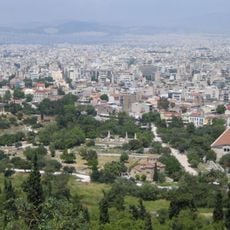
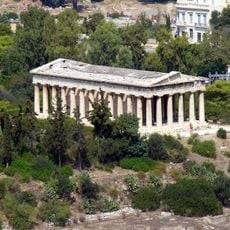
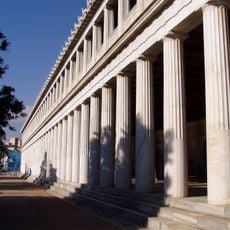
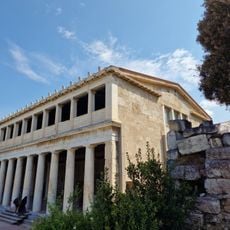
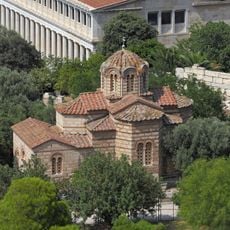
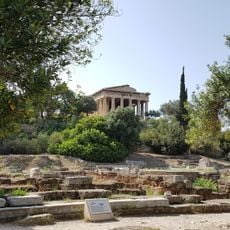
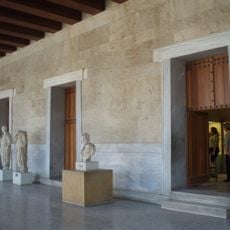
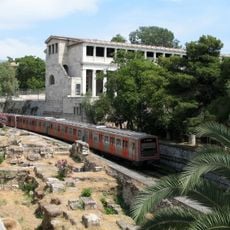
The temple sits on the west side of the Ancient Agora, below the Kolonos Agoraios hill and the Temple of Hephaestus, with the Stoa of Zeus immediately to the north and the Metroon to the south. Only foundations, a few marble fragments and the L-shaped plan of the rear chamber remain, so look at the ground rather than for standing columns. The colossal statue of Apollo by Euphranor is kept in the Stoa of Attalos.
The colossal cult statue by Euphranor was found split vertically into two pieces near the temple; at 2.54 m as preserved, the original block weighed about 6.5 tonnes. Its head and left forearm were carved from separate marble pieces and are now lost, though long hair survives on the left shoulder.
The community of curious travelers
AroundUs brings together thousands of curated places, local tips, and hidden gems, enriched daily by 94,388 contributors worldwide.