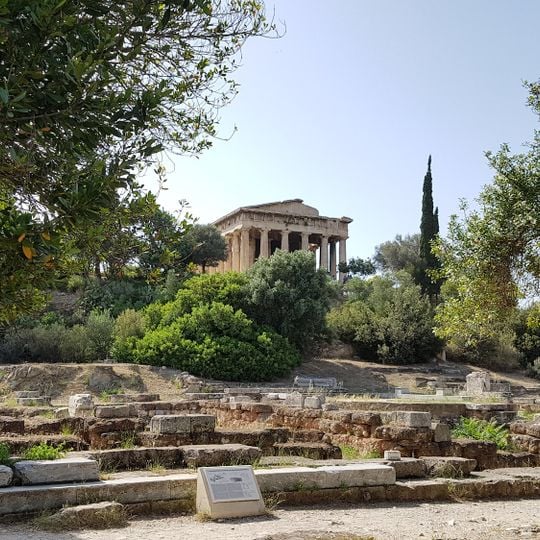
Monument of the Eponymous Heroes, Ancient public notice board in Ancient Agora of Athens, Greece
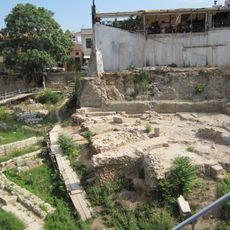
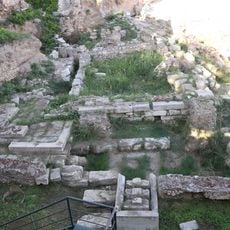
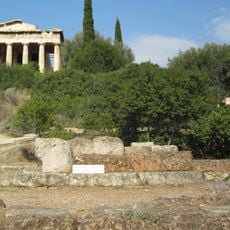
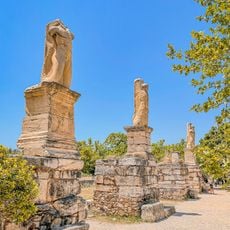
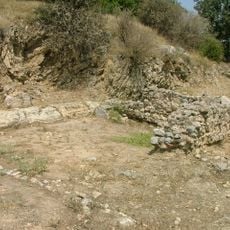
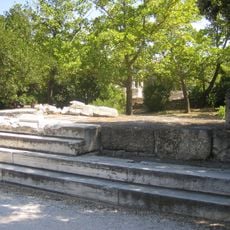
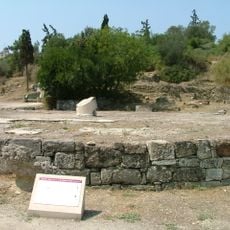
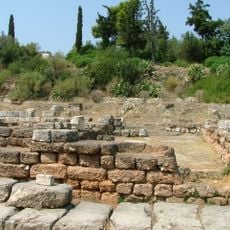
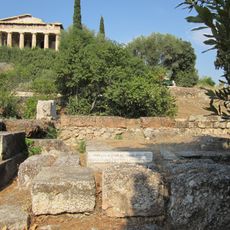
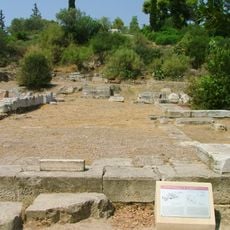
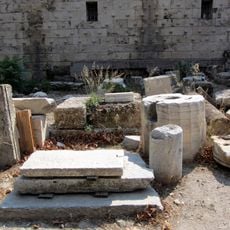
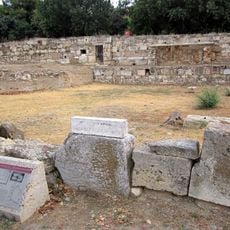
Monument of the Eponymous Heroes is a marble platform in the Ancient Agora of Athens that originally supported ten bronze statues and two tripods. The structure extended about 16 meters in length and featured wooden panels along its sides.
Cleisthenes' tribal reform of 508–507 BC created ten phylai, and the monument's mid-4th-century BC base carried one bronze statue per hero. Two statues of Macedonian kings were added in the late 4th century BC, then reversed after Philip V's siege; Attalos I and, in the 2nd century AD, Hadrian followed. Aristophanes mentioned the site in 424 BC.
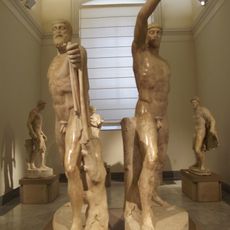
The ten statues represented leaders chosen by the Oracle of Delphi, each connected to one of Athens' administrative tribes. Visitors can see how these figures helped citizens understand their city's political organization.
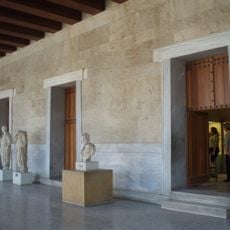
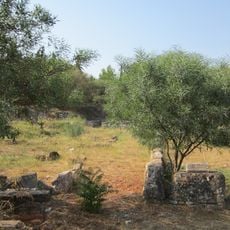
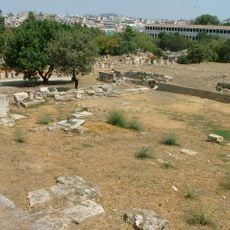
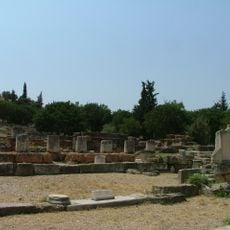
The monument sits near the Agora Museum and is easily accessible from the main entrance of the archaeological site. Visitors should note that the remains are weathered, so details become clearer when viewing from closer distances.
The fence posts were set at uneven intervals, about 1.27 m apart on the north side and 1.02 m on the south, and the sill blocks were laid without clamps, so they have shifted to leave gaps of up to 5 cm. The peribolos is also 12 cm wider at its north end than at its south end.
The community of curious travelers
AroundUs brings together thousands of curated places, local tips, and hidden gems, enriched daily by 92,811 contributors worldwide.