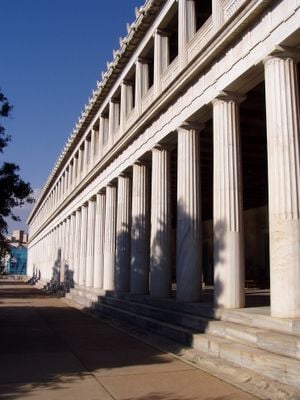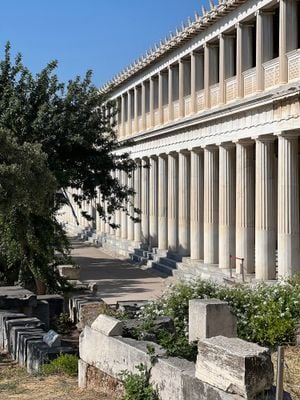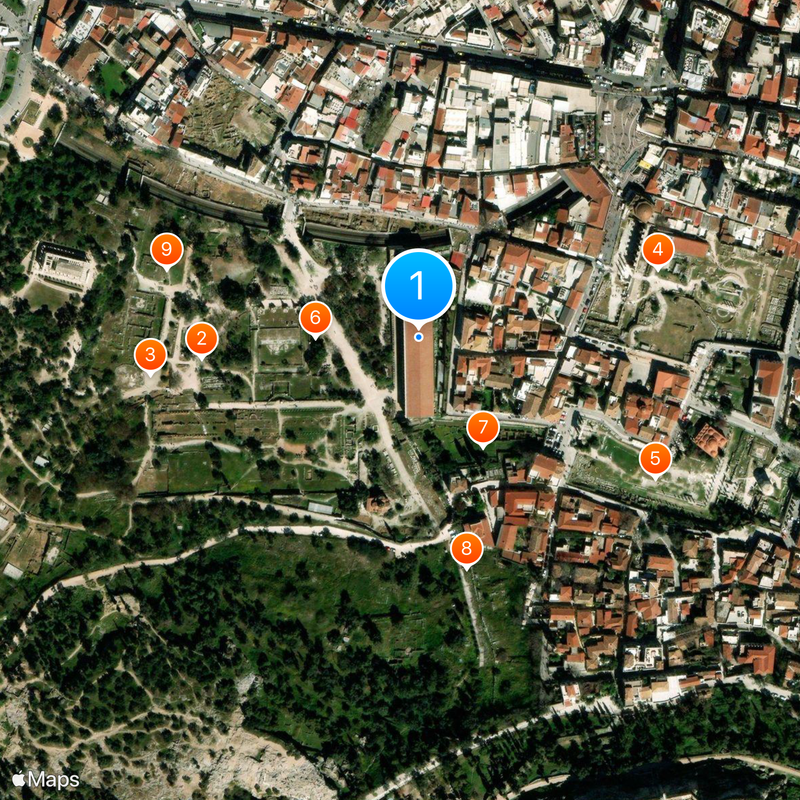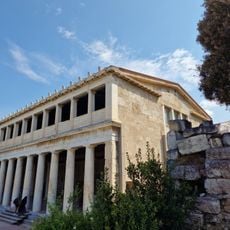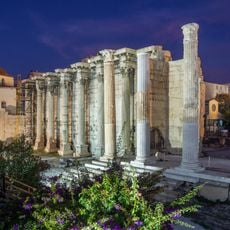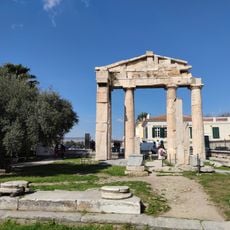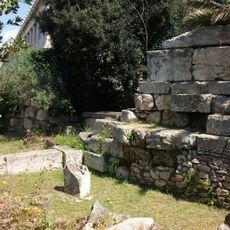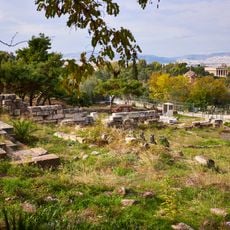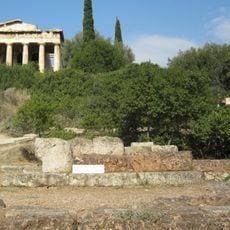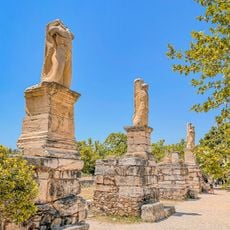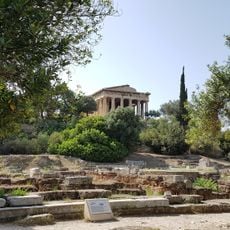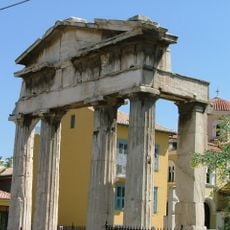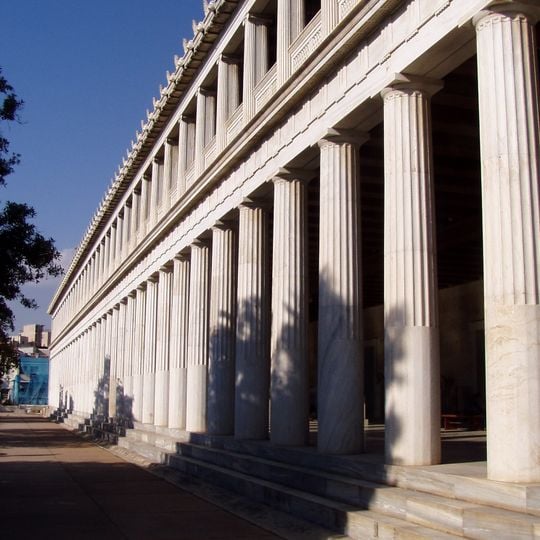
Stoa of Attalos, Ancient Greek portico in Ancient Agora, Greece.
The Stoa of Attalos is a reconstructed colonnaded building in the ancient Agora of Athens, Greece. The two-story hall measures 116 meters in length, with Doric columns on the ground floor exterior and Ionic columns inside.
King Attalos II of Pergamon had the building constructed between 159 and 138 BCE as a gift to Athens. The American School of Classical Studies carried out the complete reconstruction between 1952 and 1956.
The name honors King Attalos II of Pergamon, who financed the construction in the second century BCE. Visitors today see the reconstruction of a classical Greek market hall with colonnades where merchants once sold goods and Athenians gathered to talk.
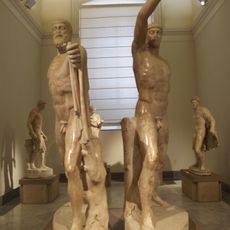
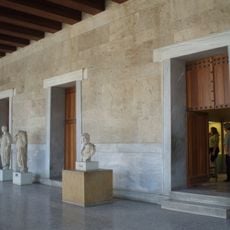
The Museum of the Ancient Agora now occupies the reconstructed spaces and displays finds from the seventh to fifth centuries BCE. Visitors see sculptures, coins and pottery from different periods of the ancient city.
The builders used marble from the ancient quarries of Piraeus, the same sources as in antiquity. The work also provided important insights into ancient construction techniques and helped interpret other archaeological finds across Greece.
The community of curious travelers
AroundUs brings together thousands of curated places, local tips, and hidden gems, enriched daily by 90,802 contributors worldwide.