See the monuments around you in AROpen chests in the app
Around Us is built for your phone — point your camera at the streets and discover the monuments and places around you in augmented reality.Around Us is built for your phone — chests unlock when you walk, explore and capture nearby places.
Athens offers numerous locations for photography that range from ancient structures to modern urban spaces. The Acropolis and the Temple of Olympian Zeus rank among the city's most significant archaeological sites, while neighborhoods like Plaka and Anafiotika provide narrow streets and traditional architecture that contrast with the modern metropolis. Lycabettus Hill and Areopagus Hill offer elevated viewpoints over the city and its ancient ruins. Markets like Varvakios, squares such as Monastiraki and Syntagma, and museums including the National Archaeological Museum and the Benaki Museum document different aspects of Greek history and culture. The Panathenaic Stadium and Zappeion Hall showcase neoclassical architecture from the 19th century, while the Stavros Niarchos Foundation Cultural Center represents contemporary design. These locations provide different perspectives on a city whose history spans more than 3,000 years.
Athens offers numerous locations for photography that range from ancient structures to modern urban spaces. The Acropolis and the Temple of Olympian Zeus rank among the city's most significant archaeological sites, while neighborhoods like Plaka and Anafiotika provide narrow streets and traditional architecture that contrast with the modern metropolis. Lycabettus Hill and Areopagus Hill offer elevated viewpoints over the city and its ancient ruins. Markets like Varvakios, squares such as Monastiraki and Syntagma, and museums including the National Archaeological Museum and the Benaki Museum document different aspects of Greek history and culture. The Panathenaic Stadium and Zappeion Hall showcase neoclassical architecture from the 19th century, while the Stavros Niarchos Foundation Cultural Center represents contemporary design. These locations provide different perspectives on a city whose history spans more than 3,000 years.
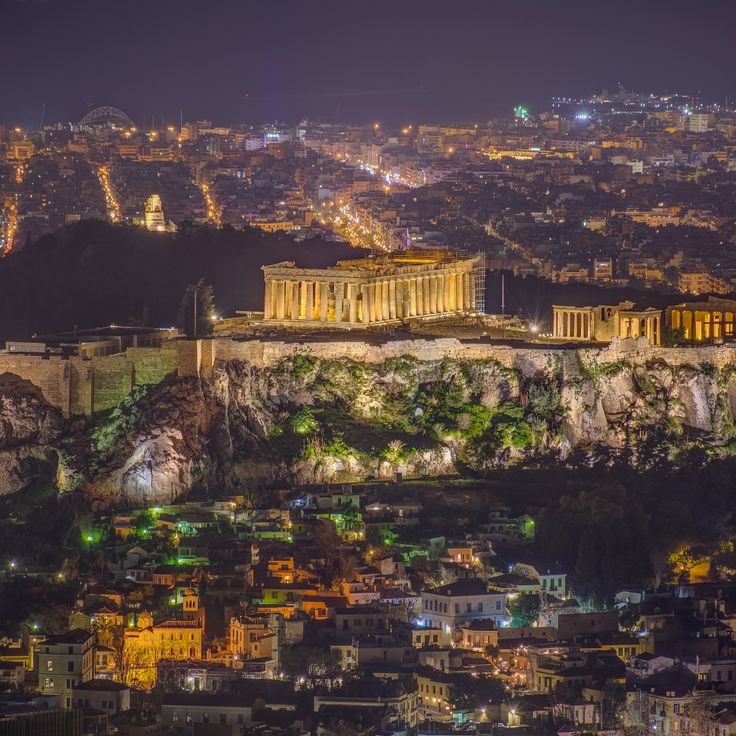
This ancient fortification complex sits on a 510-foot (156-meter) limestone hill and houses the Parthenon along with other Classical period temples, offering photographic perspectives on preserved columnar architecture, marble structures and the surrounding urban landscape for digital media.
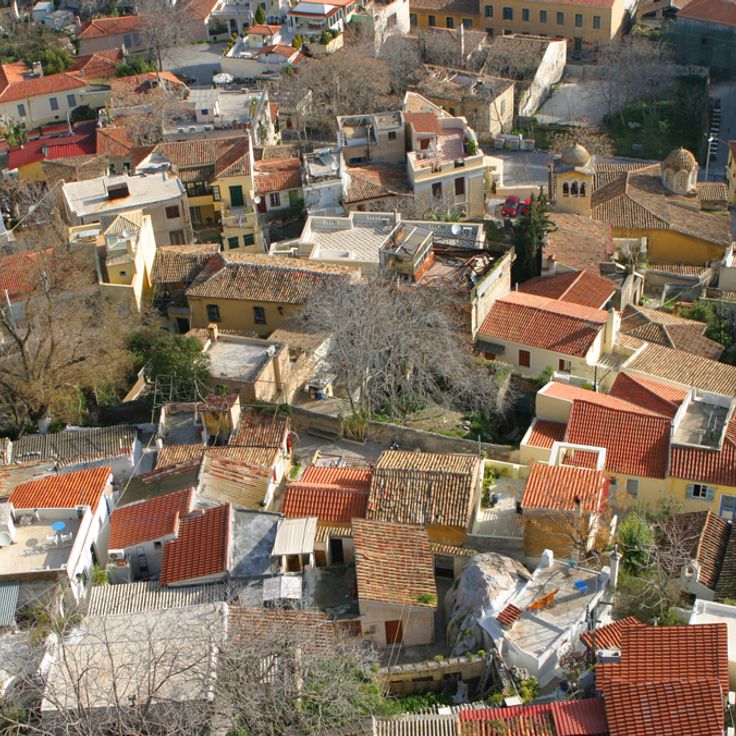
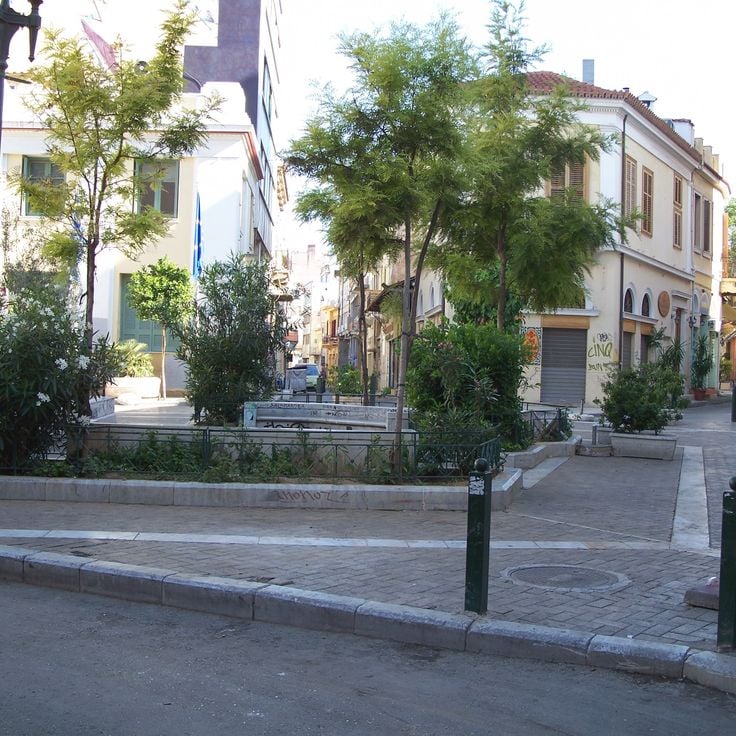
This district between Syntagma and Monastiraki shows old Athens with cobblestone streets, taverns and antique shops. The narrow lanes provide photo opportunities of 19th-century buildings, outdoor restaurants beneath bougainvillea, and views toward the Acropolis. Plaka combines residential architecture with tourist facilities, allowing photographers to capture traditional Greek street scenes in a central location.
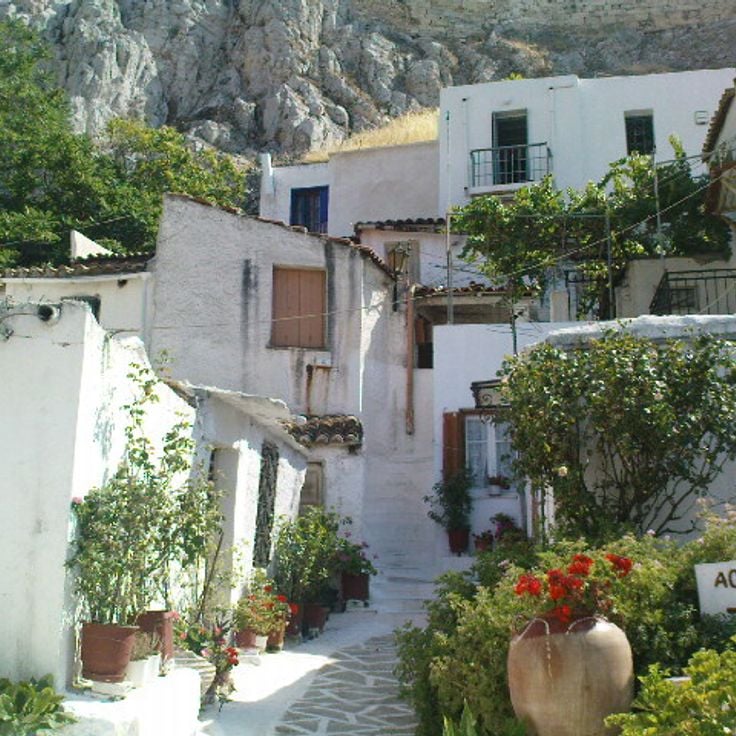
This quarter sits on the northern slopes of the Acropolis and preserves Cycladic architecture through whitewashed houses with blue shutters. The narrow lanes, low balconies and lime painted walls of Anafiotika create an unusual backdrop for images that evoke the Greek islands while the modern city extends in the background. The compact settlement and steep pathways form compositions with urban contrasts.
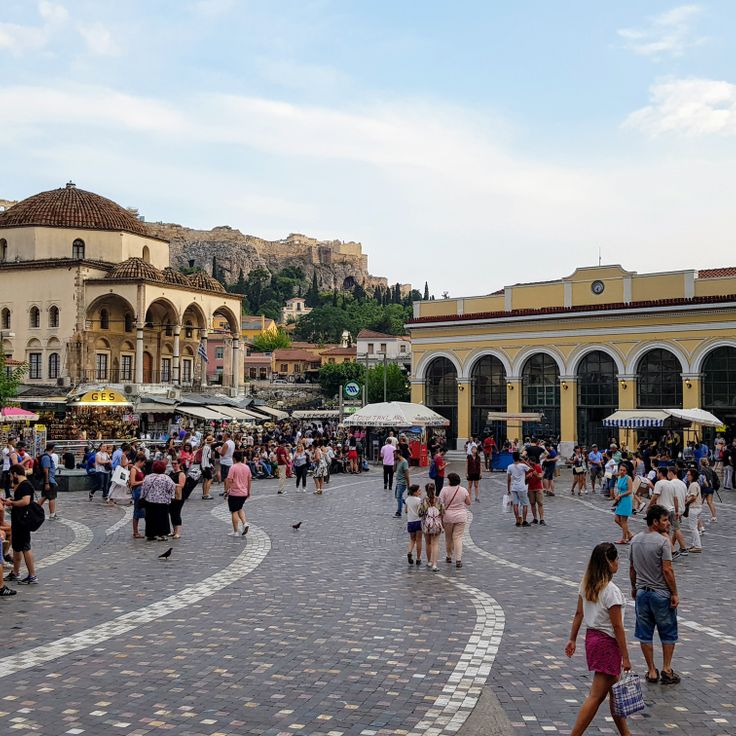
This square sits at the western edge of Plaka, connecting the traditional flea market district with the 18th-century Tzistarakis Mosque and the 10th-century Byzantine Pantanassa Church. The architecture includes Ottoman and Byzantine elements, while the surrounding shops and cafes provide photographic subjects against the backdrop of the Acropolis.
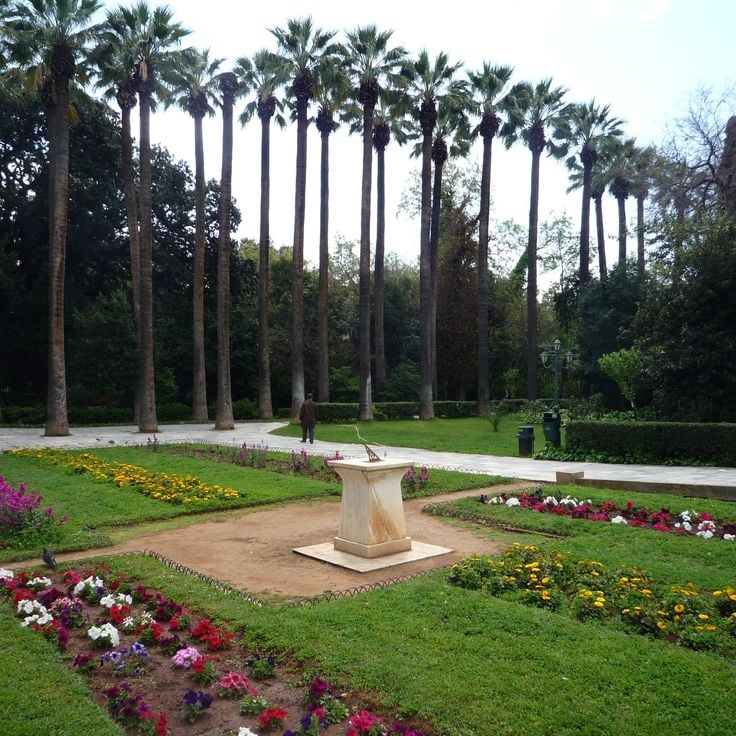
This public park covers 15 hectares (37 acres) in central Athens and offers shaded paths, ponds, and botanical collections of native plants. The quiet avenues and open clearings allow photography of Mediterranean vegetation, historical sculptures, and park architecture. The grounds combine natural elements with urban surroundings and serve as a photographic contrast to Athens' surrounding ancient sites and modern streets.
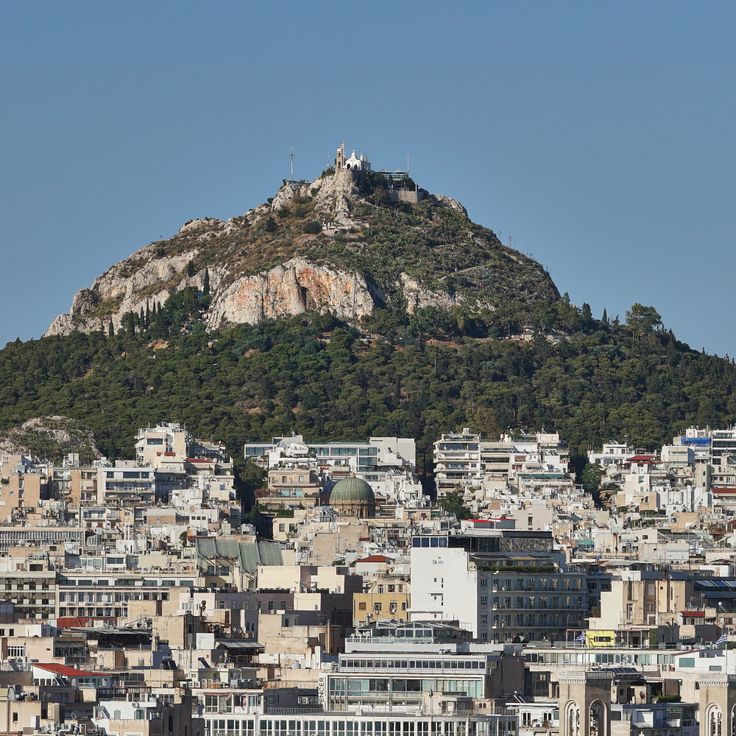
This limestone peak reaches 277 meters (908 feet) in height and provides viewpoints over Athens, the Saronic Gulf, and surrounding islands. The elevation makes Lycabettus Hill a suitable location for capturing the urban sprawl and coastal region for social media posts.
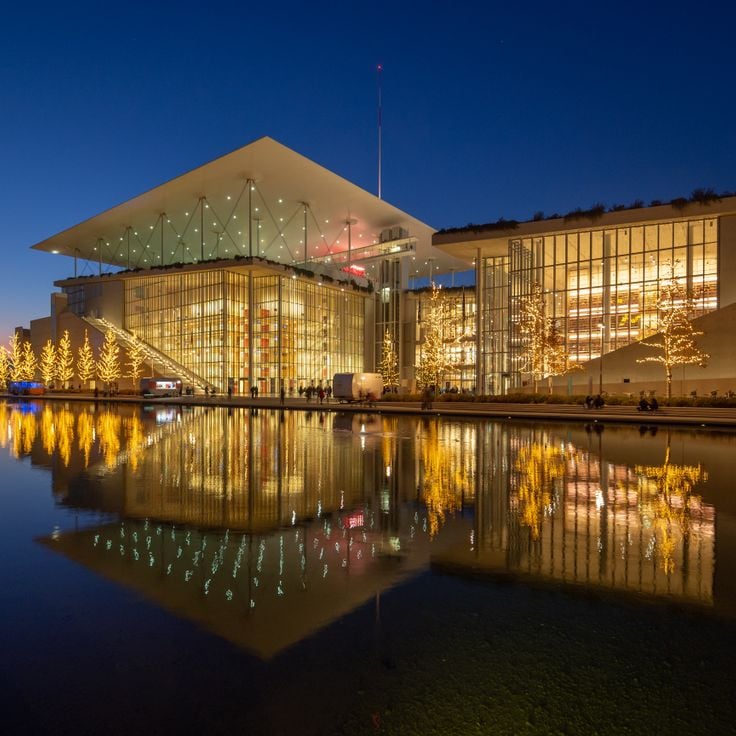
This cultural center combines concert halls, exhibition spaces and a library beneath a planted roof covering 215000 square feet (21000 square meters). The complex overlooks the sea and uses solar power for electricity generation. The grounds include terraced gardens and open plazas suitable for photographing contemporary architecture and urban green spaces.
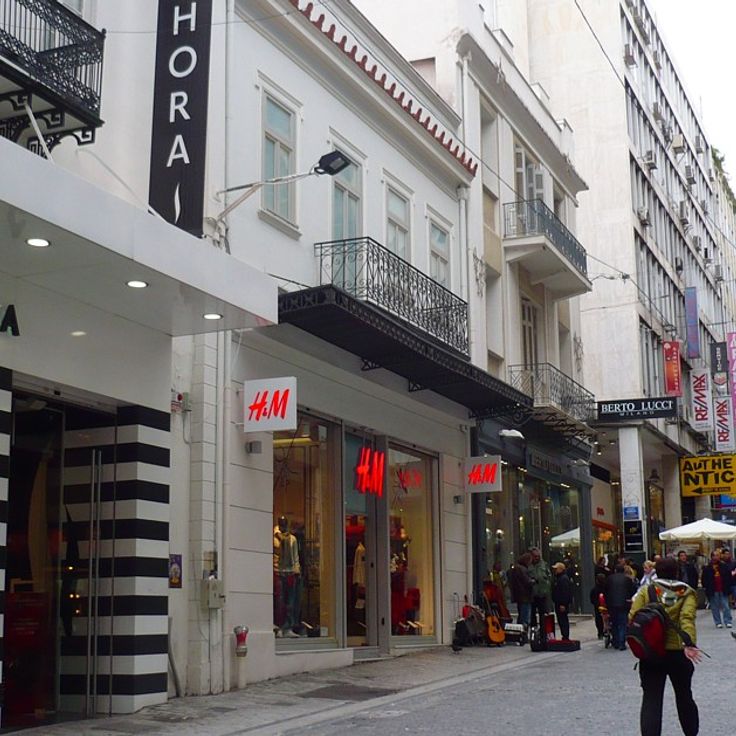
This pedestrian zone extends 1 mile (1.5 kilometers) between two historic squares and offers numerous photo opportunities with retail stores, restaurants, and historic buildings. Ermou Street combines architectural details with urban life and works well for street photography and architectural shots in central Athens.
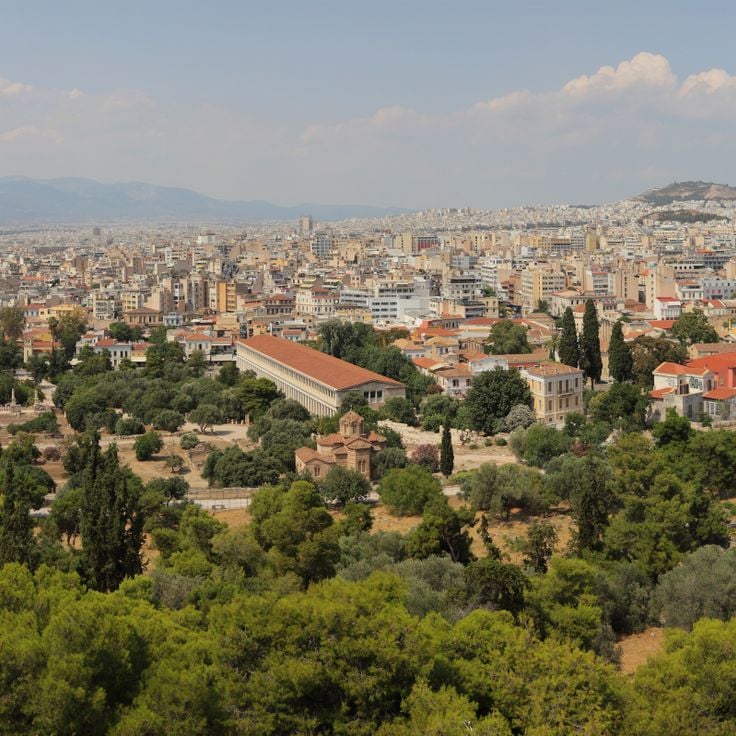
This limestone outcrop northwest of the Acropolis offers views across the city and the Parthenon. Areopagus Hill served as the meeting place of Athens' supreme judicial council in ancient times and today attracts photographers seeking elevated perspectives of the ancient monuments and the surrounding urban landscape.
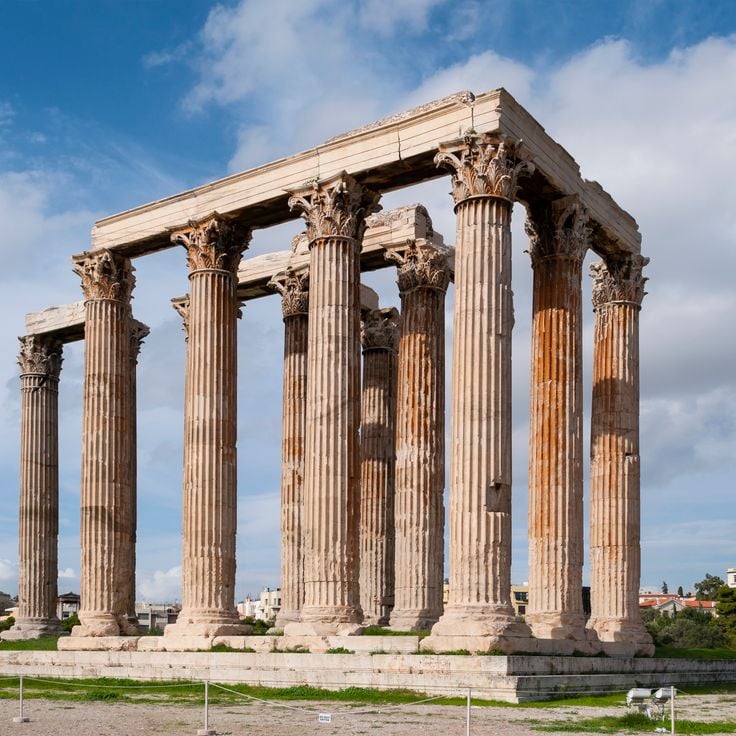
This ancient temple displays Corinthian columns that rise 56 feet (17 meters) in height and date from the 6th century BC. The site provides compositions for capturing classical architecture with the remaining columns set against the Athens cityscape, suitable for photographs documenting monumental Greek construction.
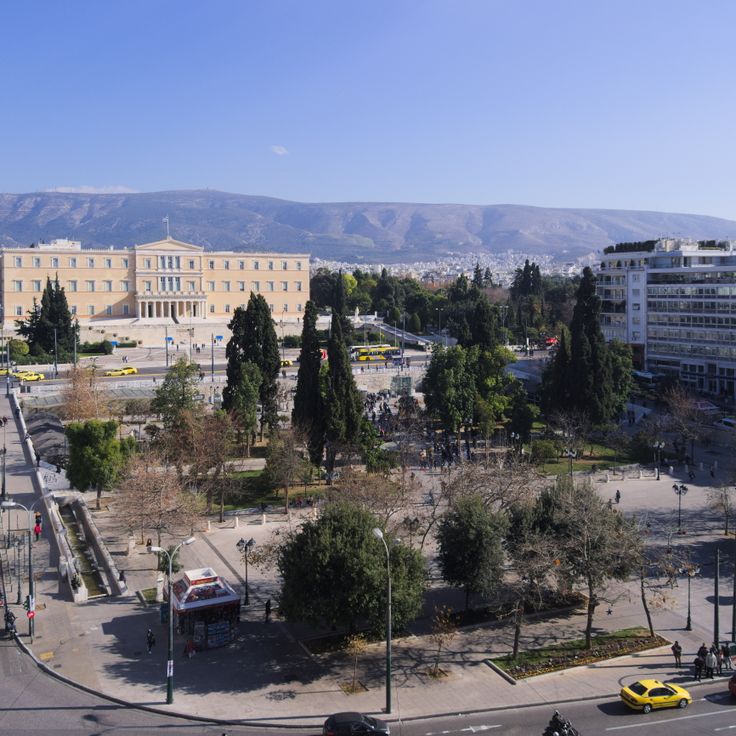
This central square sits in front of the Parliament building, where Evzone guards in traditional uniforms perform their ceremony every hour. The nineteenth-century layout serves as a major transport hub and provides an open space for photographing the changing of the guard and the neoclassical facade. Syntagma Square connects several main streets, and the metro station displays archaeological finds in its underground level.
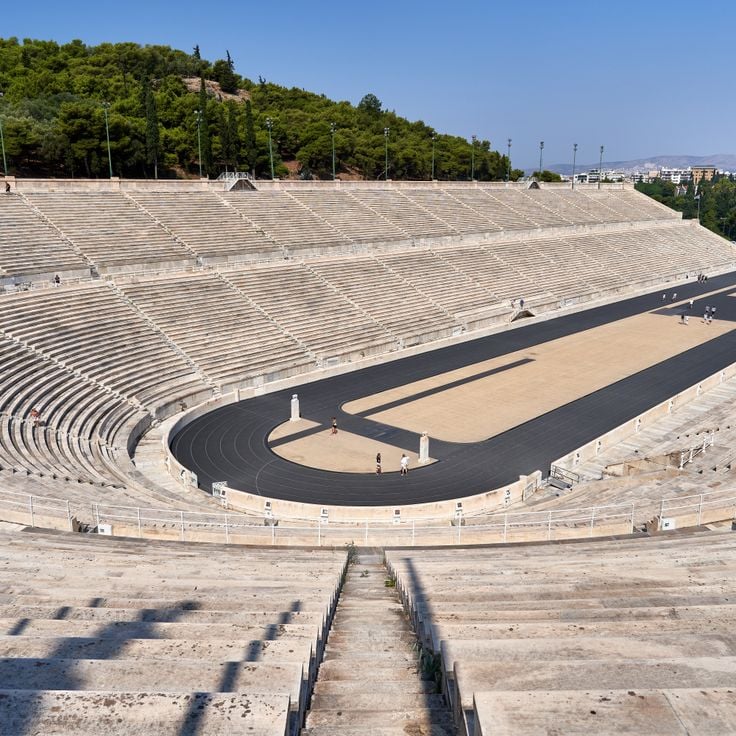
This white marble stadium hosted the first modern Olympic Games in 1896 and holds 45,000 spectators. The Panathenaic Stadium follows the form of ancient Greek athletic venues and creates a photogenic contrast between classical architecture and athletic function within the Athenian cityscape.
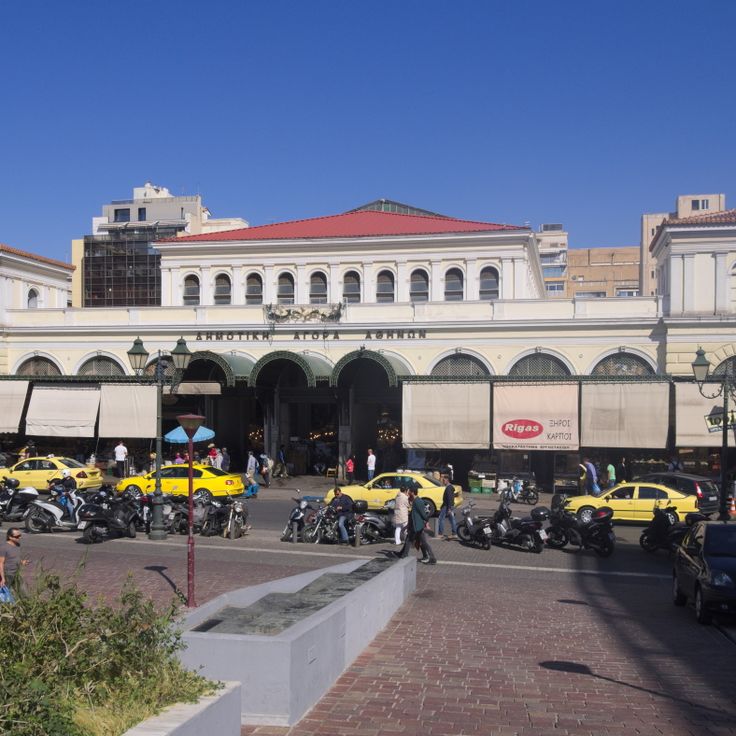
This central food market in Athens features stalls selling fresh fish, meat and Greek products. Varvakios Market shows daily life in the city and provides authentic scenes for photography. The market hall dates from the 19th century and remains a working commercial space with local vendors and shoppers.
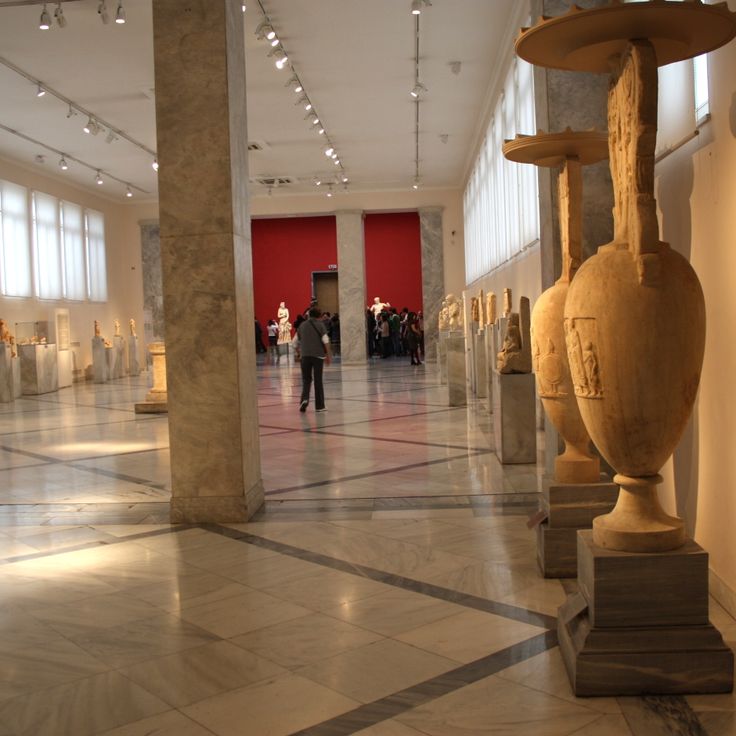
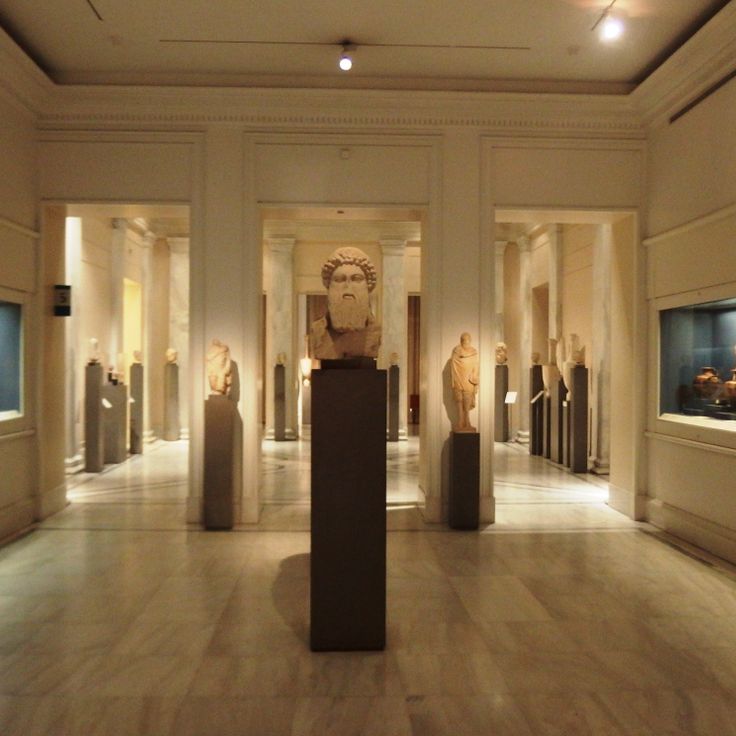
This museum holds one of the world's most comprehensive collections of Greek antiquities, including bronze sculptures from the 5th century BC, Mycenaean gold work and painted pottery from various periods. The neoclassical facade and interior colonnaded halls provide an appropriate setting for photographing both the displayed objects and the architecture itself.
This museum displays Greek artworks and historical objects from antiquity to the present day, offering numerous photographic subjects for social media. The collections at the Benaki Museum include sculptures, paintings, textiles, ceramics, and jewelry spanning different periods of Greek history. Exhibition rooms present Byzantine icons, Ottoman art objects, and works by Greek artists from the nineteenth and twentieth centuries. The building itself, a neoclassical mansion, provides architectural details for photography.
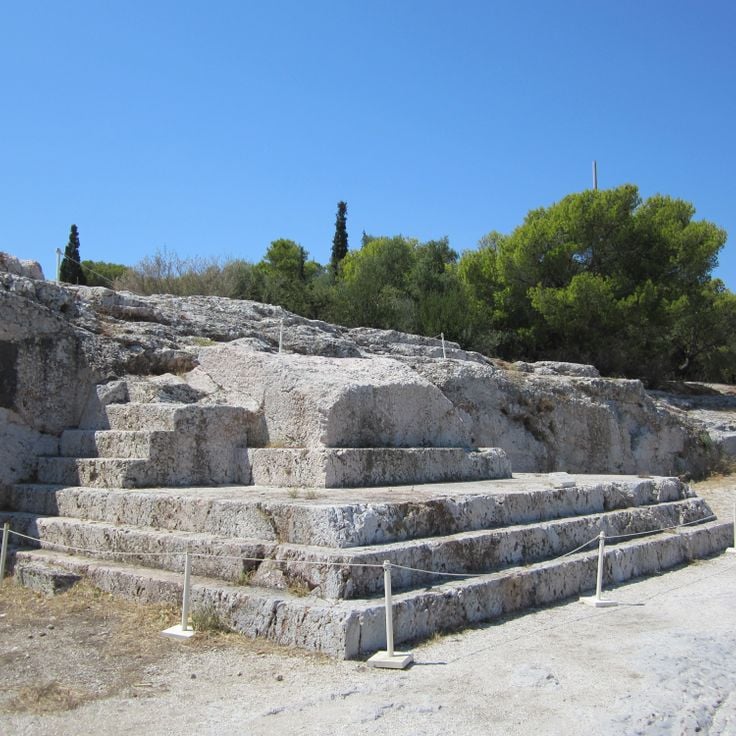
This ancient assembly site occupies a stone hill offering direct views of the Acropolis and the Athens cityscape below, making it a valuable location for historically layered urban photography.
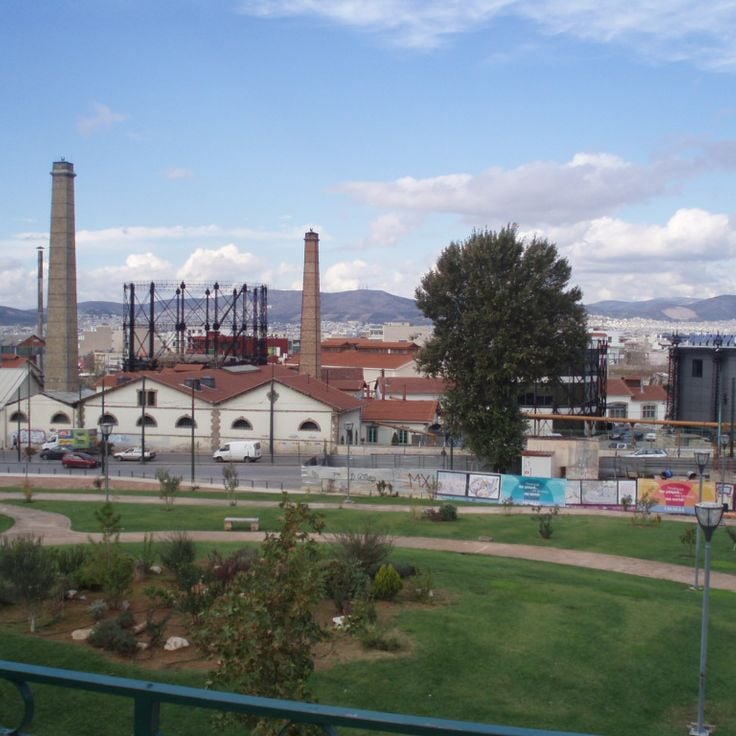
This cultural center within a nineteenth century industrial complex offers opportunities to photograph preserved chimneys and historic factory architecture. The facility hosts exhibitions and concerts in converted buildings from the former gas works, combining industrial heritage with contemporary culture. The brick structures and open grounds allow for varied photographic perspectives of both exterior areas and interior spaces.
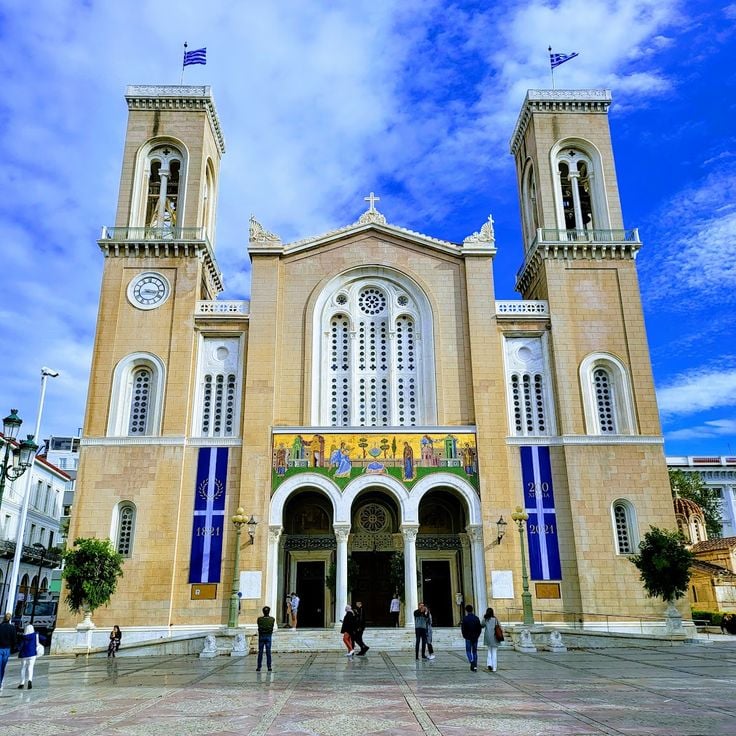
This cathedral built from Pentelic marble serves as the primary seat of the Greek Orthodox Church in Athens and provides a neoclassical facade with three portals and two bell towers suitable for architectural photography. Construction took twenty years and was completed in 1862. The interior displays religious frescoes and iconostasis screens, while the central location in Plaka allows easy access for visitors combining historic district exploration with architectural documentation.
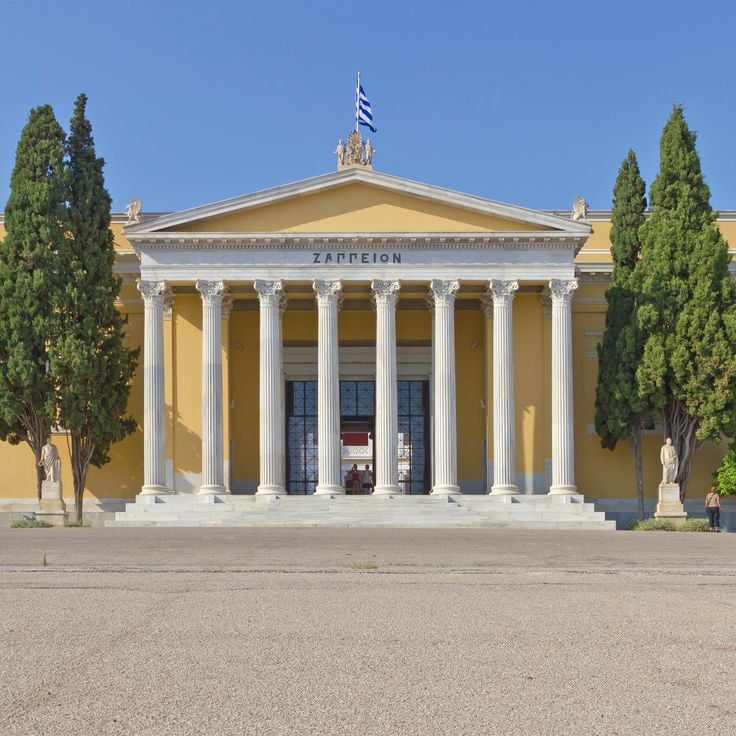
This neoclassical hall built for the first modern Olympic Games presents a circular interior with Corinthian columns and now serves as a conference center with impressive 19th-century Greek architecture that works well for photographs of its colonnades and main chamber.
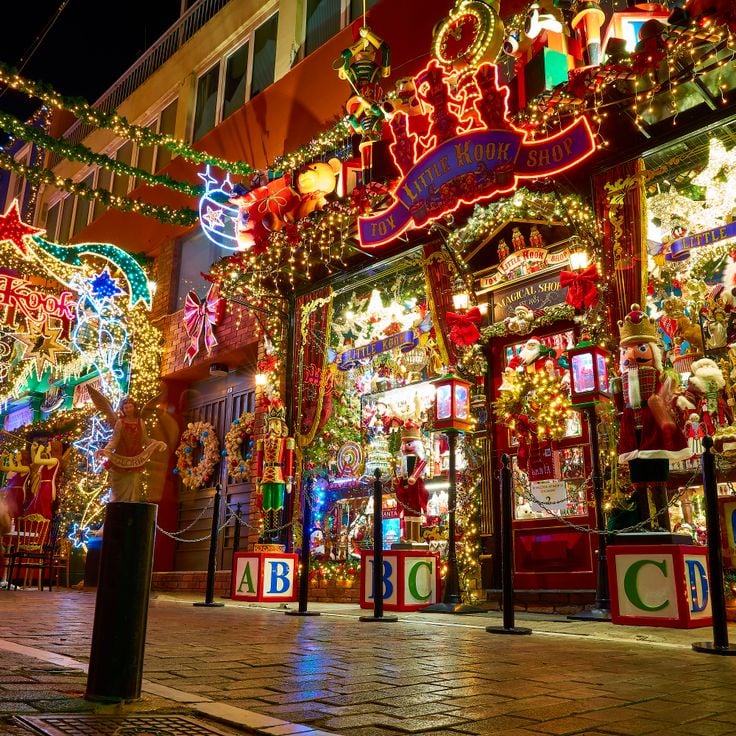
This cafe in the city center presents desserts in changing thematic settings based on fairy tale books and costumes. The facade is redesigned several times yearly and provides seasonal photo opportunities for social media. The decor includes detailed props, painted walls and installed figures representing different stories.
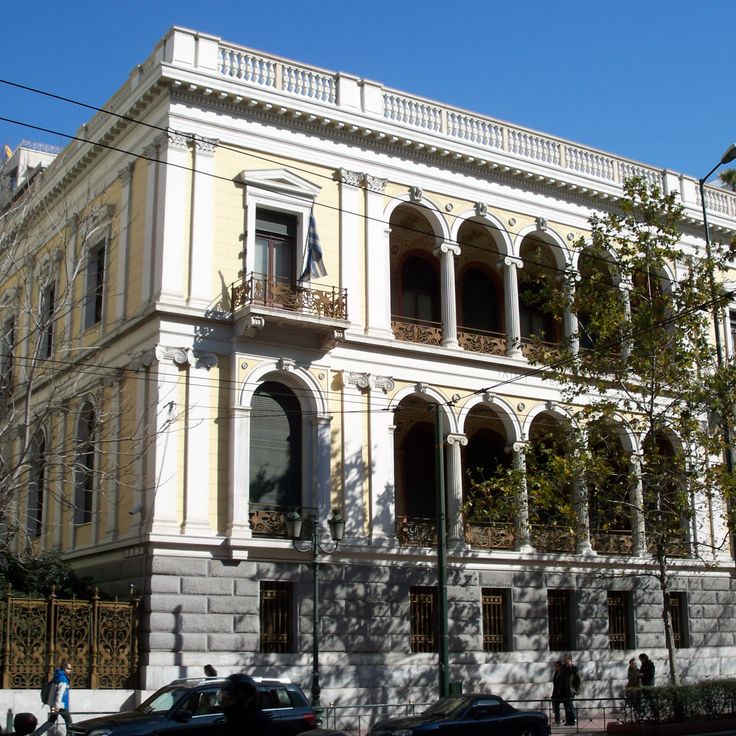
This museum displays a collection of 500,000 coins spanning antiquity to the present day, housed in the former residence of archaeologist Heinrich Schliemann. The neoclassical architecture of the building provides a fitting backdrop for exhibits tracing monetary history. Visitors can photograph coins from different periods of Greek and international numismatics. The historic setting combines archaeological scholarship with documentation of currency across millennia.
This district combines 19th-century factory buildings with restaurants, cafés and art galleries. Psyri offers outdoor spaces with painted facades and murals suitable for street photography. The architecture shows neoclassical elements and industrial structures preserved during renovation. Photographers find mixed textures of old and new design here, along with outdoor tables beneath plane trees.
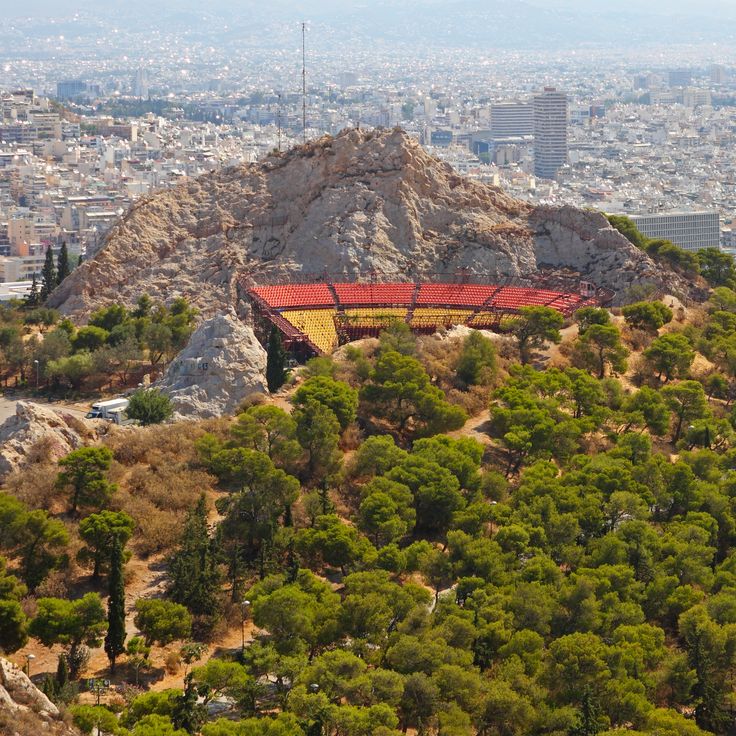
This stone amphitheater at 909 feet (277 meters) elevation provides 3000 seats and views across Athens and the Mediterranean Sea. The Lycabettus Theater combines architectural lines with panoramic perspectives, making it a suitable location for photography in Athens. The seating rows and natural surroundings create a frame for capturing the city and sea.
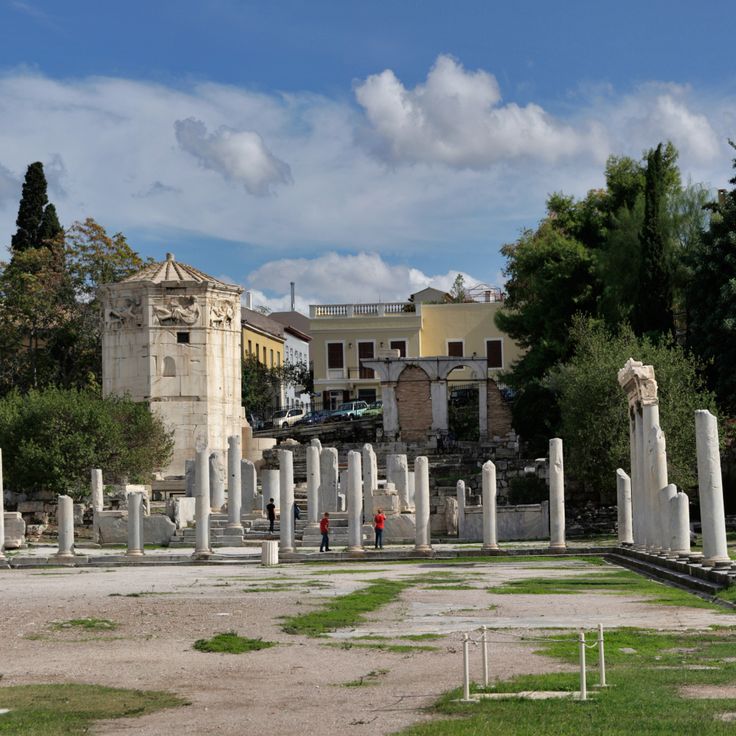
This Roman marketplace from the 1st century BC displays columns, gates and the octagonal Tower of the Winds. The Roman Agora provides architectural details for photography and connects commercial history with preserved structures in central Athens.
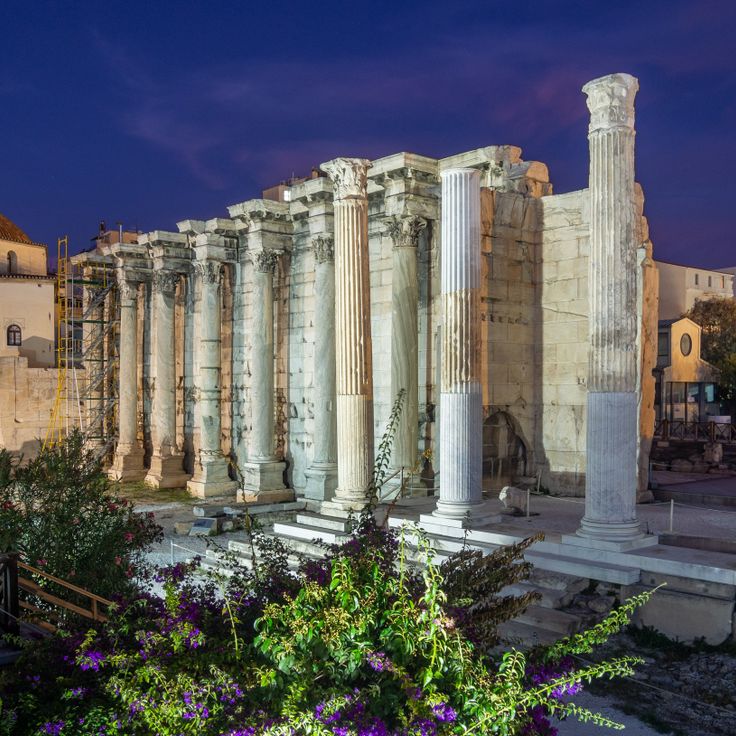
This ancient library preserves a rectangular courtyard with marble columns, a large main hall and several side rooms that once stored scrolls. The 2nd-century structure offers exposed column bases and wall remnants for documentary shots of Roman Athens. The remaining foundations show the original layout of the complex.
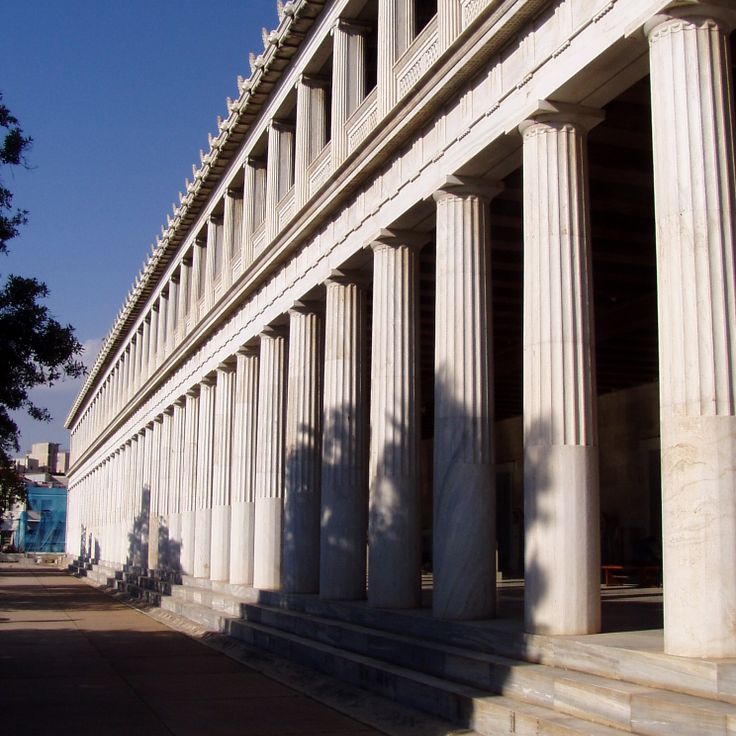
This ancient colonnade along the edge of the Agora was built in the 2nd century BC and fully reconstructed in the 1950s. The stoa extends for 380 feet (116 meters) and now serves as a museum for archaeological finds from the Agora, including ceramics, sculptures and everyday objects from various periods of Athenian history. The two-story Doric and Ionic colonnade provides a shaded walkway and views across the ancient marketplace, while the exhibition rooms offer context for the surrounding ruins. The site works well for photographs of classical architecture and reconstructed Greek design.
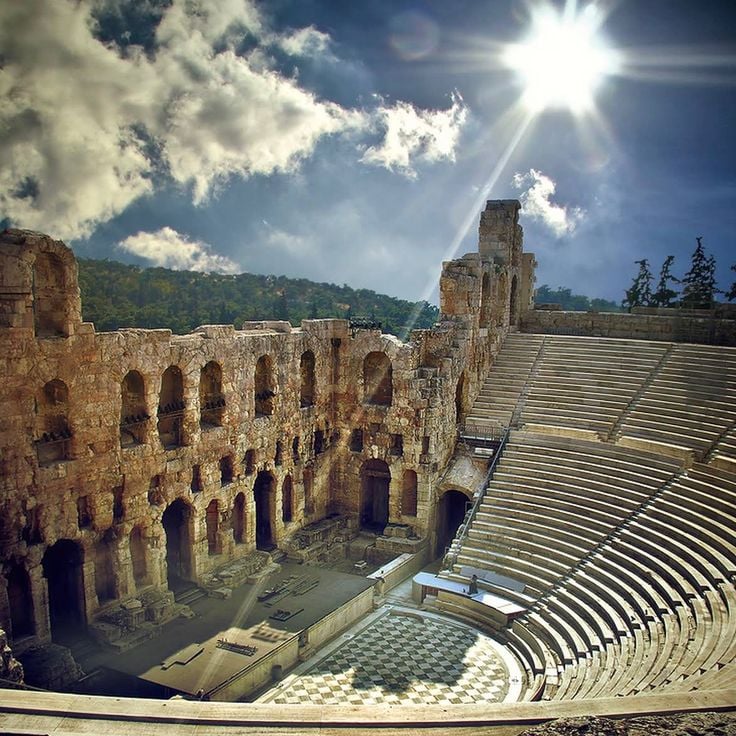
This 2nd century stone amphitheater rises on the south slope of the Acropolis and features a semicircular orchestra area with 35 rows of seats. The Odeon of Herodes Atticus offers photographers an impressive setting of Roman architecture with preserved arches and restored marble structures suitable for historical shots in a classical Athenian context.
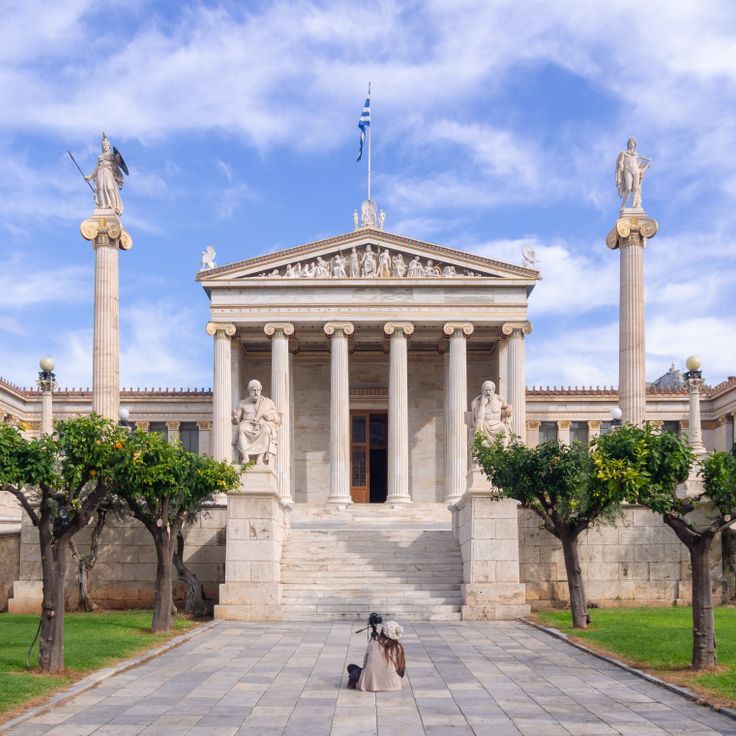
This nineteenth century neoclassical institution combines Ionic columns with sculptures of Athena and Apollo. The Academy serves as a research center and presents a symmetrical facade with detailed reliefs of Greek mythological scenes. Photographers find architectural lines and historical references here for urban context shots.
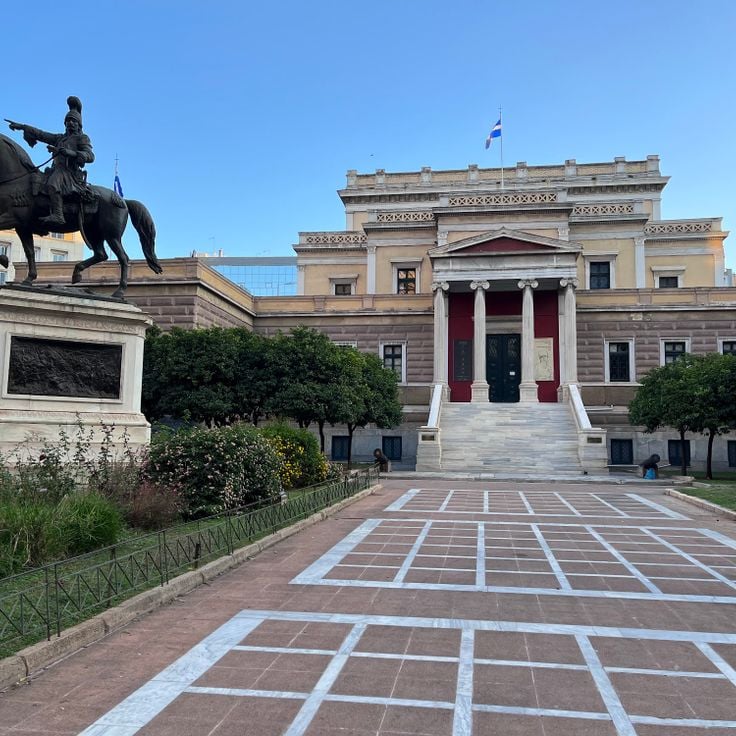
This museum occupies the former parliamentary building and displays documents, military equipment and national symbols documenting Greek history. The rooms in central Athens offer photographers historical architecture and interior views with artifacts from various periods. The building itself dates from the nineteenth century and once served as the seat of the legislature.
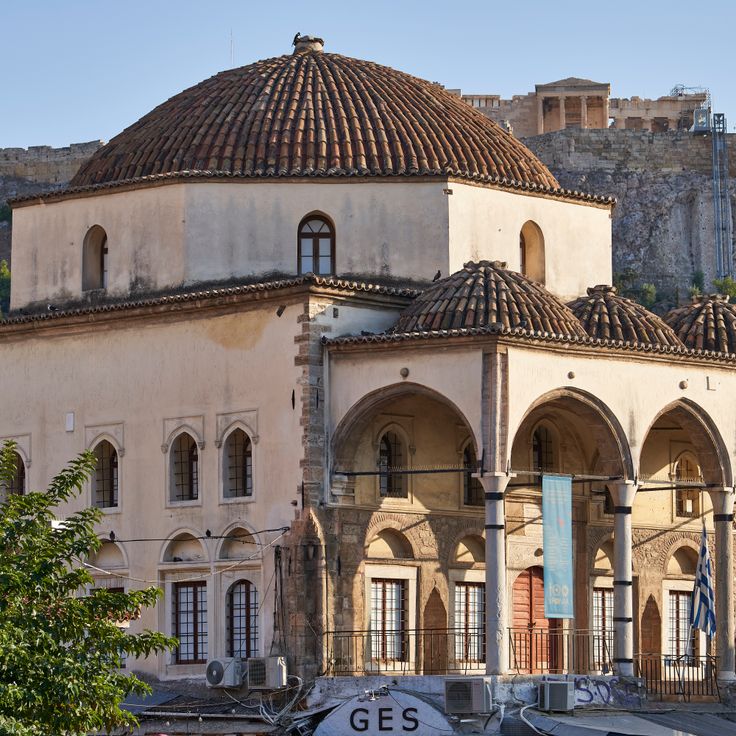
This Ottoman mosque from the 18th century stands on Monastiraki Square and now houses art exhibitions within its historic interior. The Tzistarakis Mosque displays typical architectural elements of the period, including a minaret and dome. Its location on the busy square allows photographers to capture Islamic architecture alongside Athens' urban activity, providing content suitable for digital media platforms.
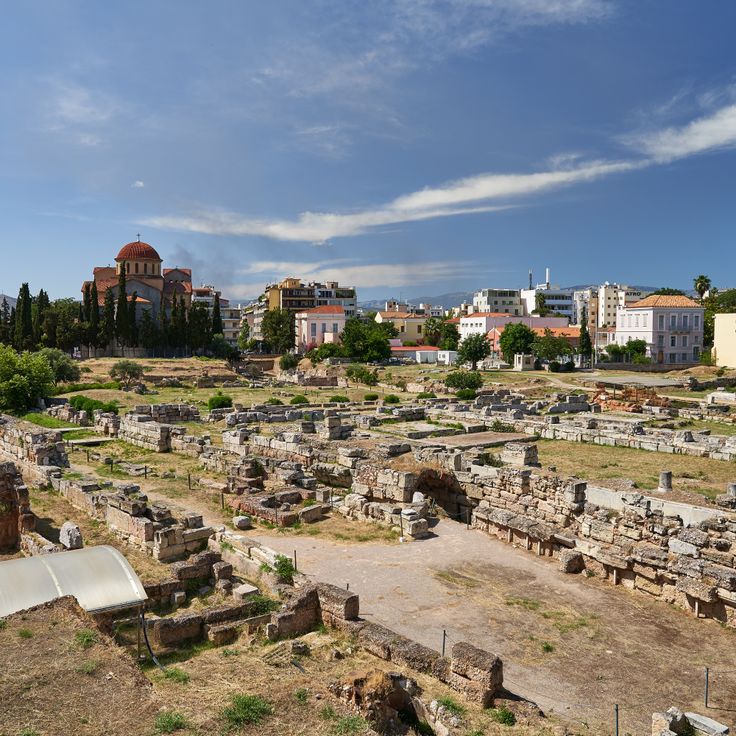
This archaeological complex preserves burial grounds from ancient Athens, used across several centuries. The Kerameikos necropolis displays stone funerary monuments along the old city walls and documents burial practices from the Classical and Hellenistic periods. The on-site museum presents grave goods, ceramics and stelae. The site offers quiet pathways between rows of graves and remnants of the fortifications, suitable for capturing historical structures and shaded architecture within Athens' urban context.
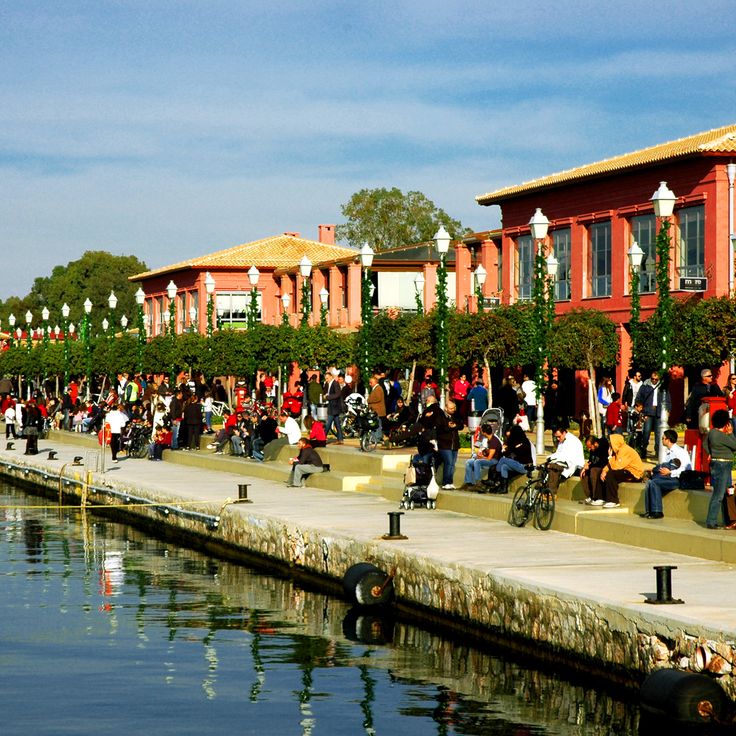
This marina in southern coastal Athens sits 4.7 miles (7.5 km) from the city center and provides berths for 303 boats. The waterfront promenade extends 2,600 feet (800 m) along the Saronic Gulf with direct access to restaurants, cafes and retail outlets. The yacht harbor underwent renovation in 2004 and features a breakwater that frames views of open water while keeping the Attic coastline visible in the background.
This ancient fortification complex sits on a 510-foot (156-meter) limestone hill and houses the Parthenon along with other Classical period temples, offering photographic perspectives on preserved columnar architecture, marble structures and the surrounding urban landscape for digital media.
This district between Syntagma and Monastiraki shows old Athens with cobblestone streets, taverns and antique shops. The narrow lanes provide photo opportunities of 19th-century buildings, outdoor restaurants beneath bougainvillea, and views toward the Acropolis. Plaka combines residential architecture with tourist facilities, allowing photographers to capture traditional Greek street scenes in a central location.
This quarter sits on the northern slopes of the Acropolis and preserves Cycladic architecture through whitewashed houses with blue shutters. The narrow lanes, low balconies and lime painted walls of Anafiotika create an unusual backdrop for images that evoke the Greek islands while the modern city extends in the background. The compact settlement and steep pathways form compositions with urban contrasts.
This square sits at the western edge of Plaka, connecting the traditional flea market district with the 18th-century Tzistarakis Mosque and the 10th-century Byzantine Pantanassa Church. The architecture includes Ottoman and Byzantine elements, while the surrounding shops and cafes provide photographic subjects against the backdrop of the Acropolis.
This public park covers 15 hectares (37 acres) in central Athens and offers shaded paths, ponds, and botanical collections of native plants. The quiet avenues and open clearings allow photography of Mediterranean vegetation, historical sculptures, and park architecture. The grounds combine natural elements with urban surroundings and serve as a photographic contrast to Athens' surrounding ancient sites and modern streets.
This limestone peak reaches 277 meters (908 feet) in height and provides viewpoints over Athens, the Saronic Gulf, and surrounding islands. The elevation makes Lycabettus Hill a suitable location for capturing the urban sprawl and coastal region for social media posts.
This cultural center combines concert halls, exhibition spaces and a library beneath a planted roof covering 215000 square feet (21000 square meters). The complex overlooks the sea and uses solar power for electricity generation. The grounds include terraced gardens and open plazas suitable for photographing contemporary architecture and urban green spaces.
This pedestrian zone extends 1 mile (1.5 kilometers) between two historic squares and offers numerous photo opportunities with retail stores, restaurants, and historic buildings. Ermou Street combines architectural details with urban life and works well for street photography and architectural shots in central Athens.
This limestone outcrop northwest of the Acropolis offers views across the city and the Parthenon. Areopagus Hill served as the meeting place of Athens' supreme judicial council in ancient times and today attracts photographers seeking elevated perspectives of the ancient monuments and the surrounding urban landscape.
This ancient temple displays Corinthian columns that rise 56 feet (17 meters) in height and date from the 6th century BC. The site provides compositions for capturing classical architecture with the remaining columns set against the Athens cityscape, suitable for photographs documenting monumental Greek construction.
This central square sits in front of the Parliament building, where Evzone guards in traditional uniforms perform their ceremony every hour. The nineteenth-century layout serves as a major transport hub and provides an open space for photographing the changing of the guard and the neoclassical facade. Syntagma Square connects several main streets, and the metro station displays archaeological finds in its underground level.
This white marble stadium hosted the first modern Olympic Games in 1896 and holds 45,000 spectators. The Panathenaic Stadium follows the form of ancient Greek athletic venues and creates a photogenic contrast between classical architecture and athletic function within the Athenian cityscape.
This central food market in Athens features stalls selling fresh fish, meat and Greek products. Varvakios Market shows daily life in the city and provides authentic scenes for photography. The market hall dates from the 19th century and remains a working commercial space with local vendors and shoppers.
This museum holds one of the world's most comprehensive collections of Greek antiquities, including bronze sculptures from the 5th century BC, Mycenaean gold work and painted pottery from various periods. The neoclassical facade and interior colonnaded halls provide an appropriate setting for photographing both the displayed objects and the architecture itself.
This museum displays Greek artworks and historical objects from antiquity to the present day, offering numerous photographic subjects for social media. The collections at the Benaki Museum include sculptures, paintings, textiles, ceramics, and jewelry spanning different periods of Greek history. Exhibition rooms present Byzantine icons, Ottoman art objects, and works by Greek artists from the nineteenth and twentieth centuries. The building itself, a neoclassical mansion, provides architectural details for photography.
This ancient assembly site occupies a stone hill offering direct views of the Acropolis and the Athens cityscape below, making it a valuable location for historically layered urban photography.
This cultural center within a nineteenth century industrial complex offers opportunities to photograph preserved chimneys and historic factory architecture. The facility hosts exhibitions and concerts in converted buildings from the former gas works, combining industrial heritage with contemporary culture. The brick structures and open grounds allow for varied photographic perspectives of both exterior areas and interior spaces.
This cathedral built from Pentelic marble serves as the primary seat of the Greek Orthodox Church in Athens and provides a neoclassical facade with three portals and two bell towers suitable for architectural photography. Construction took twenty years and was completed in 1862. The interior displays religious frescoes and iconostasis screens, while the central location in Plaka allows easy access for visitors combining historic district exploration with architectural documentation.
This neoclassical hall built for the first modern Olympic Games presents a circular interior with Corinthian columns and now serves as a conference center with impressive 19th-century Greek architecture that works well for photographs of its colonnades and main chamber.
This cafe in the city center presents desserts in changing thematic settings based on fairy tale books and costumes. The facade is redesigned several times yearly and provides seasonal photo opportunities for social media. The decor includes detailed props, painted walls and installed figures representing different stories.
This museum displays a collection of 500,000 coins spanning antiquity to the present day, housed in the former residence of archaeologist Heinrich Schliemann. The neoclassical architecture of the building provides a fitting backdrop for exhibits tracing monetary history. Visitors can photograph coins from different periods of Greek and international numismatics. The historic setting combines archaeological scholarship with documentation of currency across millennia.
This district combines 19th-century factory buildings with restaurants, cafés and art galleries. Psyri offers outdoor spaces with painted facades and murals suitable for street photography. The architecture shows neoclassical elements and industrial structures preserved during renovation. Photographers find mixed textures of old and new design here, along with outdoor tables beneath plane trees.
This stone amphitheater at 909 feet (277 meters) elevation provides 3000 seats and views across Athens and the Mediterranean Sea. The Lycabettus Theater combines architectural lines with panoramic perspectives, making it a suitable location for photography in Athens. The seating rows and natural surroundings create a frame for capturing the city and sea.
This Roman marketplace from the 1st century BC displays columns, gates and the octagonal Tower of the Winds. The Roman Agora provides architectural details for photography and connects commercial history with preserved structures in central Athens.
This ancient library preserves a rectangular courtyard with marble columns, a large main hall and several side rooms that once stored scrolls. The 2nd-century structure offers exposed column bases and wall remnants for documentary shots of Roman Athens. The remaining foundations show the original layout of the complex.
This ancient colonnade along the edge of the Agora was built in the 2nd century BC and fully reconstructed in the 1950s. The stoa extends for 380 feet (116 meters) and now serves as a museum for archaeological finds from the Agora, including ceramics, sculptures and everyday objects from various periods of Athenian history. The two-story Doric and Ionic colonnade provides a shaded walkway and views across the ancient marketplace, while the exhibition rooms offer context for the surrounding ruins. The site works well for photographs of classical architecture and reconstructed Greek design.
This 2nd century stone amphitheater rises on the south slope of the Acropolis and features a semicircular orchestra area with 35 rows of seats. The Odeon of Herodes Atticus offers photographers an impressive setting of Roman architecture with preserved arches and restored marble structures suitable for historical shots in a classical Athenian context.
This nineteenth century neoclassical institution combines Ionic columns with sculptures of Athena and Apollo. The Academy serves as a research center and presents a symmetrical facade with detailed reliefs of Greek mythological scenes. Photographers find architectural lines and historical references here for urban context shots.
This museum occupies the former parliamentary building and displays documents, military equipment and national symbols documenting Greek history. The rooms in central Athens offer photographers historical architecture and interior views with artifacts from various periods. The building itself dates from the nineteenth century and once served as the seat of the legislature.
This Ottoman mosque from the 18th century stands on Monastiraki Square and now houses art exhibitions within its historic interior. The Tzistarakis Mosque displays typical architectural elements of the period, including a minaret and dome. Its location on the busy square allows photographers to capture Islamic architecture alongside Athens' urban activity, providing content suitable for digital media platforms.
This archaeological complex preserves burial grounds from ancient Athens, used across several centuries. The Kerameikos necropolis displays stone funerary monuments along the old city walls and documents burial practices from the Classical and Hellenistic periods. The on-site museum presents grave goods, ceramics and stelae. The site offers quiet pathways between rows of graves and remnants of the fortifications, suitable for capturing historical structures and shaded architecture within Athens' urban context.
This marina in southern coastal Athens sits 4.7 miles (7.5 km) from the city center and provides berths for 303 boats. The waterfront promenade extends 2,600 feet (800 m) along the Saronic Gulf with direct access to restaurants, cafes and retail outlets. The yacht harbor underwent renovation in 2004 and features a breakwater that frames views of open water while keeping the Attic coastline visible in the background.
This ancient fortification complex sits on a 510-foot (156-meter) limestone hill and houses the Parthenon along with other Classical period temples, offering photographic perspectives on preserved columnar architecture, marble structures and the surrounding urban landscape for digital media.
This district between Syntagma and Monastiraki shows old Athens with cobblestone streets, taverns and antique shops. The narrow lanes provide photo opportunities of 19th-century buildings, outdoor restaurants beneath bougainvillea, and views toward the Acropolis. Plaka combines residential architecture with tourist facilities, allowing photographers to capture traditional Greek street scenes in a central location.
This quarter sits on the northern slopes of the Acropolis and preserves Cycladic architecture through whitewashed houses with blue shutters. The narrow lanes, low balconies and lime painted walls of Anafiotika create an unusual backdrop for images that evoke the Greek islands while the modern city extends in the background. The compact settlement and steep pathways form compositions with urban contrasts.
This square sits at the western edge of Plaka, connecting the traditional flea market district with the 18th-century Tzistarakis Mosque and the 10th-century Byzantine Pantanassa Church. The architecture includes Ottoman and Byzantine elements, while the surrounding shops and cafes provide photographic subjects against the backdrop of the Acropolis.
This public park covers 15 hectares (37 acres) in central Athens and offers shaded paths, ponds, and botanical collections of native plants. The quiet avenues and open clearings allow photography of Mediterranean vegetation, historical sculptures, and park architecture. The grounds combine natural elements with urban surroundings and serve as a photographic contrast to Athens' surrounding ancient sites and modern streets.
This limestone peak reaches 277 meters (908 feet) in height and provides viewpoints over Athens, the Saronic Gulf, and surrounding islands. The elevation makes Lycabettus Hill a suitable location for capturing the urban sprawl and coastal region for social media posts.
This cultural center combines concert halls, exhibition spaces and a library beneath a planted roof covering 215000 square feet (21000 square meters). The complex overlooks the sea and uses solar power for electricity generation. The grounds include terraced gardens and open plazas suitable for photographing contemporary architecture and urban green spaces.
This pedestrian zone extends 1 mile (1.5 kilometers) between two historic squares and offers numerous photo opportunities with retail stores, restaurants, and historic buildings. Ermou Street combines architectural details with urban life and works well for street photography and architectural shots in central Athens.
This limestone outcrop northwest of the Acropolis offers views across the city and the Parthenon. Areopagus Hill served as the meeting place of Athens' supreme judicial council in ancient times and today attracts photographers seeking elevated perspectives of the ancient monuments and the surrounding urban landscape.
This ancient temple displays Corinthian columns that rise 56 feet (17 meters) in height and date from the 6th century BC. The site provides compositions for capturing classical architecture with the remaining columns set against the Athens cityscape, suitable for photographs documenting monumental Greek construction.
This central square sits in front of the Parliament building, where Evzone guards in traditional uniforms perform their ceremony every hour. The nineteenth-century layout serves as a major transport hub and provides an open space for photographing the changing of the guard and the neoclassical facade. Syntagma Square connects several main streets, and the metro station displays archaeological finds in its underground level.
This white marble stadium hosted the first modern Olympic Games in 1896 and holds 45,000 spectators. The Panathenaic Stadium follows the form of ancient Greek athletic venues and creates a photogenic contrast between classical architecture and athletic function within the Athenian cityscape.
This central food market in Athens features stalls selling fresh fish, meat and Greek products. Varvakios Market shows daily life in the city and provides authentic scenes for photography. The market hall dates from the 19th century and remains a working commercial space with local vendors and shoppers.
This museum holds one of the world's most comprehensive collections of Greek antiquities, including bronze sculptures from the 5th century BC, Mycenaean gold work and painted pottery from various periods. The neoclassical facade and interior colonnaded halls provide an appropriate setting for photographing both the displayed objects and the architecture itself.
This museum displays Greek artworks and historical objects from antiquity to the present day, offering numerous photographic subjects for social media. The collections at the Benaki Museum include sculptures, paintings, textiles, ceramics, and jewelry spanning different periods of Greek history. Exhibition rooms present Byzantine icons, Ottoman art objects, and works by Greek artists from the nineteenth and twentieth centuries. The building itself, a neoclassical mansion, provides architectural details for photography.
This ancient assembly site occupies a stone hill offering direct views of the Acropolis and the Athens cityscape below, making it a valuable location for historically layered urban photography.
This cultural center within a nineteenth century industrial complex offers opportunities to photograph preserved chimneys and historic factory architecture. The facility hosts exhibitions and concerts in converted buildings from the former gas works, combining industrial heritage with contemporary culture. The brick structures and open grounds allow for varied photographic perspectives of both exterior areas and interior spaces.
This cathedral built from Pentelic marble serves as the primary seat of the Greek Orthodox Church in Athens and provides a neoclassical facade with three portals and two bell towers suitable for architectural photography. Construction took twenty years and was completed in 1862. The interior displays religious frescoes and iconostasis screens, while the central location in Plaka allows easy access for visitors combining historic district exploration with architectural documentation.
This neoclassical hall built for the first modern Olympic Games presents a circular interior with Corinthian columns and now serves as a conference center with impressive 19th-century Greek architecture that works well for photographs of its colonnades and main chamber.
This cafe in the city center presents desserts in changing thematic settings based on fairy tale books and costumes. The facade is redesigned several times yearly and provides seasonal photo opportunities for social media. The decor includes detailed props, painted walls and installed figures representing different stories.
This museum displays a collection of 500,000 coins spanning antiquity to the present day, housed in the former residence of archaeologist Heinrich Schliemann. The neoclassical architecture of the building provides a fitting backdrop for exhibits tracing monetary history. Visitors can photograph coins from different periods of Greek and international numismatics. The historic setting combines archaeological scholarship with documentation of currency across millennia.
This district combines 19th-century factory buildings with restaurants, cafés and art galleries. Psyri offers outdoor spaces with painted facades and murals suitable for street photography. The architecture shows neoclassical elements and industrial structures preserved during renovation. Photographers find mixed textures of old and new design here, along with outdoor tables beneath plane trees.
This stone amphitheater at 909 feet (277 meters) elevation provides 3000 seats and views across Athens and the Mediterranean Sea. The Lycabettus Theater combines architectural lines with panoramic perspectives, making it a suitable location for photography in Athens. The seating rows and natural surroundings create a frame for capturing the city and sea.
This Roman marketplace from the 1st century BC displays columns, gates and the octagonal Tower of the Winds. The Roman Agora provides architectural details for photography and connects commercial history with preserved structures in central Athens.
This ancient library preserves a rectangular courtyard with marble columns, a large main hall and several side rooms that once stored scrolls. The 2nd-century structure offers exposed column bases and wall remnants for documentary shots of Roman Athens. The remaining foundations show the original layout of the complex.
This ancient colonnade along the edge of the Agora was built in the 2nd century BC and fully reconstructed in the 1950s. The stoa extends for 380 feet (116 meters) and now serves as a museum for archaeological finds from the Agora, including ceramics, sculptures and everyday objects from various periods of Athenian history. The two-story Doric and Ionic colonnade provides a shaded walkway and views across the ancient marketplace, while the exhibition rooms offer context for the surrounding ruins. The site works well for photographs of classical architecture and reconstructed Greek design.
This 2nd century stone amphitheater rises on the south slope of the Acropolis and features a semicircular orchestra area with 35 rows of seats. The Odeon of Herodes Atticus offers photographers an impressive setting of Roman architecture with preserved arches and restored marble structures suitable for historical shots in a classical Athenian context.
This nineteenth century neoclassical institution combines Ionic columns with sculptures of Athena and Apollo. The Academy serves as a research center and presents a symmetrical facade with detailed reliefs of Greek mythological scenes. Photographers find architectural lines and historical references here for urban context shots.
This museum occupies the former parliamentary building and displays documents, military equipment and national symbols documenting Greek history. The rooms in central Athens offer photographers historical architecture and interior views with artifacts from various periods. The building itself dates from the nineteenth century and once served as the seat of the legislature.
This Ottoman mosque from the 18th century stands on Monastiraki Square and now houses art exhibitions within its historic interior. The Tzistarakis Mosque displays typical architectural elements of the period, including a minaret and dome. Its location on the busy square allows photographers to capture Islamic architecture alongside Athens' urban activity, providing content suitable for digital media platforms.
This archaeological complex preserves burial grounds from ancient Athens, used across several centuries. The Kerameikos necropolis displays stone funerary monuments along the old city walls and documents burial practices from the Classical and Hellenistic periods. The on-site museum presents grave goods, ceramics and stelae. The site offers quiet pathways between rows of graves and remnants of the fortifications, suitable for capturing historical structures and shaded architecture within Athens' urban context.
This marina in southern coastal Athens sits 4.7 miles (7.5 km) from the city center and provides berths for 303 boats. The waterfront promenade extends 2,600 feet (800 m) along the Saronic Gulf with direct access to restaurants, cafes and retail outlets. The yacht harbor underwent renovation in 2004 and features a breakwater that frames views of open water while keeping the Attic coastline visible in the background.