National Archaeological Museum of Athens, Archaeological museum in Athens, Greece
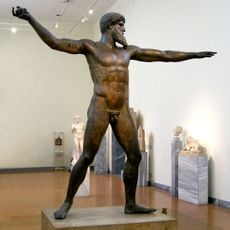
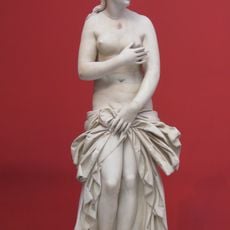
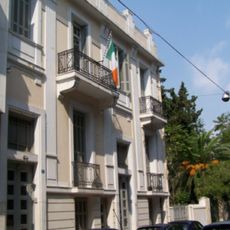
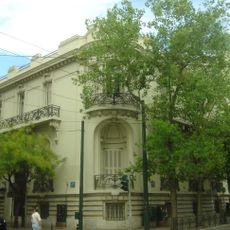
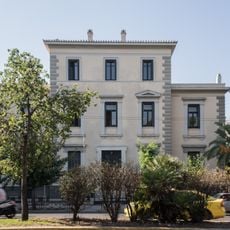
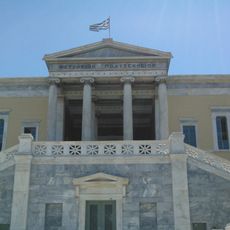
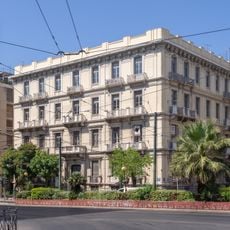
The National Archaeological Museum of Athens presents Greek antiquities from prehistoric times through late antiquity in a neoclassical building near Omonia Square. The exhibition is divided into thematic halls, including prehistoric objects, sculptures, bronzes, pottery, and finds from underwater excavations.
Greece's first national archaeological museum was founded by governor Ioannis Kapodistrias on Aigina in 1829; the collection moved several times before construction of the present building began in 1866 on land given by Eleni Tositsa. Completed in 1889 with funds from the Greek Government, the Archaeological Society and the society of Mycenae, it was first called The Central Museum and renamed in 1881 by Prime Minister Charilaos Trikoupis. An east wing by Anastasios Metaxas followed in the early 20th century, and a two-storey block by George Nomikos in 1932–1939.
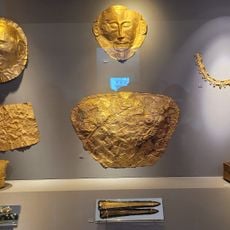
The museum was called The Central Museum until 1881, when Prime Minister Charilaos Trikoupis gave it its present name. The golden funerary masks from Grave Circle A at Mycenae, among them the so-called mask of Agamemnon, are the best-known pieces on show. The south wing holds the Epigraphical Museum, whose inscriptions range from prehistory to late antiquity.
The entrance is located on Patission Street, about a ten-minute walk north of Omonia Square and easily reached by metro. Visitors who want to see all the halls should plan at least two hours, as the collection is very extensive.
In the basement there is a laboratory where conservators reassemble damaged objects using traditional and modern methods. Some projects take years because tiny fragments from many different sites must fit together.
The community of curious travelers
AroundUs brings together thousands of curated places, local tips, and hidden gems, enriched daily by 92,829 contributors worldwide.