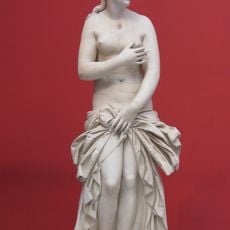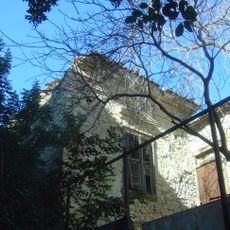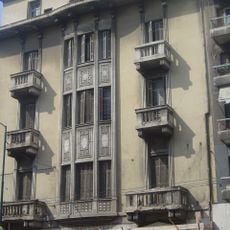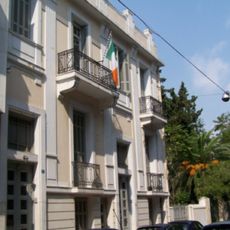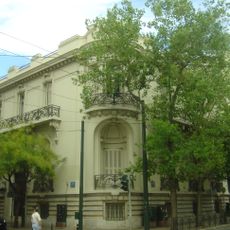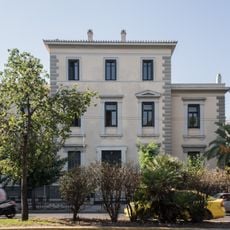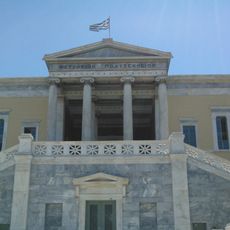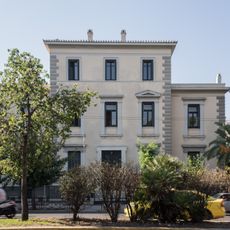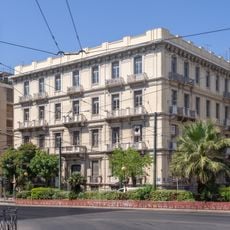
Epigraphical Museum, Archaeological museum in Athens, Greece
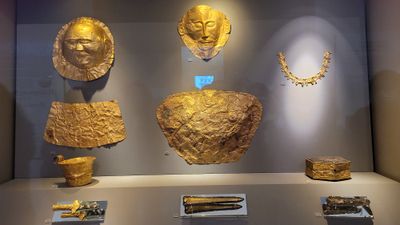
The Epigraphical Museum displays thousands of inscriptions carved into stone from different periods of ancient Greece and Rome. The collection spans from the early historical era through the late Roman period and includes texts written in multiple ancient languages and scripts.
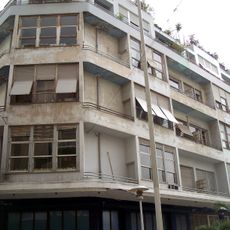
The museum was founded in 1885 and occupies space within the National Archaeological Museum designed by architect Patroklos Karantinos. Over the decades it gathered thousands of inscriptions that had been excavated across Greece and surrounding regions.
The inscriptions reveal how ancient people recorded their laws, honors, and daily concerns on stone through multiple languages and scripts. Walking through the rooms, you see the voices of ordinary citizens and leaders preserved in their own words.
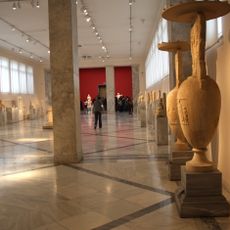
Four exhibition rooms are open to visitors, while other areas serve research functions and are not accessible to the public. The location within the larger archaeological museum complex makes it convenient to explore related collections during a single visit.
The collection includes one of the oldest surviving Athenian inscriptions from the Acropolis and a burial stone commemorating Corinthians who died at the Battle of Salamis. These rare objects provide direct testimony to significant moments in ancient Greek history through stone records.
The community of curious travelers
AroundUs brings together thousands of curated places, local tips, and hidden gems, enriched daily by 91,117 contributors worldwide.