Roman Agora of Athens, Ancient marketplace in Plaka, Greece
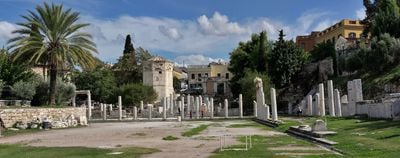
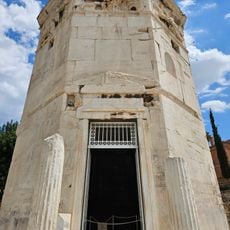
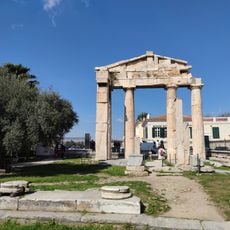
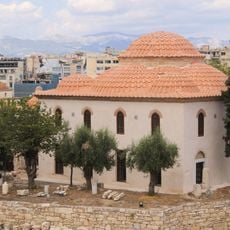
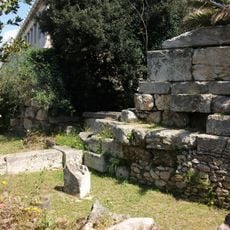
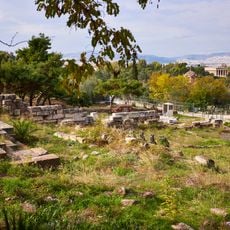
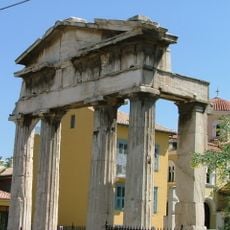
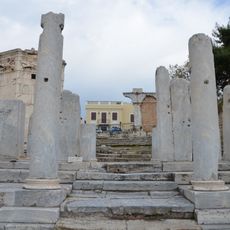
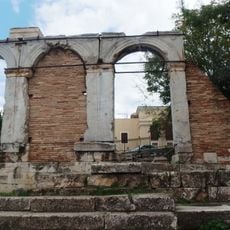
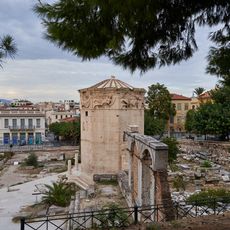
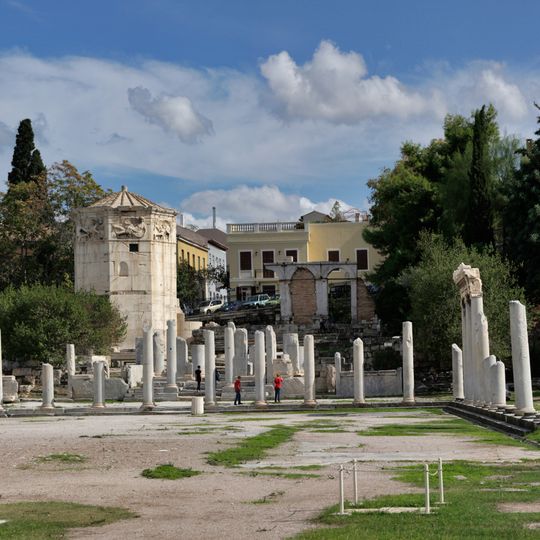
The Roman Agora of Athens is a ruined open space east of the Ancient Agora, built between 27 and 17 BC with funds from Augustus. Its surviving remains include rows of broken white stone columns and bases, low walling and steps, the Gate of Athena Archegetis, and the octagonal Tower of the Winds with sculpted reliefs near its top.
Emperor Augustus commissioned the construction between 19 and 11 BCE to meet the growing trade needs of Athens. Emperor Hadrian later added more buildings and expanded the complex during the second century CE.
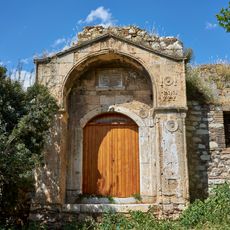
The site's name comes from the Roman period, when it served as Athens' central market for trade and gatherings. The Gate of Athena Archegetis was called the Gate of the Bazaar under Ottoman rule, when the space was used as a wheat market (Staro Pazaro). An inscription on the gate records a decree from Hadrian's reign on the tax obligations of oil merchants.
A combined ticket grants access to eight ancient sites in Athens, including the Acropolis and the classical agora grounds. Wear comfortable shoes as surfaces are uneven and column remains cross the paths.
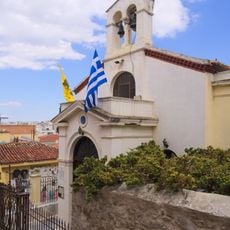
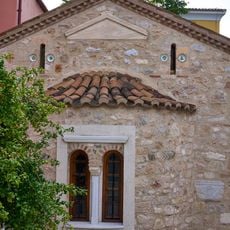
The Tower of Winds was converted into a chapel during the sixth century and remained nearly complete through the centuries because of this reuse. This transformation preserved the octagonal marble structure and the ancient reliefs depicting eight wind gods.
The community of curious travelers
AroundUs brings together thousands of curated places, local tips, and hidden gems, enriched daily by 94,220 contributors worldwide.