Plaka

Log in to your account

AroundUs is a community-driven map of interesting places, built by curious explorers like you. It grows with every review, story, and photo you share.
Connect to save your favorite spots, contribute locations, and create personalized routes.
By continuing, you accept our Terms and Conditions and our Privacy Policy
Add to collection
Map
Suggest a change
Share

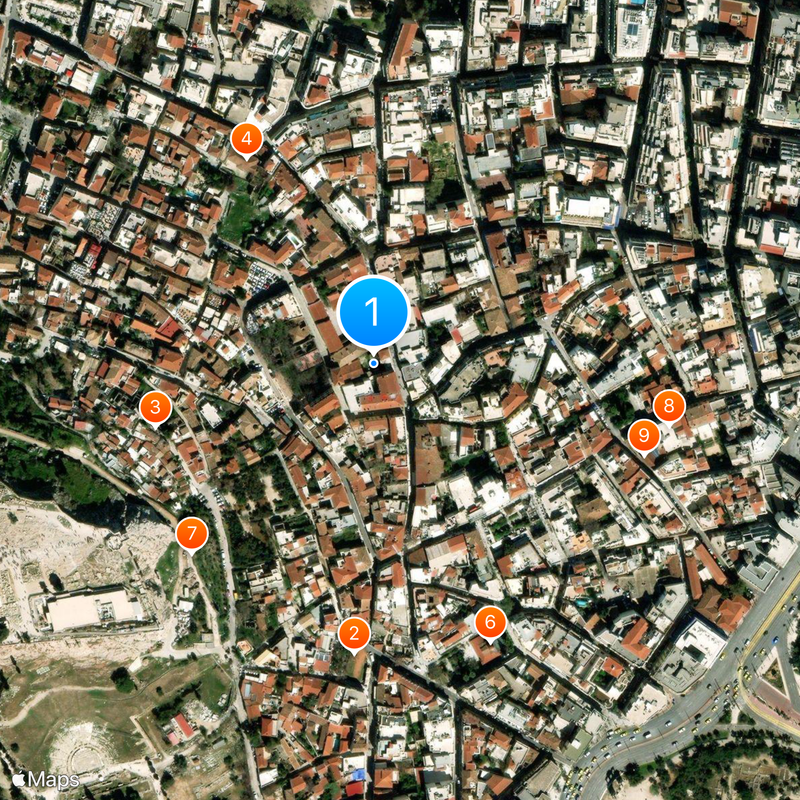
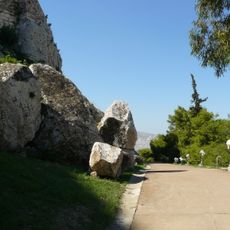
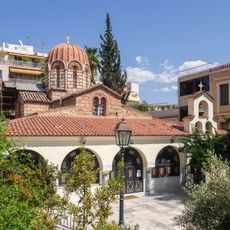
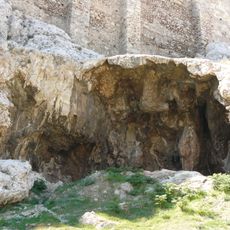
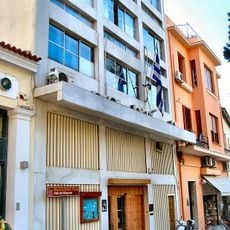
Plaka, Historic neighborhood under Acropolis, Athens, Greece

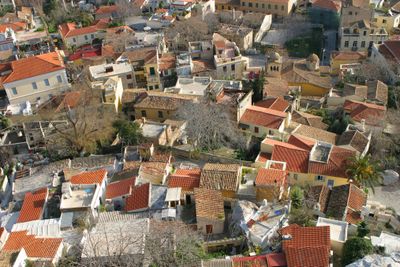
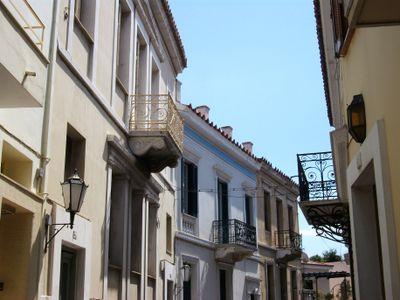
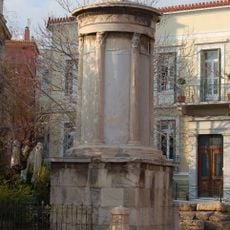
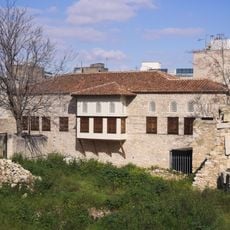
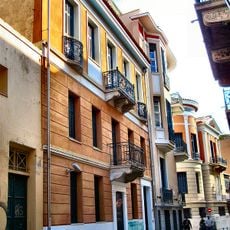
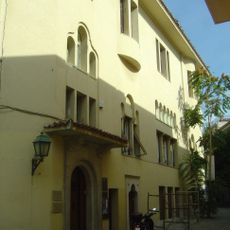
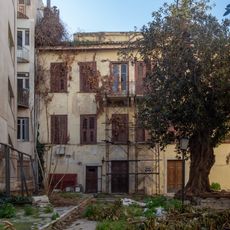
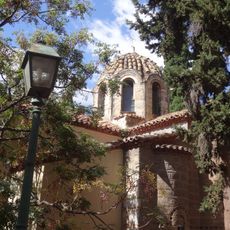
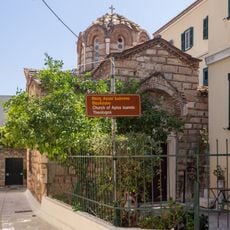
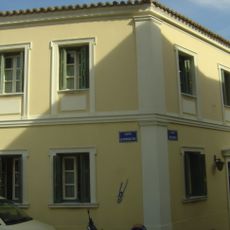
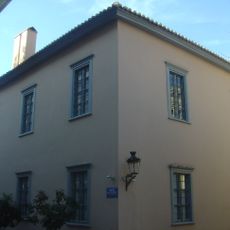
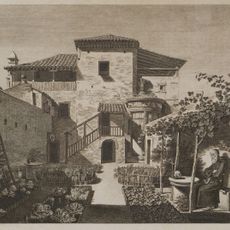
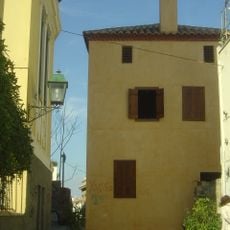
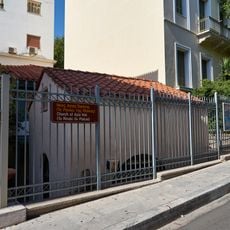
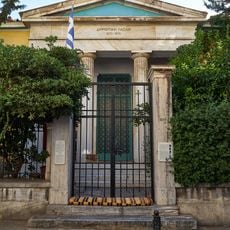
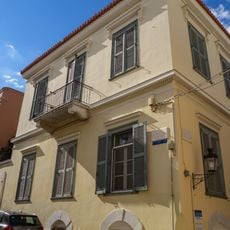
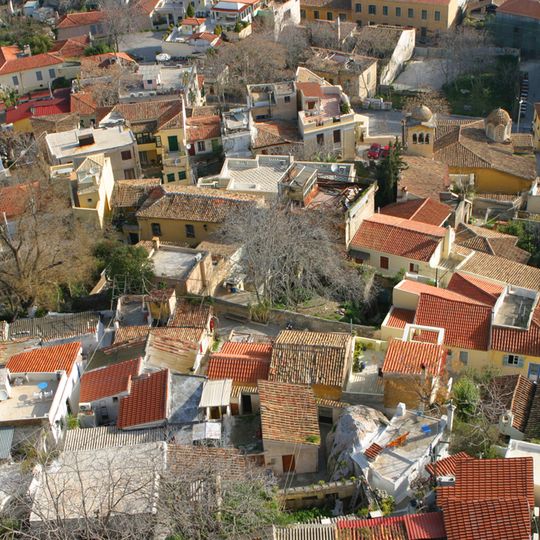
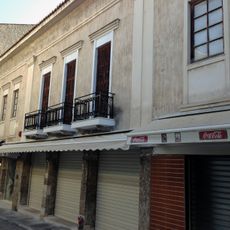
Plaka is a central neighborhood of Athens with narrow, stone-paved streets and two-story neoclassical buildings dating from the 19th century. The entire district is car-free and characterized by small squares, staircases, and hidden passages that give it a maze-like quality.

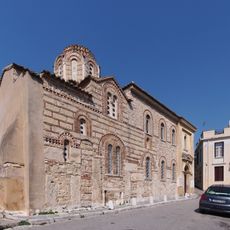
The area shows signs of habitation since ancient times, but most buildings visible today were built in the 19th century when Athens was rebuilt under Western influence. In the 1970s it was protected from demolition and transformed from an entertainment district into a residential neighborhood with cultural focus.

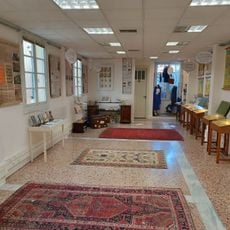
Taverns, shops, and street musicians shape daily life in the narrow lanes, where locals and visitors gather at small squares and cafés. The museums here tell stories about Greek traditions, Jewish heritage, and folk crafts that remain important to the neighborhood's identity.

The neighborhood is easily reached via three metro stations - Acropolis, Monastiraki, and Syntagma - all within short walking distance. Wear comfortable walking shoes since the streets are steep and uneven with many staircases running through the hilly lanes.

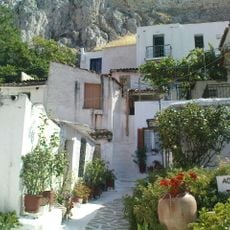
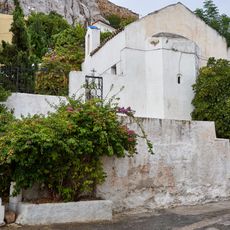
The Anafiotika section is unexpected: white Cycladic-style houses with flat roofs were built by settlers from Anafi island and create a small island landscape in the middle of the city. These white houses feel like another world and offer a surprising contrast to the neoclassical buildings around them.

Location: 1st District of Athens

Website: http://cityofathens.gr

GPS coordinates: 37.97285,23.73006

Latest update: December 6, 2025 16:00

Photos
Hidden beaches in Greece

Greece is home to many secluded beaches, away from main tourist routes and resorts. These lesser-known coastlines are found on the islands of Crete, Lefkada, Zakynthos, Cephalonia, Milos, and Karpathos. Some feature fine light-colored sand, others black volcanic pebbles from ancient eruptions, and all are surrounded by turquoise waters where the seabed is visible from the surface. Accessing these sites often requires extra effort: steep paths descending from cliffs, unpaved roads crossing Mediterranean scrub, or boat trips from coastal villages. Seitan Limania is nestled in a gorge with rocky walls over 100 meters high, while Egremni Beach is accessible after descending 350 carved steps in the cliffs. Mavra Volia is distinguished by its black lava stones, remnants of an eruption 2200 years ago, and Kedrodasos is home to centuries-old junipers casting shadows on the sand. These beaches generally have little or no tourist infrastructure. The lack of restaurants, parasol rentals, or paved parking preserves their natural state and limits the number of visitors, even during peak summer season. Some areas, such as Marathonisi Island, are partially protected to allow nesting of loggerhead turtles.

Historic districts in European cities

The historic districts display local architecture from medieval to baroque periods. The streets connect markets, cafes and old houses. The quarters preserve elements from their time of origin, from Romanesque churches to neoclassical facades.

Photogenic places in Athens for social media

Athens offers numerous locations for photography that range from ancient structures to modern urban spaces. The Acropolis and the Temple of Olympian Zeus rank among the city's most significant archaeological sites, while neighborhoods like Plaka and Anafiotika provide narrow streets and traditional architecture that contrast with the modern metropolis. Lycabettus Hill and Areopagus Hill offer elevated viewpoints over the city and its ancient ruins. Markets like Varvakios, squares such as Monastiraki and Syntagma, and museums including the National Archaeological Museum and the Benaki Museum document different aspects of Greek history and culture. The Panathenaic Stadium and Zappeion Hall showcase neoclassical architecture from the 19th century, while the Stavros Niarchos Foundation Cultural Center represents contemporary design. These locations provide different perspectives on a city whose history spans more than 3,000 years.

Reviews

Visited this place? Tap the stars to rate it and share your experience / photos with the community! Try now! You can cancel it anytime.

« Plaka - Historic neighborhood under Acropolis, Athens, Greece » is provided by Around Us (aroundus.com). Images and texts are derived from Wikimedia project under a Creative Commons license. You are allowed to copy, distribute, and modify copies of this page, under the conditions set by the license, as long as this note is clearly visible.

Discover hidden gems everywhere you go!

From secret cafés to breathtaking viewpoints, skip the crowded tourist spots and find places that match your style. Our app makes it easy with voice search, smart filtering, route optimization, and insider tips from travelers worldwide. Download now for the complete mobile experience.
Around Us App Screenshot

A unique approach to discovering new places

Le Figaro

All the places worth exploring

France Info

A tailor-made excursion in just a few clicks

20 Minutes