See the monuments around you in AROpen chests in the app
Around Us is built for your phone — point your camera at the streets and discover the monuments and places around you in augmented reality.Around Us is built for your phone — chests unlock when you walk, explore and capture nearby places.
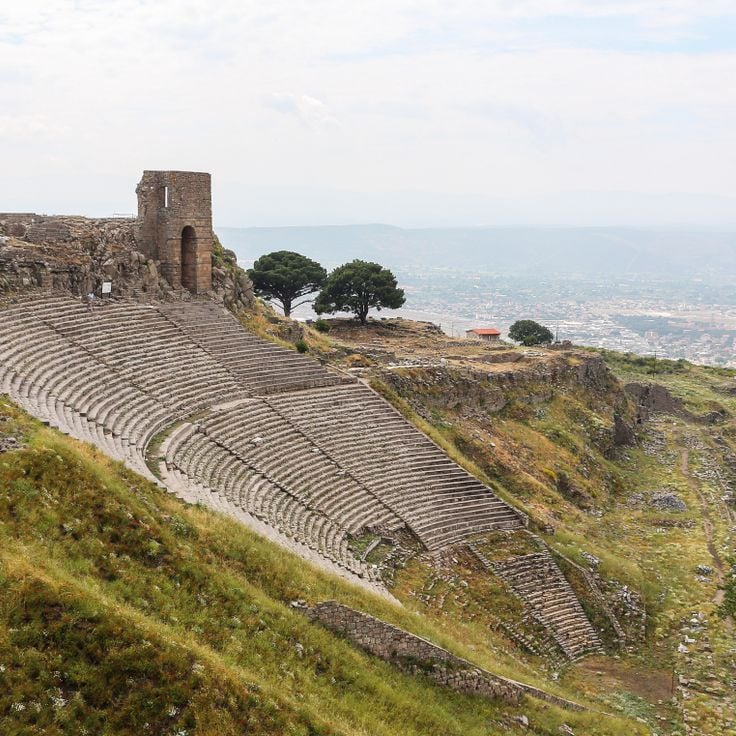
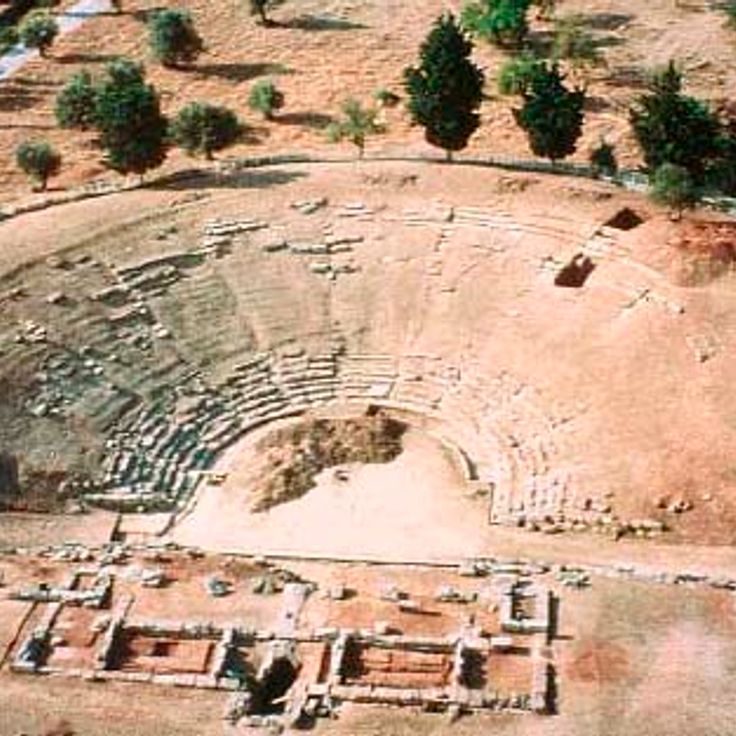
Ancient Greek theaters demonstrate skilled architecture developed between the 5th and 3rd centuries BC. Built into hillsides, these structures utilized natural terrain to create stone seating and enhance acoustic performance. They served as venues for tragedies and comedies, as well as gathering spaces during religious festivals and panhellenic games.
Most theaters are located in mainland Greece and on the islands, with notable examples such as Epidaurus in Argolis, renowned for its exceptional sound clarity, or the Theater of Dionysus in Athens, considered the cradle of Western theater where works by Aeschylus, Sophocles, and Euripides were performed. Additional sites are found across the eastern Mediterranean, including Miletus in present-day Turkey and Philippi in northern Greece. Some of these structures were modified during the Roman period, such as the Odeon of Herodes Atticus, which incorporated Roman architectural features while maintaining its function as a performance space. Many of these venues, which could seat between 5,000 and 18,000 spectators, remain important remnants of ancient Greek social and cultural life.
Ancient Greek theaters demonstrate skilled architecture developed between the 5th and 3rd centuries BC. Built into hillsides, these structures utilized natural terrain to create stone seating and enhance acoustic performance. They served as venues for tragedies and comedies, as well as gathering spaces during religious festivals and panhellenic games.
Most theaters are located in mainland Greece and on the islands, with notable examples such as Epidaurus in Argolis, renowned for its exceptional sound clarity, or the Theater of Dionysus in Athens, considered the cradle of Western theater where works by Aeschylus, Sophocles, and Euripides were performed. Additional sites are found across the eastern Mediterranean, including Miletus in present-day Turkey and Philippi in northern Greece. Some of these structures were modified during the Roman period, such as the Odeon of Herodes Atticus, which incorporated Roman architectural features while maintaining its function as a performance space. Many of these venues, which could seat between 5,000 and 18,000 spectators, remain important remnants of ancient Greek social and cultural life.
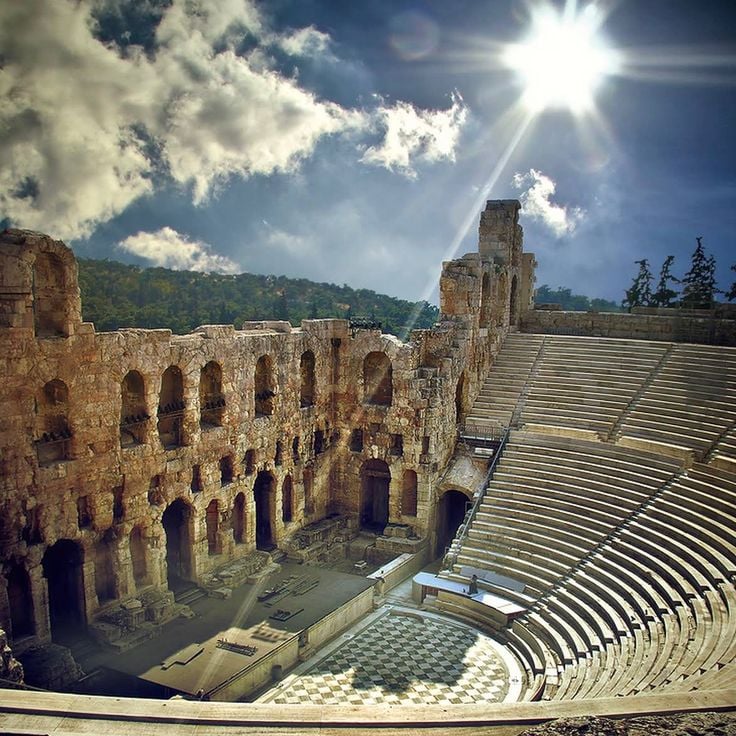
The Odeon of Herodes Atticus stands on the southwest slope of the Acropolis and was built in the second century AD. This ancient stone theater shows how Greek and Roman building traditions merged together. With seating for about five thousand people, it served as a venue for musical performances and displays Roman construction techniques such as the semicircular orchestra and the multistory stage building. As part of this collection of ancient theaters, it demonstrates how these structures functioned as gathering spaces and reflected the architectural knowledge of their time. Today it continues to host concerts and theatrical performances during the summer months.
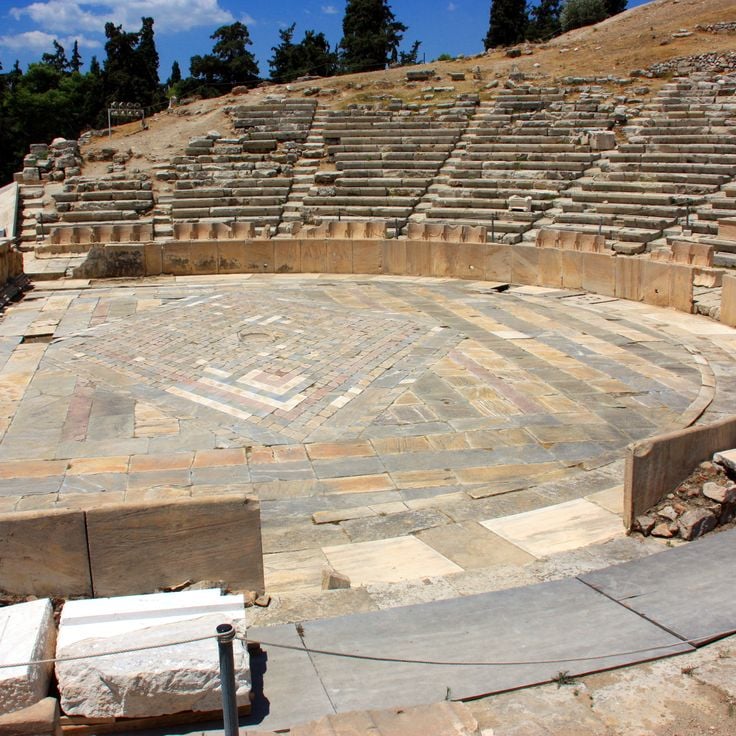
This theater on the southern slope of the Acropolis served as the performance venue for the dramas of Aeschylus, Sophocles and Euripides during the classical period. The structure originally accommodated roughly 17,000 spectators in a semicircular stone seating arrangement. The remains visible today date primarily from the fourth century BC and subsequent Roman modifications. In this collection of ancient theaters around the world, the Theatre of Dionysus represents the origins of Western drama and shows how the Greeks built performance spaces directly into their landscape.
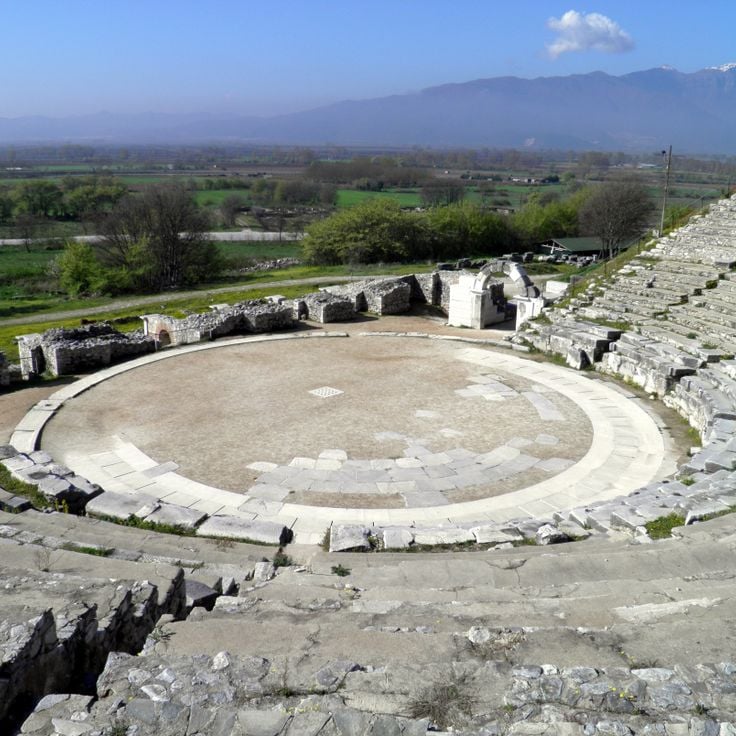
This ancient theater at Philippi was an important venue for dramatic performances in ancient times. Built into the natural hillside, it used the slope to enhance acoustics and could accommodate several thousand spectators. The preserved seating rows and orchestra area show the typical features of Greek theatrical architecture. Within this collection of ancient theaters around the world, this site demonstrates how communities used theater spaces for performances and gatherings.
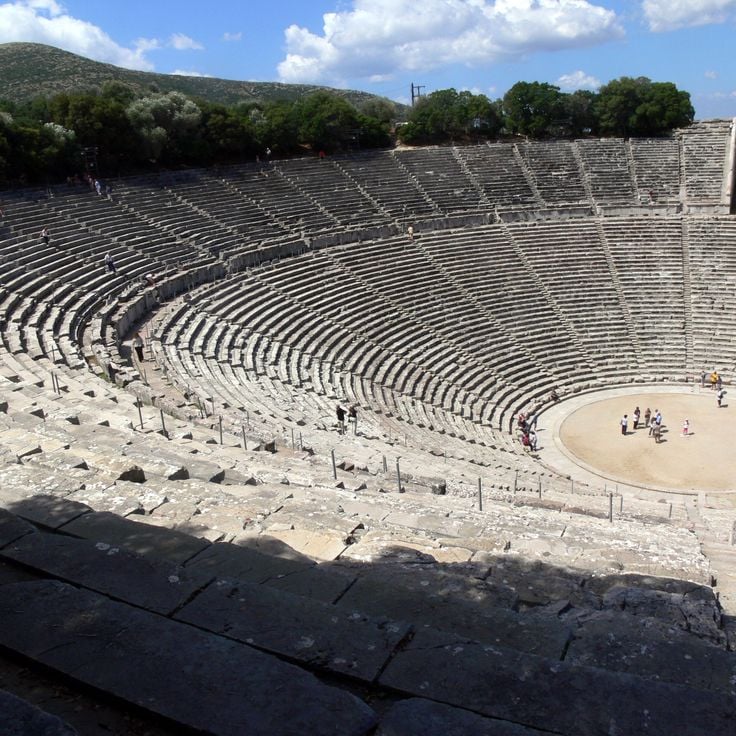
This theater was built in the late 4th century BCE by architect Polykleitos the Younger and remains the focal point of this ancient site. It demonstrates how the Greeks united architecture with natural topography. Epidaurus Theater accommodates approximately 14,000 spectators across 55 rows of stone seating built into a hillside. The acoustics here are remarkable, allowing spoken words to carry from the highest tier to the lowest. The structure served religious festivals honoring Asclepius, the healing god, and is one of the best preserved Greek theaters surviving today.
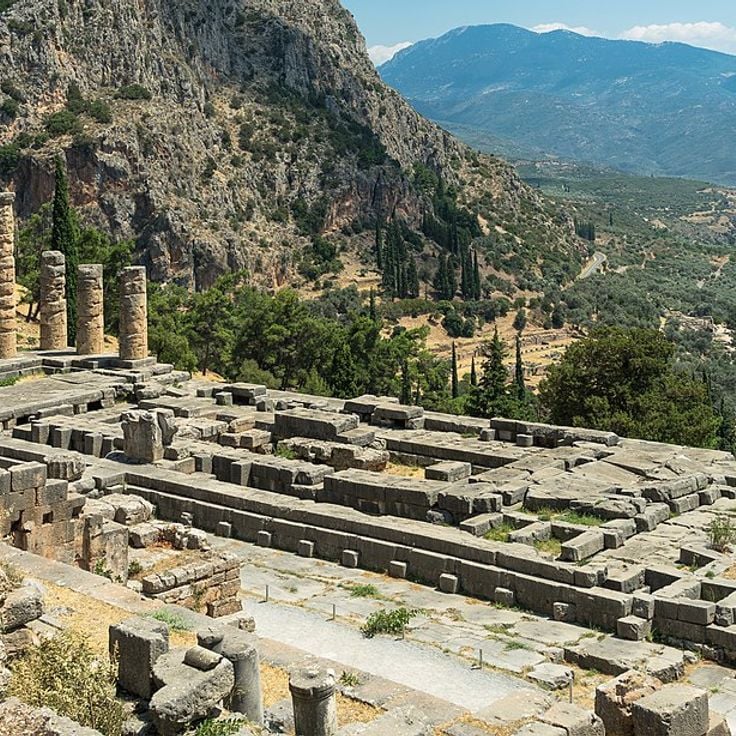
The Ancient Theatre of Delphi is one of the Greek theaters built in the 4th century BC that demonstrates the skilled architecture developed between the 5th and 3rd centuries BC. This theater sits on a hillside above the Sanctuary of Apollo and was built into the natural terrain. It has 35 rows of limestone seating and could hold around 5,000 spectators. The slope was used to improve sound quality and sightlines. The theater served as a venue for musical competitions during the Pythian Games. From the seats, you can see across the sanctuary and the surrounding mountains.
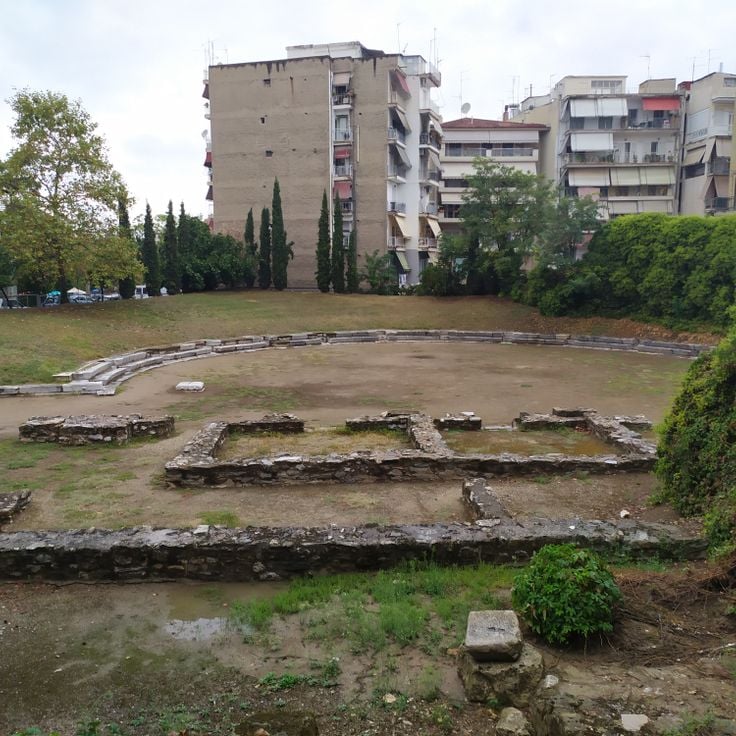
This ancient theatre was built in Larissa in the 3rd century BC using local marble. The structure takes advantage of the sloped hillside to create seating tiers and enhance acoustic properties. Built to hold about 10,000 spectators, the theatre served as a performance venue and gathering place for the community, displaying the skilled architectural design typical of Greek theatres from this period.
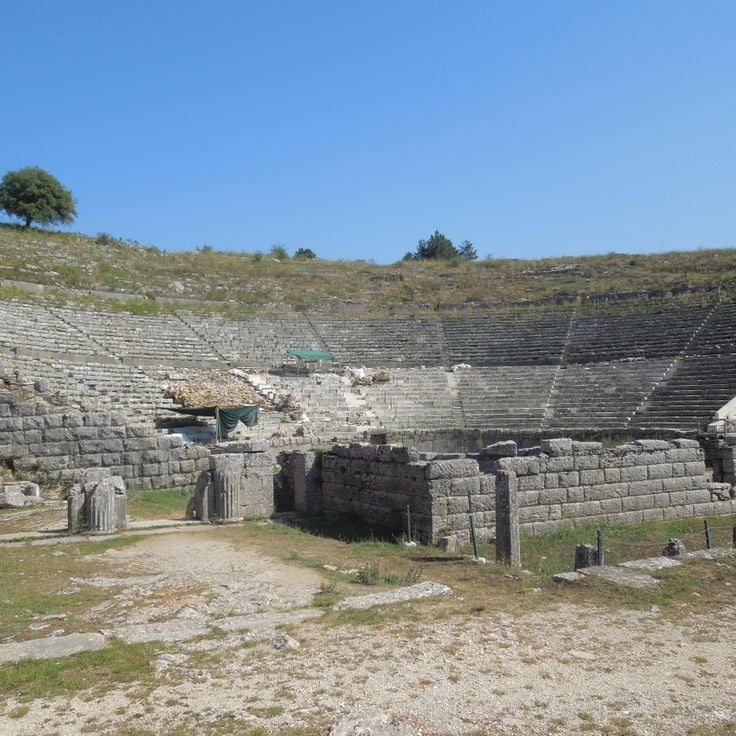
This ancient theater at Dodoni was built in the 3rd century BC and ranks among the largest theaters in this collection of ancient Greek performance venues. It held approximately 18,000 spectators across 55 rows and demonstrates the skilled architecture developed between the 5th and 3rd centuries BC. Like other theaters of its time, Dodoni was built into a hillside and used the natural terrain to create stone seating and improve sound quality. It functioned as a venue for tragedies and comedies and served as a gathering space during religious festivals and panhellenic games.
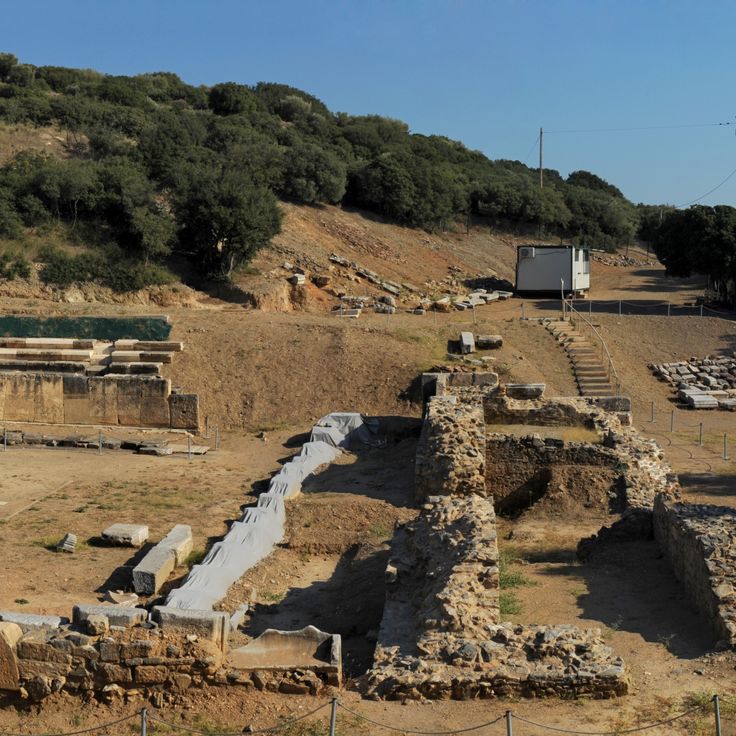
This theater in Maroneia was built into a hillside in the 4th century BC. It represents the architectural development of ancient Greek theaters that emerged between the 5th and 3rd centuries BC. Like other theaters in this collection, the builders used the natural terrain to create stone seating and enhance sound quality. The theater could hold around 2500 spectators and served as a venue for drama performances and as a gathering place during religious festivals.
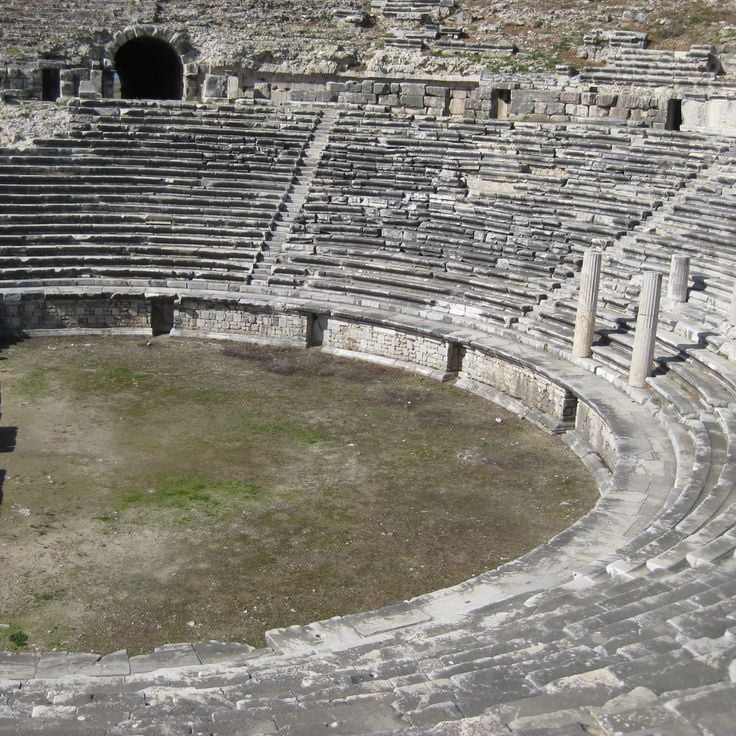
The Theater of Miletus holds an important place in this collection of ancient theaters around the world. Built in the 4th century BC, this structure could accommodate around 15,000 spectators and measured 140 meters in diameter. The theater was constructed using the architectural principles characteristic of Greek theaters, though Roman building techniques were later incorporated into its design. It served as a venue for the performance of tragedies and comedies, as well as a gathering space during religious festivals and public celebrations. Today, it stands as evidence of the artistic and social importance that theaters held in the ancient world.
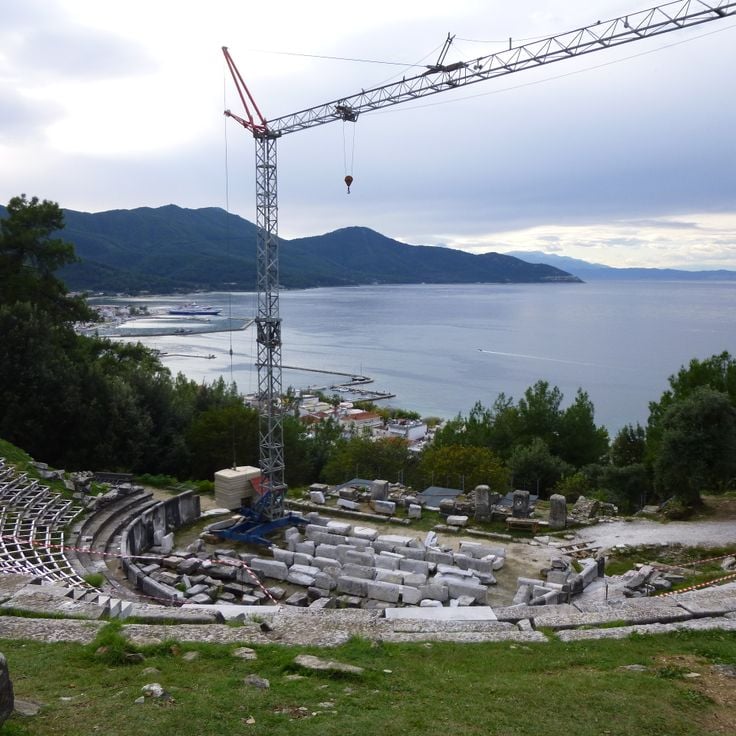
The Thassos Ancient Theatre is an example of Greek theater architecture from the 3rd century BC. With marble seating and capacity for about 2000 spectators, this theater served like many others in the ancient world as a venue for dramatic performances and as a gathering place during religious festivals. It demonstrates the skills of ancient builders who used hillsides to create seating areas and improve sound quality.
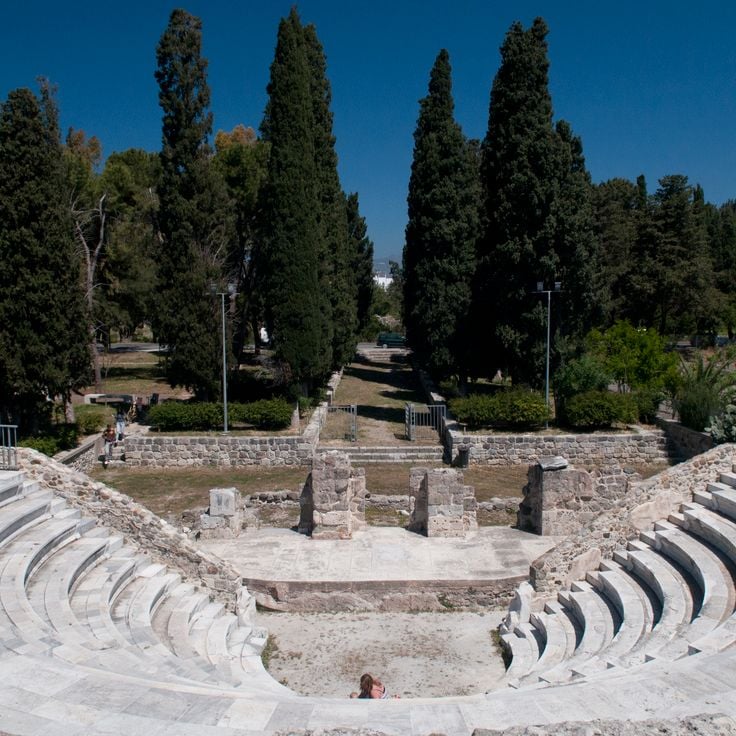
This Ancient Odeon of Kos in the collection of ancient theaters around the world represents a Roman theater with nine rows of marble seats and an orchestra measuring 11 meters in diameter. Built during the Roman period, it demonstrates how Roman builders adapted and modified earlier Greek theatrical designs while incorporating their own architectural techniques. The structure served as a performance venue where residents and visitors gathered to watch plays and participate in cultural events. It stands as evidence of how theatrical traditions continued and evolved across the Mediterranean.
The Megaron Gyzi is a cultural center housed in a 17th century mansion on this island. It contains collections of historical photographs and paintings that document the life and history of the island. The space brings together the architecture of the past with modern exhibitions, showing how such places today help preserve and share history.
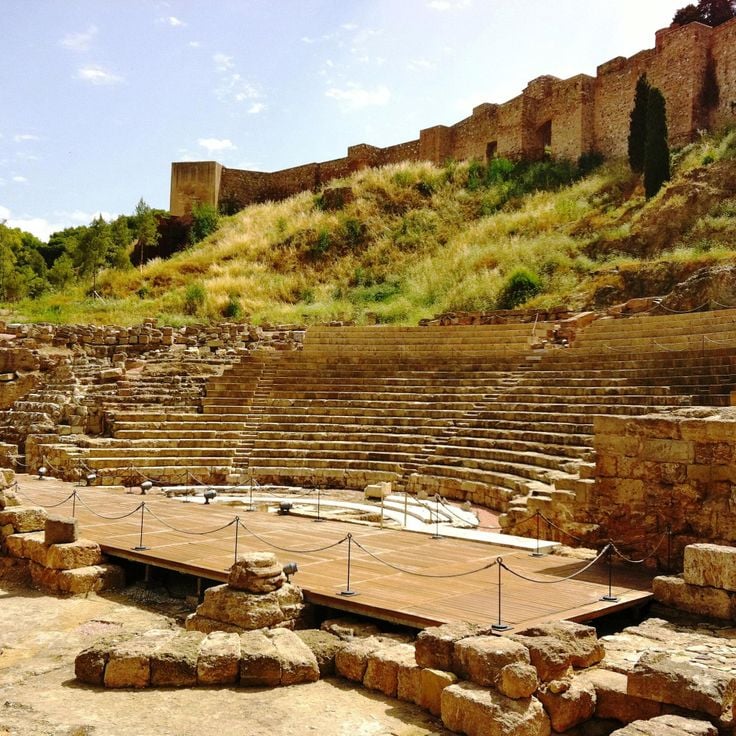
The Roman Theater of Malaga demonstrates in this collection of ancient theaters how Roman architects incorporated their own structural methods into existing landscapes. Built in the 1st century BC, this theater stands in the city center near the Alcazaba fortress. Constructed from stone, it held spectators for performances and public gatherings. The structure follows Roman building design with its characteristic arches and vaults that provided stability to the building.
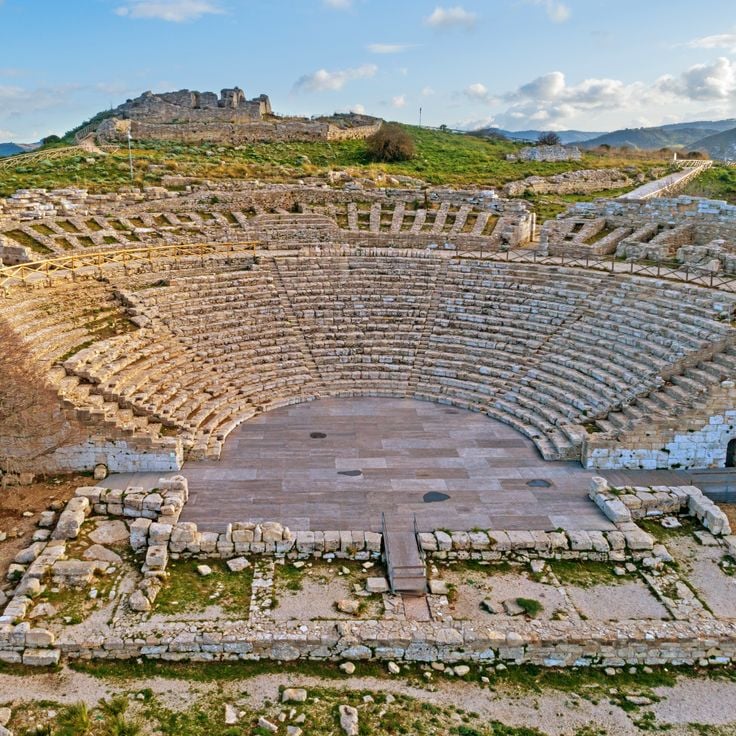
The Ancient Theatre of Segesta dates from the 3rd century BC and stands on Monte Barbaro with views of the Mediterranean Sea. This theater exemplifies Greek architectural skill developed between the 5th and 3rd centuries BC. Built into the hillside, the structure uses natural terrain to create stone seating while enhancing acoustic performance. It served as a venue for tragedies and comedies, as well as a gathering space during religious festivals and panhellenic games.
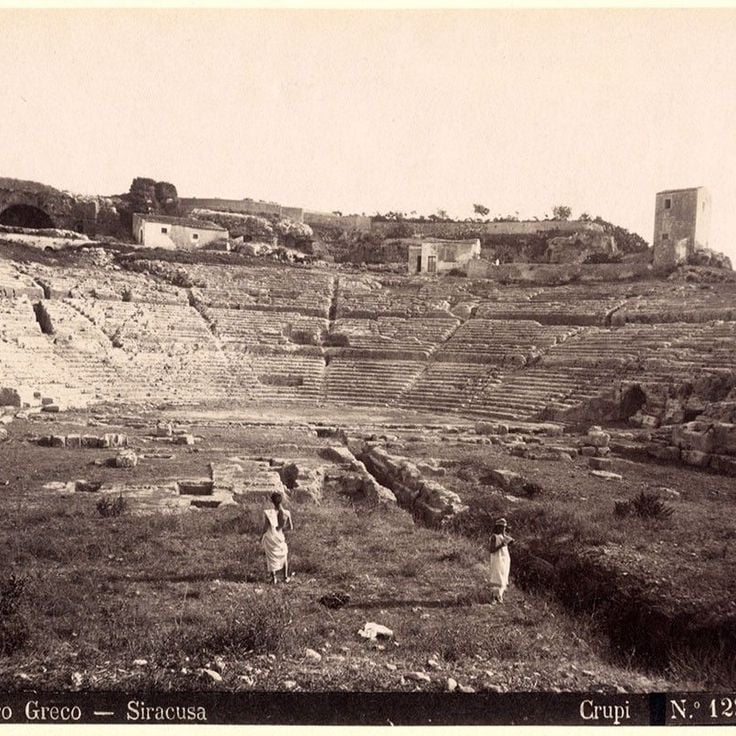
The Greek Theatre of Syracuse is an impressive structure carved directly from the limestone rock of Temenites hill in the 5th century BC. This theater demonstrates the skilled craftsmanship of ancient Greeks in using natural terrain for construction. Located in Sicily, it served as a venue for tragic and comic performances as well as religious festivals. The theater could accommodate several thousand spectators and exemplifies the architectural techniques developed between the 5th and 3rd centuries BC.
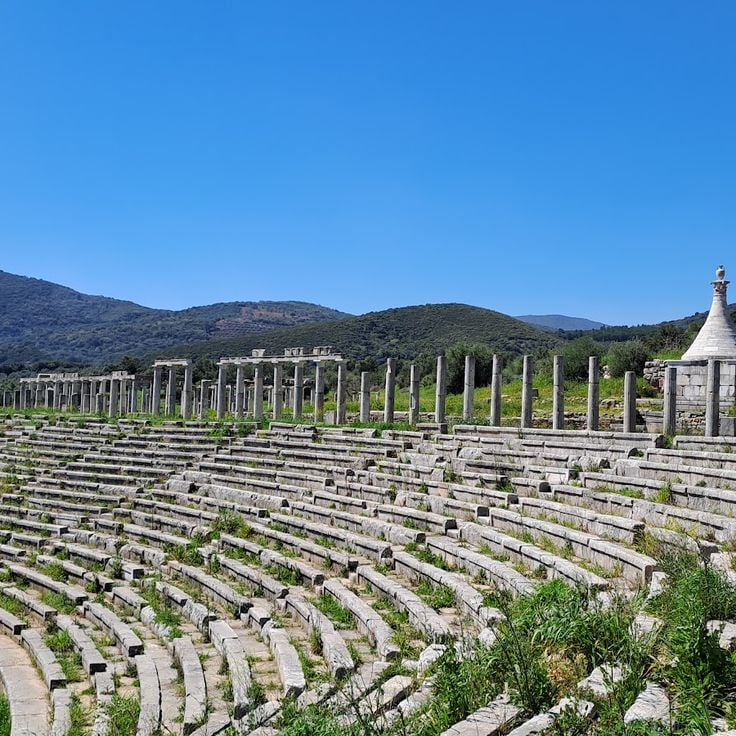
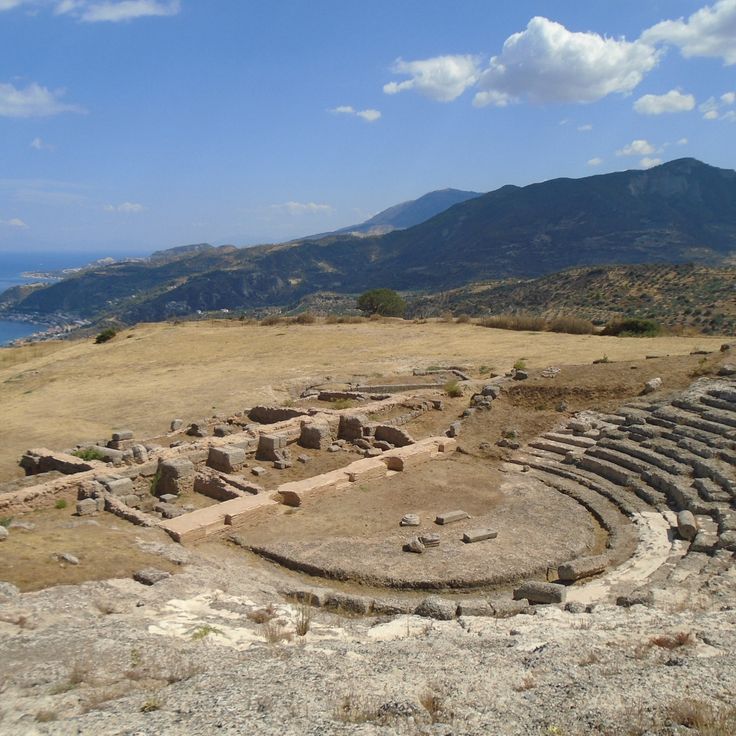
The Ancient Theatre of Messene was built in the 3rd century BC and demonstrates the architectural skill of Greek builders from that era. Constructed into a hillside, it uses the natural terrain to support stone seating. Remnants of the original stage building remain visible. This theater served as a venue for performances and as a gathering space during religious festivals. It stands as one of many surviving ancient Greek theaters that provide insight into the cultural and social life of antiquity.
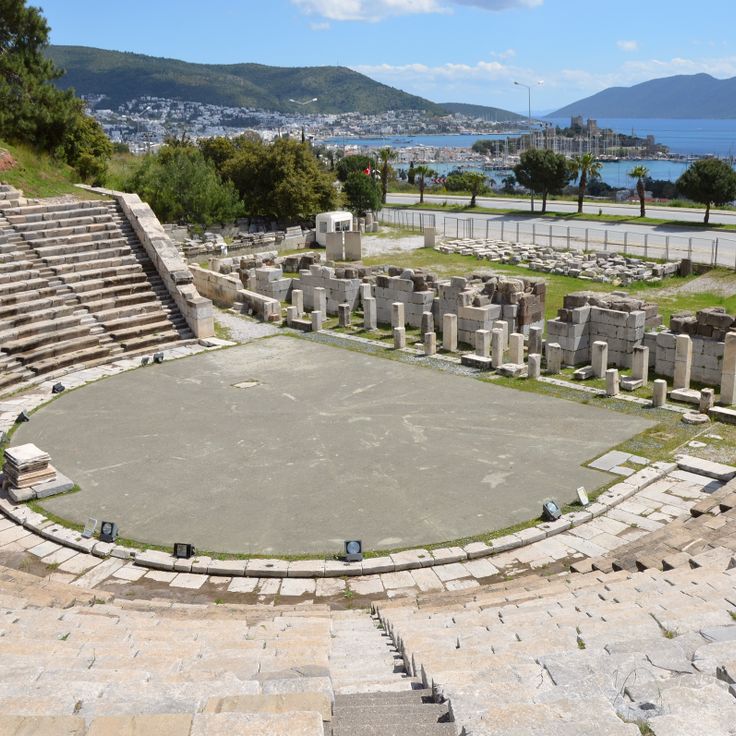
This ancient theater in Bodrum is part of a collection of theaters from the ancient world and shows how the Greeks built structures in the 4th century BC. The building was constructed into a hillside and could hold about 13,000 spectators. The theater combines Greek architecture with Roman changes that were made later. It was a place for performances and gatherings of the people who lived there.
This theater was built around 168 BC and demonstrates Greek construction methods that were common across the eastern Mediterranean during ancient times. The structure seated approximately 6,000 spectators and served as an important venue for performances and public gatherings. Many of its original stone elements remain intact, offering insight into the building techniques and craftsmanship of that era.
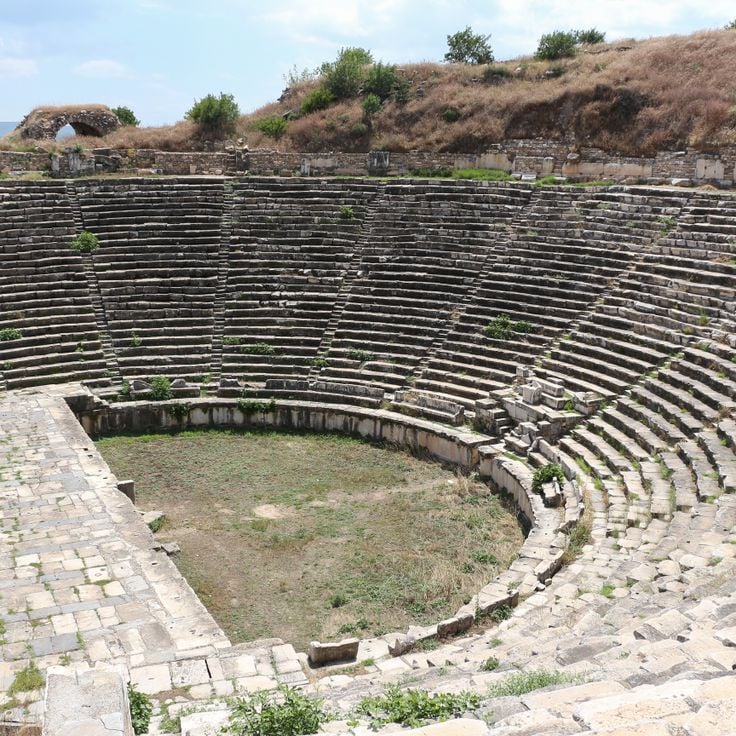
The Ancient Theatre of Aphrodisias was built in the 1st century BC and seated approximately 8,000 spectators. Built into a hillside, this stone structure took advantage of the natural terrain to create its seating areas. Sections of the original marble decorations remain visible today. This theatre exemplifies the architectural skills demonstrated by ancient Greek builders, who constructed similar venues across mainland Greece and the eastern Mediterranean to serve as spaces for dramatic performances and religious gatherings.
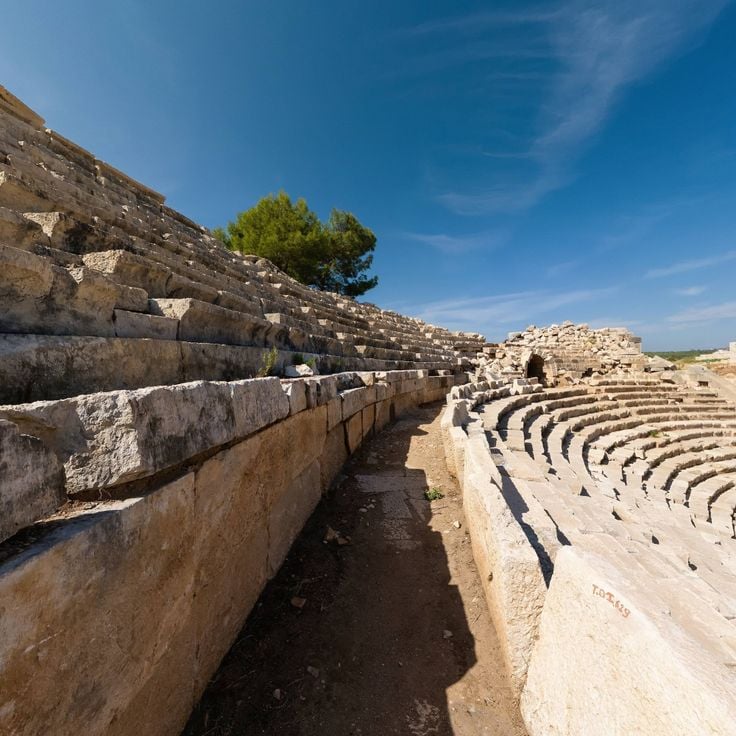
This theatre was built into a steep hillside in the 2nd century BC and could hold around 10,000 spectators. It shows how Greek builders created performance spaces by working with the natural slope of the land. The seating rows follow the contours of the mountain, and the design allowed sound to travel well through the space. Like other ancient Greek theaters, this venue hosted dramatic performances and served as a gathering place for the community.
This ancient theatre of Aigeira from the 3rd century BC sits on the northern slope of the acropolis. This theatre is part of the collection of ancient Greek theatres around the world, built between the 5th and 3rd centuries BC. Constructed into the hillside, this structure used natural terrain to create stone seating and improve acoustics. The theatre served as a venue for performances and a gathering place during religious festivals. Its stone seats could hold around 3000 spectators with views overlooking the Corinthian Gulf.
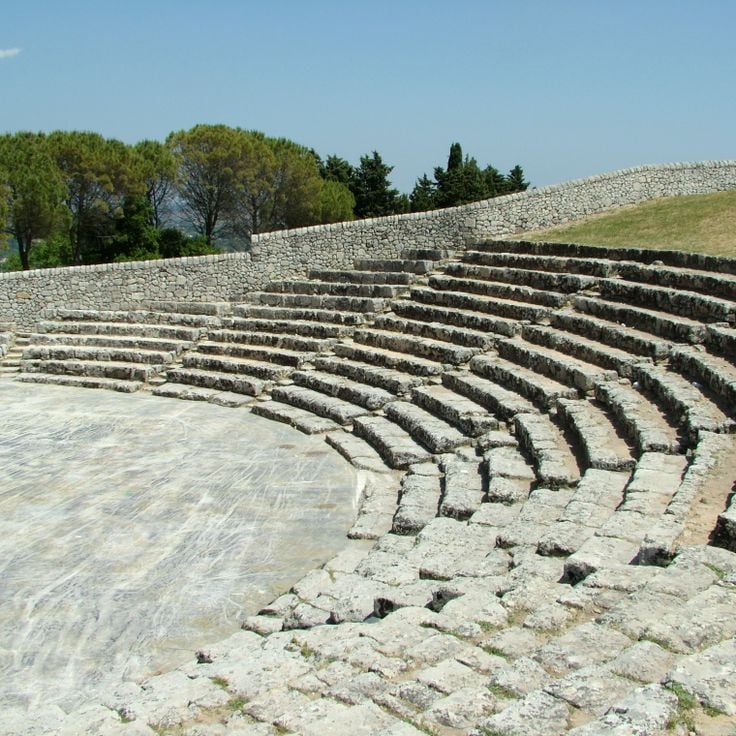
The Akrai Theatre is an ancient Greek theater built in Sicily during the 3rd century BC. This site represents an important example of Greek theatrical architecture, demonstrating the skilled stone construction techniques of antiquity. The theater was built into the hillside, utilizing the natural terrain to create stone seating and improve sound quality. It served as a venue for dramatic performances and as a gathering space for the local community. The structure features nine rows of seats arranged in sectors, allowing spectators to move between different sections.
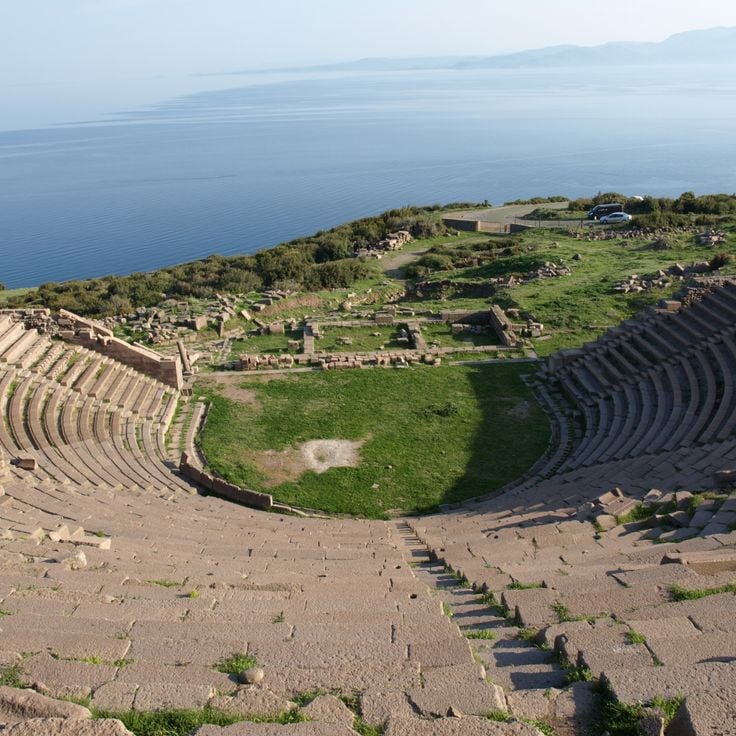
The Theatre of Assos was built in the 3rd century BC and overlooks the Aegean Sea. This structure shows the skilled Greek architecture developed between the 5th and 3rd centuries BC. The theatre has 20 rows of seats and could hold about 5000 people. It served as a venue for performances and religious gatherings, similar to other ancient Greek theaters across the eastern Mediterranean.
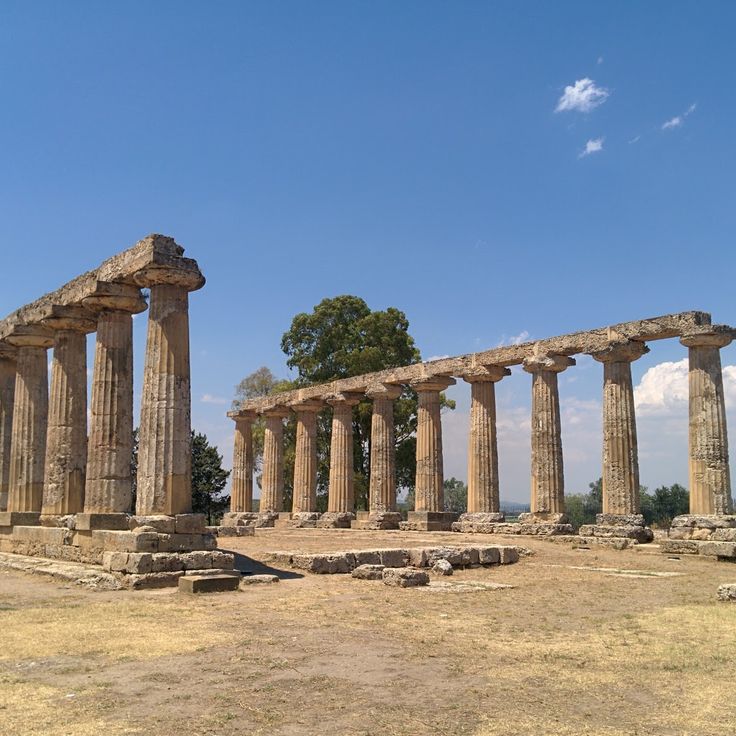
The Theatre of Metapontum dates from the 4th century BC and demonstrates how ancient Greeks built their performance spaces into the natural terrain. The stone seating is divided by walkways, and archaeological remains show that regular performances and ceremonies took place here. This theatre is part of the broader collection of ancient Greek theaters built between the 5th and 3rd centuries BC, which served as venues for plays, comedies, and religious celebrations.
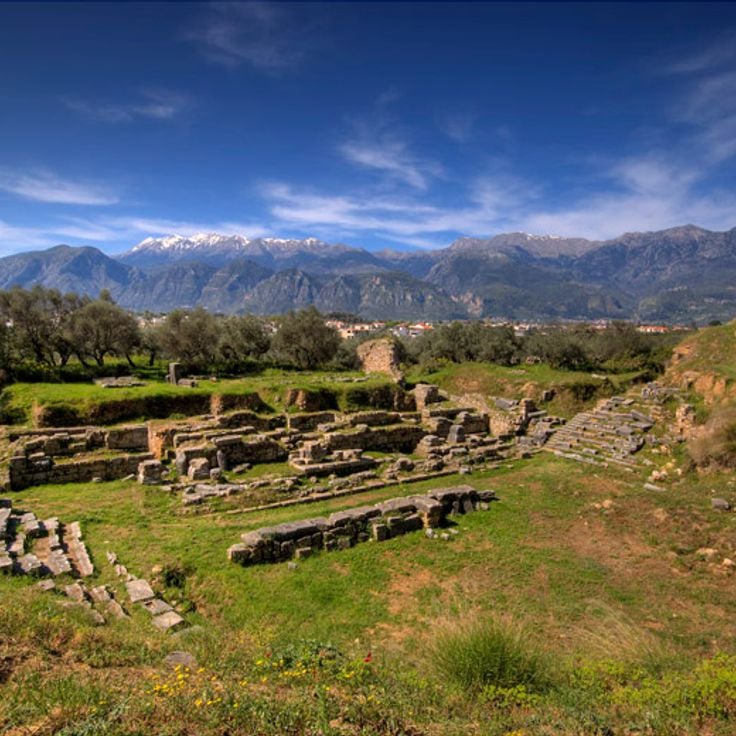
The ancient Theatre of Sparta displays skilled construction from the classical period of ancient Greece. The stone structure retains original seating sections and foundation walls from this era. This theatre fits within the collection of ancient Greek theatres, which were built between the 5th and 3rd centuries BC. These structures were constructed into hillsides and used natural terrain to create stone seating and improve sound quality. They served as venues for tragedies and comedies, as well as gathering spaces during religious festivals and games.
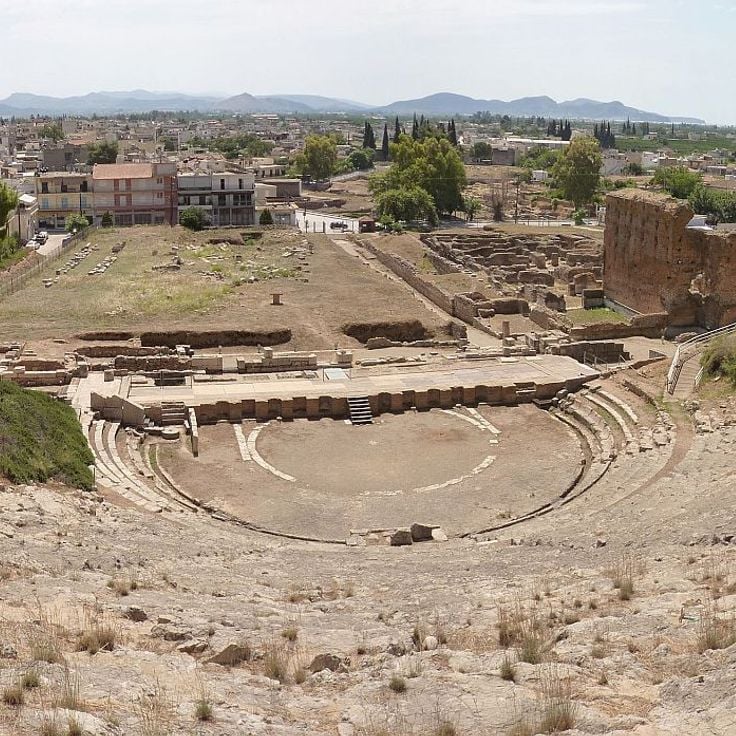
The Ancient Theatre of Argos is part of a collection of ancient Greek theaters built between the 5th and 3rd centuries BC. It stands near the ancient agora with carved stone seats that could accommodate around 20,000 spectators during classical performances. These theaters were built into hillsides and used natural terrain to create stone seating and improve sound quality. They served as venues for tragedies and comedies, as well as gathering places during religious festivals and panhellenic games.
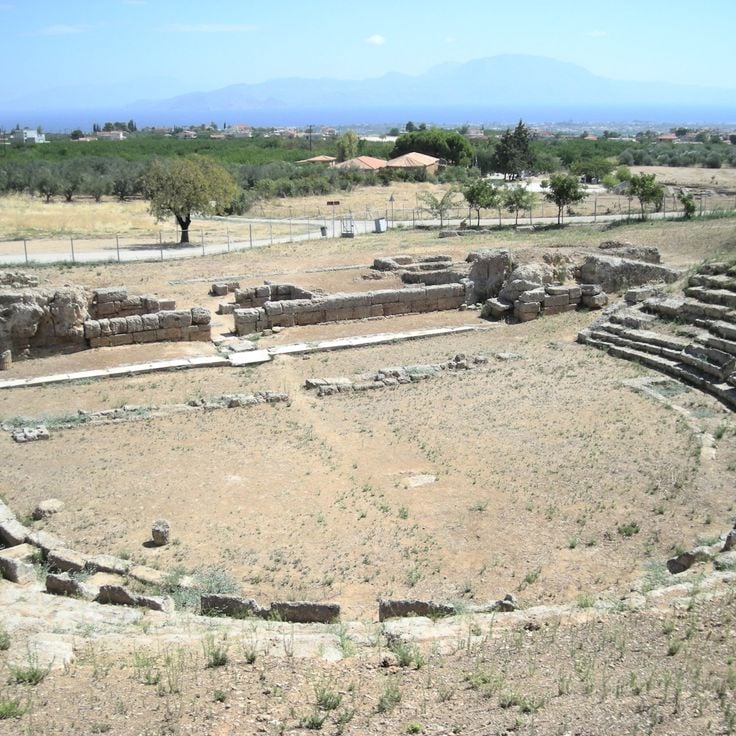
The Theatre of Sicyon demonstrates the building skill of the ancient Greeks. Built into a hillside between the 5th and 3rd centuries BC, this theatre used natural terrain to create stone seating and enhance sound quality. The venue hosted tragedies and comedies as well as gatherings during religious festivals. The remaining stone seating areas and orchestra space reveal the craftsmanship of its builders.
The Ancient Theatre of Eretria is a venue where Greek communities gathered for drama, music and religious celebrations. Situated on the island of Euboea, this stone structure displays typical theatre features including carved seats, an orchestra circle and remains of the ancient stage building. Built between the 5th and 3rd centuries BC, it shows how builders used the hillside terrain to create seating and improve how sound carried through the space. The theatre reflects the architectural skill and cultural importance of performance in ancient Greek society.
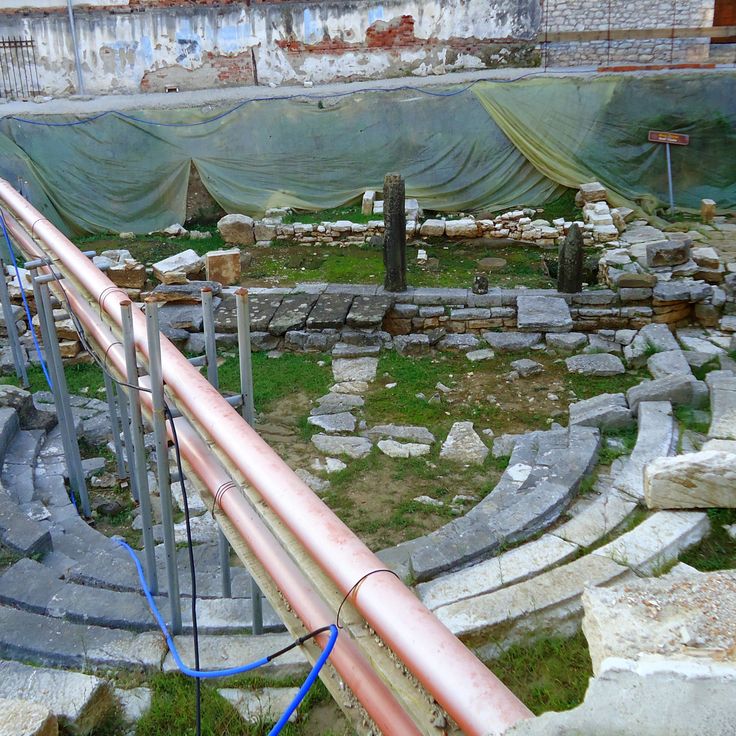
The Theatre of Ambracia is a Greek theater from the 3rd century BC built into a natural hillside to accommodate about 3,000 spectators. The surviving remains include parts of the orchestra, stage building, and stone seating rows, which demonstrate the typical construction methods of ancient Greek theater architecture. This theater is one of the important remnants of ancient Greek life and shows the craftsmanship developed between the 5th and 3rd centuries BC.
The Odeon of Herodes Atticus stands on the southwest slope of the Acropolis and was built in the second century AD. This ancient stone theater shows how Greek and Roman building traditions merged together. With seating for about five thousand people, it served as a venue for musical performances and displays Roman construction techniques such as the semicircular orchestra and the multistory stage building. As part of this collection of ancient theaters, it demonstrates how these structures functioned as gathering spaces and reflected the architectural knowledge of their time. Today it continues to host concerts and theatrical performances during the summer months.
This theater on the southern slope of the Acropolis served as the performance venue for the dramas of Aeschylus, Sophocles and Euripides during the classical period. The structure originally accommodated roughly 17,000 spectators in a semicircular stone seating arrangement. The remains visible today date primarily from the fourth century BC and subsequent Roman modifications. In this collection of ancient theaters around the world, the Theatre of Dionysus represents the origins of Western drama and shows how the Greeks built performance spaces directly into their landscape.
This ancient theater at Philippi was an important venue for dramatic performances in ancient times. Built into the natural hillside, it used the slope to enhance acoustics and could accommodate several thousand spectators. The preserved seating rows and orchestra area show the typical features of Greek theatrical architecture. Within this collection of ancient theaters around the world, this site demonstrates how communities used theater spaces for performances and gatherings.
This theater was built in the late 4th century BCE by architect Polykleitos the Younger and remains the focal point of this ancient site. It demonstrates how the Greeks united architecture with natural topography. Epidaurus Theater accommodates approximately 14,000 spectators across 55 rows of stone seating built into a hillside. The acoustics here are remarkable, allowing spoken words to carry from the highest tier to the lowest. The structure served religious festivals honoring Asclepius, the healing god, and is one of the best preserved Greek theaters surviving today.
The Ancient Theatre of Delphi is one of the Greek theaters built in the 4th century BC that demonstrates the skilled architecture developed between the 5th and 3rd centuries BC. This theater sits on a hillside above the Sanctuary of Apollo and was built into the natural terrain. It has 35 rows of limestone seating and could hold around 5,000 spectators. The slope was used to improve sound quality and sightlines. The theater served as a venue for musical competitions during the Pythian Games. From the seats, you can see across the sanctuary and the surrounding mountains.
This ancient theatre was built in Larissa in the 3rd century BC using local marble. The structure takes advantage of the sloped hillside to create seating tiers and enhance acoustic properties. Built to hold about 10,000 spectators, the theatre served as a performance venue and gathering place for the community, displaying the skilled architectural design typical of Greek theatres from this period.
This ancient theater at Dodoni was built in the 3rd century BC and ranks among the largest theaters in this collection of ancient Greek performance venues. It held approximately 18,000 spectators across 55 rows and demonstrates the skilled architecture developed between the 5th and 3rd centuries BC. Like other theaters of its time, Dodoni was built into a hillside and used the natural terrain to create stone seating and improve sound quality. It functioned as a venue for tragedies and comedies and served as a gathering space during religious festivals and panhellenic games.
This theater in Maroneia was built into a hillside in the 4th century BC. It represents the architectural development of ancient Greek theaters that emerged between the 5th and 3rd centuries BC. Like other theaters in this collection, the builders used the natural terrain to create stone seating and enhance sound quality. The theater could hold around 2500 spectators and served as a venue for drama performances and as a gathering place during religious festivals.
The Theater of Miletus holds an important place in this collection of ancient theaters around the world. Built in the 4th century BC, this structure could accommodate around 15,000 spectators and measured 140 meters in diameter. The theater was constructed using the architectural principles characteristic of Greek theaters, though Roman building techniques were later incorporated into its design. It served as a venue for the performance of tragedies and comedies, as well as a gathering space during religious festivals and public celebrations. Today, it stands as evidence of the artistic and social importance that theaters held in the ancient world.
The Thassos Ancient Theatre is an example of Greek theater architecture from the 3rd century BC. With marble seating and capacity for about 2000 spectators, this theater served like many others in the ancient world as a venue for dramatic performances and as a gathering place during religious festivals. It demonstrates the skills of ancient builders who used hillsides to create seating areas and improve sound quality.
This Ancient Odeon of Kos in the collection of ancient theaters around the world represents a Roman theater with nine rows of marble seats and an orchestra measuring 11 meters in diameter. Built during the Roman period, it demonstrates how Roman builders adapted and modified earlier Greek theatrical designs while incorporating their own architectural techniques. The structure served as a performance venue where residents and visitors gathered to watch plays and participate in cultural events. It stands as evidence of how theatrical traditions continued and evolved across the Mediterranean.
The Megaron Gyzi is a cultural center housed in a 17th century mansion on this island. It contains collections of historical photographs and paintings that document the life and history of the island. The space brings together the architecture of the past with modern exhibitions, showing how such places today help preserve and share history.
The Roman Theater of Malaga demonstrates in this collection of ancient theaters how Roman architects incorporated their own structural methods into existing landscapes. Built in the 1st century BC, this theater stands in the city center near the Alcazaba fortress. Constructed from stone, it held spectators for performances and public gatherings. The structure follows Roman building design with its characteristic arches and vaults that provided stability to the building.
The Ancient Theatre of Segesta dates from the 3rd century BC and stands on Monte Barbaro with views of the Mediterranean Sea. This theater exemplifies Greek architectural skill developed between the 5th and 3rd centuries BC. Built into the hillside, the structure uses natural terrain to create stone seating while enhancing acoustic performance. It served as a venue for tragedies and comedies, as well as a gathering space during religious festivals and panhellenic games.
The Greek Theatre of Syracuse is an impressive structure carved directly from the limestone rock of Temenites hill in the 5th century BC. This theater demonstrates the skilled craftsmanship of ancient Greeks in using natural terrain for construction. Located in Sicily, it served as a venue for tragic and comic performances as well as religious festivals. The theater could accommodate several thousand spectators and exemplifies the architectural techniques developed between the 5th and 3rd centuries BC.
The Ancient Theatre of Messene was built in the 3rd century BC and demonstrates the architectural skill of Greek builders from that era. Constructed into a hillside, it uses the natural terrain to support stone seating. Remnants of the original stage building remain visible. This theater served as a venue for performances and as a gathering space during religious festivals. It stands as one of many surviving ancient Greek theaters that provide insight into the cultural and social life of antiquity.
This ancient theater in Bodrum is part of a collection of theaters from the ancient world and shows how the Greeks built structures in the 4th century BC. The building was constructed into a hillside and could hold about 13,000 spectators. The theater combines Greek architecture with Roman changes that were made later. It was a place for performances and gatherings of the people who lived there.
This theater was built around 168 BC and demonstrates Greek construction methods that were common across the eastern Mediterranean during ancient times. The structure seated approximately 6,000 spectators and served as an important venue for performances and public gatherings. Many of its original stone elements remain intact, offering insight into the building techniques and craftsmanship of that era.
The Ancient Theatre of Aphrodisias was built in the 1st century BC and seated approximately 8,000 spectators. Built into a hillside, this stone structure took advantage of the natural terrain to create its seating areas. Sections of the original marble decorations remain visible today. This theatre exemplifies the architectural skills demonstrated by ancient Greek builders, who constructed similar venues across mainland Greece and the eastern Mediterranean to serve as spaces for dramatic performances and religious gatherings.
This theatre was built into a steep hillside in the 2nd century BC and could hold around 10,000 spectators. It shows how Greek builders created performance spaces by working with the natural slope of the land. The seating rows follow the contours of the mountain, and the design allowed sound to travel well through the space. Like other ancient Greek theaters, this venue hosted dramatic performances and served as a gathering place for the community.
This ancient theatre of Aigeira from the 3rd century BC sits on the northern slope of the acropolis. This theatre is part of the collection of ancient Greek theatres around the world, built between the 5th and 3rd centuries BC. Constructed into the hillside, this structure used natural terrain to create stone seating and improve acoustics. The theatre served as a venue for performances and a gathering place during religious festivals. Its stone seats could hold around 3000 spectators with views overlooking the Corinthian Gulf.
The Akrai Theatre is an ancient Greek theater built in Sicily during the 3rd century BC. This site represents an important example of Greek theatrical architecture, demonstrating the skilled stone construction techniques of antiquity. The theater was built into the hillside, utilizing the natural terrain to create stone seating and improve sound quality. It served as a venue for dramatic performances and as a gathering space for the local community. The structure features nine rows of seats arranged in sectors, allowing spectators to move between different sections.
The Theatre of Assos was built in the 3rd century BC and overlooks the Aegean Sea. This structure shows the skilled Greek architecture developed between the 5th and 3rd centuries BC. The theatre has 20 rows of seats and could hold about 5000 people. It served as a venue for performances and religious gatherings, similar to other ancient Greek theaters across the eastern Mediterranean.
The Theatre of Metapontum dates from the 4th century BC and demonstrates how ancient Greeks built their performance spaces into the natural terrain. The stone seating is divided by walkways, and archaeological remains show that regular performances and ceremonies took place here. This theatre is part of the broader collection of ancient Greek theaters built between the 5th and 3rd centuries BC, which served as venues for plays, comedies, and religious celebrations.
The ancient Theatre of Sparta displays skilled construction from the classical period of ancient Greece. The stone structure retains original seating sections and foundation walls from this era. This theatre fits within the collection of ancient Greek theatres, which were built between the 5th and 3rd centuries BC. These structures were constructed into hillsides and used natural terrain to create stone seating and improve sound quality. They served as venues for tragedies and comedies, as well as gathering spaces during religious festivals and games.
The Ancient Theatre of Argos is part of a collection of ancient Greek theaters built between the 5th and 3rd centuries BC. It stands near the ancient agora with carved stone seats that could accommodate around 20,000 spectators during classical performances. These theaters were built into hillsides and used natural terrain to create stone seating and improve sound quality. They served as venues for tragedies and comedies, as well as gathering places during religious festivals and panhellenic games.
The Theatre of Sicyon demonstrates the building skill of the ancient Greeks. Built into a hillside between the 5th and 3rd centuries BC, this theatre used natural terrain to create stone seating and enhance sound quality. The venue hosted tragedies and comedies as well as gatherings during religious festivals. The remaining stone seating areas and orchestra space reveal the craftsmanship of its builders.
The Ancient Theatre of Eretria is a venue where Greek communities gathered for drama, music and religious celebrations. Situated on the island of Euboea, this stone structure displays typical theatre features including carved seats, an orchestra circle and remains of the ancient stage building. Built between the 5th and 3rd centuries BC, it shows how builders used the hillside terrain to create seating and improve how sound carried through the space. The theatre reflects the architectural skill and cultural importance of performance in ancient Greek society.
The Theatre of Ambracia is a Greek theater from the 3rd century BC built into a natural hillside to accommodate about 3,000 spectators. The surviving remains include parts of the orchestra, stage building, and stone seating rows, which demonstrate the typical construction methods of ancient Greek theater architecture. This theater is one of the important remnants of ancient Greek life and shows the craftsmanship developed between the 5th and 3rd centuries BC.
The Odeon of Herodes Atticus stands on the southwest slope of the Acropolis and was built in the second century AD. This ancient stone theater shows how Greek and Roman building traditions merged together. With seating for about five thousand people, it served as a venue for musical performances and displays Roman construction techniques such as the semicircular orchestra and the multistory stage building. As part of this collection of ancient theaters, it demonstrates how these structures functioned as gathering spaces and reflected the architectural knowledge of their time. Today it continues to host concerts and theatrical performances during the summer months.
This theater on the southern slope of the Acropolis served as the performance venue for the dramas of Aeschylus, Sophocles and Euripides during the classical period. The structure originally accommodated roughly 17,000 spectators in a semicircular stone seating arrangement. The remains visible today date primarily from the fourth century BC and subsequent Roman modifications. In this collection of ancient theaters around the world, the Theatre of Dionysus represents the origins of Western drama and shows how the Greeks built performance spaces directly into their landscape.
This ancient theater at Philippi was an important venue for dramatic performances in ancient times. Built into the natural hillside, it used the slope to enhance acoustics and could accommodate several thousand spectators. The preserved seating rows and orchestra area show the typical features of Greek theatrical architecture. Within this collection of ancient theaters around the world, this site demonstrates how communities used theater spaces for performances and gatherings.
This theater was built in the late 4th century BCE by architect Polykleitos the Younger and remains the focal point of this ancient site. It demonstrates how the Greeks united architecture with natural topography. Epidaurus Theater accommodates approximately 14,000 spectators across 55 rows of stone seating built into a hillside. The acoustics here are remarkable, allowing spoken words to carry from the highest tier to the lowest. The structure served religious festivals honoring Asclepius, the healing god, and is one of the best preserved Greek theaters surviving today.
The Ancient Theatre of Delphi is one of the Greek theaters built in the 4th century BC that demonstrates the skilled architecture developed between the 5th and 3rd centuries BC. This theater sits on a hillside above the Sanctuary of Apollo and was built into the natural terrain. It has 35 rows of limestone seating and could hold around 5,000 spectators. The slope was used to improve sound quality and sightlines. The theater served as a venue for musical competitions during the Pythian Games. From the seats, you can see across the sanctuary and the surrounding mountains.
This ancient theatre was built in Larissa in the 3rd century BC using local marble. The structure takes advantage of the sloped hillside to create seating tiers and enhance acoustic properties. Built to hold about 10,000 spectators, the theatre served as a performance venue and gathering place for the community, displaying the skilled architectural design typical of Greek theatres from this period.
This ancient theater at Dodoni was built in the 3rd century BC and ranks among the largest theaters in this collection of ancient Greek performance venues. It held approximately 18,000 spectators across 55 rows and demonstrates the skilled architecture developed between the 5th and 3rd centuries BC. Like other theaters of its time, Dodoni was built into a hillside and used the natural terrain to create stone seating and improve sound quality. It functioned as a venue for tragedies and comedies and served as a gathering space during religious festivals and panhellenic games.
This theater in Maroneia was built into a hillside in the 4th century BC. It represents the architectural development of ancient Greek theaters that emerged between the 5th and 3rd centuries BC. Like other theaters in this collection, the builders used the natural terrain to create stone seating and enhance sound quality. The theater could hold around 2500 spectators and served as a venue for drama performances and as a gathering place during religious festivals.
The Theater of Miletus holds an important place in this collection of ancient theaters around the world. Built in the 4th century BC, this structure could accommodate around 15,000 spectators and measured 140 meters in diameter. The theater was constructed using the architectural principles characteristic of Greek theaters, though Roman building techniques were later incorporated into its design. It served as a venue for the performance of tragedies and comedies, as well as a gathering space during religious festivals and public celebrations. Today, it stands as evidence of the artistic and social importance that theaters held in the ancient world.
The Thassos Ancient Theatre is an example of Greek theater architecture from the 3rd century BC. With marble seating and capacity for about 2000 spectators, this theater served like many others in the ancient world as a venue for dramatic performances and as a gathering place during religious festivals. It demonstrates the skills of ancient builders who used hillsides to create seating areas and improve sound quality.
This Ancient Odeon of Kos in the collection of ancient theaters around the world represents a Roman theater with nine rows of marble seats and an orchestra measuring 11 meters in diameter. Built during the Roman period, it demonstrates how Roman builders adapted and modified earlier Greek theatrical designs while incorporating their own architectural techniques. The structure served as a performance venue where residents and visitors gathered to watch plays and participate in cultural events. It stands as evidence of how theatrical traditions continued and evolved across the Mediterranean.
The Megaron Gyzi is a cultural center housed in a 17th century mansion on this island. It contains collections of historical photographs and paintings that document the life and history of the island. The space brings together the architecture of the past with modern exhibitions, showing how such places today help preserve and share history.
The Roman Theater of Malaga demonstrates in this collection of ancient theaters how Roman architects incorporated their own structural methods into existing landscapes. Built in the 1st century BC, this theater stands in the city center near the Alcazaba fortress. Constructed from stone, it held spectators for performances and public gatherings. The structure follows Roman building design with its characteristic arches and vaults that provided stability to the building.
The Ancient Theatre of Segesta dates from the 3rd century BC and stands on Monte Barbaro with views of the Mediterranean Sea. This theater exemplifies Greek architectural skill developed between the 5th and 3rd centuries BC. Built into the hillside, the structure uses natural terrain to create stone seating while enhancing acoustic performance. It served as a venue for tragedies and comedies, as well as a gathering space during religious festivals and panhellenic games.
The Greek Theatre of Syracuse is an impressive structure carved directly from the limestone rock of Temenites hill in the 5th century BC. This theater demonstrates the skilled craftsmanship of ancient Greeks in using natural terrain for construction. Located in Sicily, it served as a venue for tragic and comic performances as well as religious festivals. The theater could accommodate several thousand spectators and exemplifies the architectural techniques developed between the 5th and 3rd centuries BC.
The Ancient Theatre of Messene was built in the 3rd century BC and demonstrates the architectural skill of Greek builders from that era. Constructed into a hillside, it uses the natural terrain to support stone seating. Remnants of the original stage building remain visible. This theater served as a venue for performances and as a gathering space during religious festivals. It stands as one of many surviving ancient Greek theaters that provide insight into the cultural and social life of antiquity.
This ancient theater in Bodrum is part of a collection of theaters from the ancient world and shows how the Greeks built structures in the 4th century BC. The building was constructed into a hillside and could hold about 13,000 spectators. The theater combines Greek architecture with Roman changes that were made later. It was a place for performances and gatherings of the people who lived there.
This theater was built around 168 BC and demonstrates Greek construction methods that were common across the eastern Mediterranean during ancient times. The structure seated approximately 6,000 spectators and served as an important venue for performances and public gatherings. Many of its original stone elements remain intact, offering insight into the building techniques and craftsmanship of that era.
The Ancient Theatre of Aphrodisias was built in the 1st century BC and seated approximately 8,000 spectators. Built into a hillside, this stone structure took advantage of the natural terrain to create its seating areas. Sections of the original marble decorations remain visible today. This theatre exemplifies the architectural skills demonstrated by ancient Greek builders, who constructed similar venues across mainland Greece and the eastern Mediterranean to serve as spaces for dramatic performances and religious gatherings.
This theatre was built into a steep hillside in the 2nd century BC and could hold around 10,000 spectators. It shows how Greek builders created performance spaces by working with the natural slope of the land. The seating rows follow the contours of the mountain, and the design allowed sound to travel well through the space. Like other ancient Greek theaters, this venue hosted dramatic performances and served as a gathering place for the community.
This ancient theatre of Aigeira from the 3rd century BC sits on the northern slope of the acropolis. This theatre is part of the collection of ancient Greek theatres around the world, built between the 5th and 3rd centuries BC. Constructed into the hillside, this structure used natural terrain to create stone seating and improve acoustics. The theatre served as a venue for performances and a gathering place during religious festivals. Its stone seats could hold around 3000 spectators with views overlooking the Corinthian Gulf.
The Akrai Theatre is an ancient Greek theater built in Sicily during the 3rd century BC. This site represents an important example of Greek theatrical architecture, demonstrating the skilled stone construction techniques of antiquity. The theater was built into the hillside, utilizing the natural terrain to create stone seating and improve sound quality. It served as a venue for dramatic performances and as a gathering space for the local community. The structure features nine rows of seats arranged in sectors, allowing spectators to move between different sections.
The Theatre of Assos was built in the 3rd century BC and overlooks the Aegean Sea. This structure shows the skilled Greek architecture developed between the 5th and 3rd centuries BC. The theatre has 20 rows of seats and could hold about 5000 people. It served as a venue for performances and religious gatherings, similar to other ancient Greek theaters across the eastern Mediterranean.
The Theatre of Metapontum dates from the 4th century BC and demonstrates how ancient Greeks built their performance spaces into the natural terrain. The stone seating is divided by walkways, and archaeological remains show that regular performances and ceremonies took place here. This theatre is part of the broader collection of ancient Greek theaters built between the 5th and 3rd centuries BC, which served as venues for plays, comedies, and religious celebrations.
The ancient Theatre of Sparta displays skilled construction from the classical period of ancient Greece. The stone structure retains original seating sections and foundation walls from this era. This theatre fits within the collection of ancient Greek theatres, which were built between the 5th and 3rd centuries BC. These structures were constructed into hillsides and used natural terrain to create stone seating and improve sound quality. They served as venues for tragedies and comedies, as well as gathering spaces during religious festivals and games.
The Ancient Theatre of Argos is part of a collection of ancient Greek theaters built between the 5th and 3rd centuries BC. It stands near the ancient agora with carved stone seats that could accommodate around 20,000 spectators during classical performances. These theaters were built into hillsides and used natural terrain to create stone seating and improve sound quality. They served as venues for tragedies and comedies, as well as gathering places during religious festivals and panhellenic games.
The Theatre of Sicyon demonstrates the building skill of the ancient Greeks. Built into a hillside between the 5th and 3rd centuries BC, this theatre used natural terrain to create stone seating and enhance sound quality. The venue hosted tragedies and comedies as well as gatherings during religious festivals. The remaining stone seating areas and orchestra space reveal the craftsmanship of its builders.
The Ancient Theatre of Eretria is a venue where Greek communities gathered for drama, music and religious celebrations. Situated on the island of Euboea, this stone structure displays typical theatre features including carved seats, an orchestra circle and remains of the ancient stage building. Built between the 5th and 3rd centuries BC, it shows how builders used the hillside terrain to create seating and improve how sound carried through the space. The theatre reflects the architectural skill and cultural importance of performance in ancient Greek society.
The Theatre of Ambracia is a Greek theater from the 3rd century BC built into a natural hillside to accommodate about 3,000 spectators. The surviving remains include parts of the orchestra, stage building, and stone seating rows, which demonstrate the typical construction methods of ancient Greek theater architecture. This theater is one of the important remnants of ancient Greek life and shows the craftsmanship developed between the 5th and 3rd centuries BC.