Ancient Theatre of Epidaurus, Greek theatre in Epidaurus, Greece
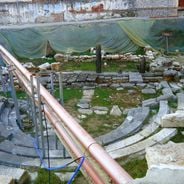
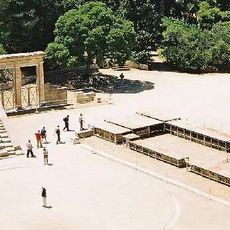
The Ancient Theatre of Epidaurus is a Hellenistic theatre with a theatron, a circular orchestra 20 m across, and a partly preserved skene. The auditorium is split by a 1.82 m horizontal corridor into a lower section of 12 wedge-shaped blocks and an upper section of 22. The lowest rows of both sections form presidency seats for important people.
Pausanias records that the architect Polykleitos the Younger built the theatre at the end of the 4th century BCE, around 340–300 BCE, within the sanctuary of Asclepius. It held 13,000 to 14,000 spectators for musical, singing and dramatic contests in the god's cult, and was also used to treat patients, since watching dramas was believed to benefit mental and physical health. Unlike many Greek theatres, it underwent no modifications in Roman times. The first modern performance was Sophocles' Electra in 1938, directed by Dimitris Rontiris with Katina Paxinou and Eleni Papadaki; performances resumed in 1954 and became an annual festival from 1955.
The theatre hosts the Athens and Epidaurus Festival, where ancient dramas and contemporary works have been performed for decades during the summer months. Visitors can observe how the same stone rows that once held thousands still serve as seating for theatrical performances today.
The theatre sits on a hillside, offering better views of the entire structure from the upper rows while lower sections bring you closer to the stage area. Wear sturdy shoes and bring water, as climbing the rows can be tiring and shaded areas are limited.
The theatre's acoustics are so precisely engineered that a whisper from the stage reaches the back row clearly, even though it sits more than 60 meters away. This happens because the architect built specific mathematical proportions and angles into the design to carry sound naturally throughout the space.
The community of curious travelers
AroundUs brings together thousands of curated places, local tips, and hidden gems, enriched daily by 92,883 contributors worldwide.