Ancient Theatre of Halicarnassus
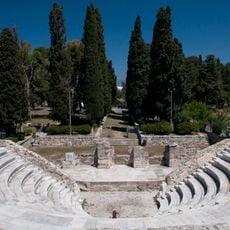
Ancient Theatre of Halicarnassus, Roman theatre in Bodrum, Turkey.
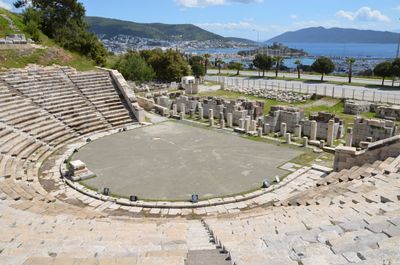
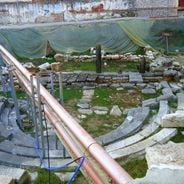
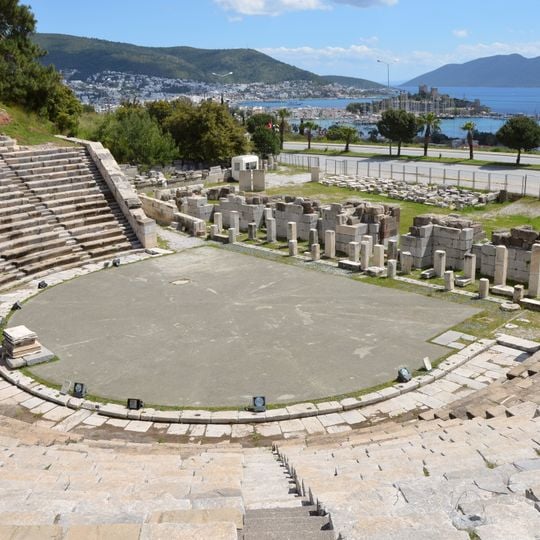
The Ancient Theatre of Halicarnassus is a 2,000-year-old structure in Bodrum built into a hillside that rises in stepped levels. The site preserves sections of original stone seating and a circular performance area at its center, where entertainment once took place.
The theatre was built in the 4th century BC under King Mausolos, when the city was a thriving harbor town. Centuries later, during Roman rule, the structure was rebuilt and adapted to Roman architectural styles.
The theatre served as a central meeting place for residents of Halicarnassus, where they gathered for performances, celebrations, and public assemblies. People from the city came here to spend time together and participate in events that shaped community life.
The site is open daily from sunrise to sunset and can be explored on your own without a guide. Wear sturdy shoes, as steep steps and uneven ground make walking challenging throughout.
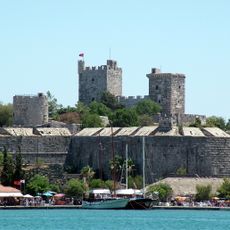
From the upper levels, you have a direct view of Bodrum Castle, the medieval fortress that overlooks the coast. This unusual pairing allows visitors to experience 2,000 years of history in one location.
Location: Bodrum
Location: Muğla Province
GPS coordinates: 37.04012,27.42154
Latest update: December 6, 2025 17:41
Ancient Greek theaters demonstrate skilled architecture developed between the 5th and 3rd centuries BC. Built into hillsides, these structures utilized natural terrain to create stone seating and enhance acoustic performance. They served as venues for tragedies and comedies, as well as gathering spaces during religious festivals and panhellenic games. Most theaters are located in mainland Greece and on the islands, with notable examples such as Epidaurus in Argolis, renowned for its exceptional sound clarity, or the Theater of Dionysus in Athens, considered the cradle of Western theater where works by Aeschylus, Sophocles, and Euripides were performed. Additional sites are found across the eastern Mediterranean, including Miletus in present-day Turkey and Philippi in northern Greece. Some of these structures were modified during the Roman period, such as the Odeon of Herodes Atticus, which incorporated Roman architectural features while maintaining its function as a performance space. Many of these venues, which could seat between 5,000 and 18,000 spectators, remain important remnants of ancient Greek social and cultural life.
Bodrum Castle
1.2 km
Tree of Hippocrates
19.9 km
Neratzia
19.8 km
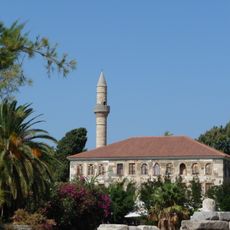
Defterdar Kos Mosque
20.2 km
Ancient Odeon of Kos
20.7 km
Gazi Hasan Pasha Mosque
22 km
Casa Romana
20.5 km
Myndos Gate
773 m
Ancient agora of Kos
20.1 km
Bodrum Museum of Underwater Archaeology
1.1 km
Gazi Hassan Pasha Mosque
19.9 km
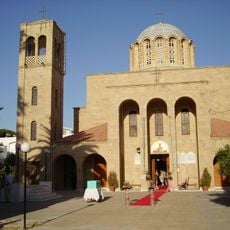
St. Nicholas Cathedral
20.2 km
House of the fascists
20.2 km
Cathedral of Kos and Nisyros
20 km
Ancient stadium of Kos
20.3 km
Bab Gedid Mosque
20.5 km
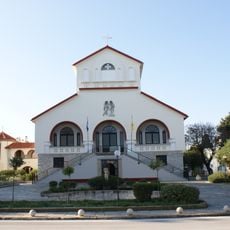
Church of Agia Paraskevi (Kos)
20.2 km
Bodrum Beach
2.1 km
Eastern Coastal Building
19.9 km
Bardakçı koyu
1.3 km
Gate of taxes
20.1 km
Panagia Gorgoepikoos (Kos)
19.9 km
St. Georg Arrenagogeiou
19.9 km
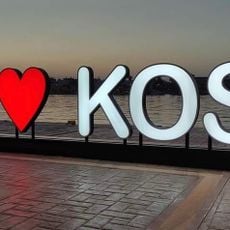
"I love Kos" Sign
20 km
Church of St Ioannes Naukleros, Kos (City)
19.9 km
Torba Beach
5.8 km
Agora - Port of Kos
20 km
Equestrian Statue of Kolokotronis, Kos
20.3 kmVisited this place? Tap the stars to rate it and share your experience / photos with the community! Try now! You can cancel it anytime.
Discover hidden gems everywhere you go!
From secret cafés to breathtaking viewpoints, skip the crowded tourist spots and find places that match your style. Our app makes it easy with voice search, smart filtering, route optimization, and insider tips from travelers worldwide. Download now for the complete mobile experience.
A unique approach to discovering new places❞
— Le Figaro
All the places worth exploring❞
— France Info
A tailor-made excursion in just a few clicks❞
— 20 Minutes