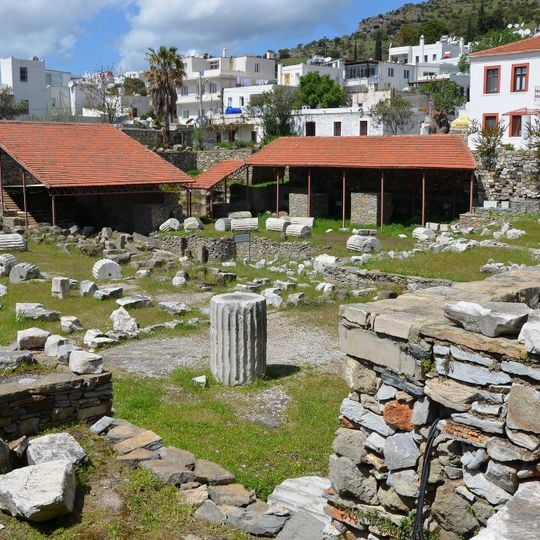
Halicarnassus, Archaeological ruins in Bodrum, Turkey
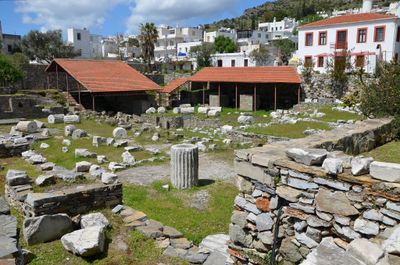
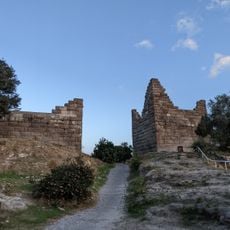
Halicarnassus is an ancient Greek city site in Bodrum in the Turkish province of Muğla, where today mainly foundations and scattered stone blocks are visible on a hillside above the modern town center. The largest visible remains belong to a monument that once stood several stories high above the harbor city, and its base still shows the rectangular floor plan.
The monument was built between 353 and 351 before Christ as a burial place for the Carian satrap Mausolus and his wife Artemisia, who completed the construction after his death. An earthquake in the 13th century destroyed the structure for good, after it had already been damaged centuries earlier.
The original name comes from the Carian ruler Mausolus, whose tomb became so famous that his name later described all similar monuments. Today visitors see remains of Greek architecture that blended Persian and Anatolian traditions, and the term still survives in modern Turkish as a loanword.
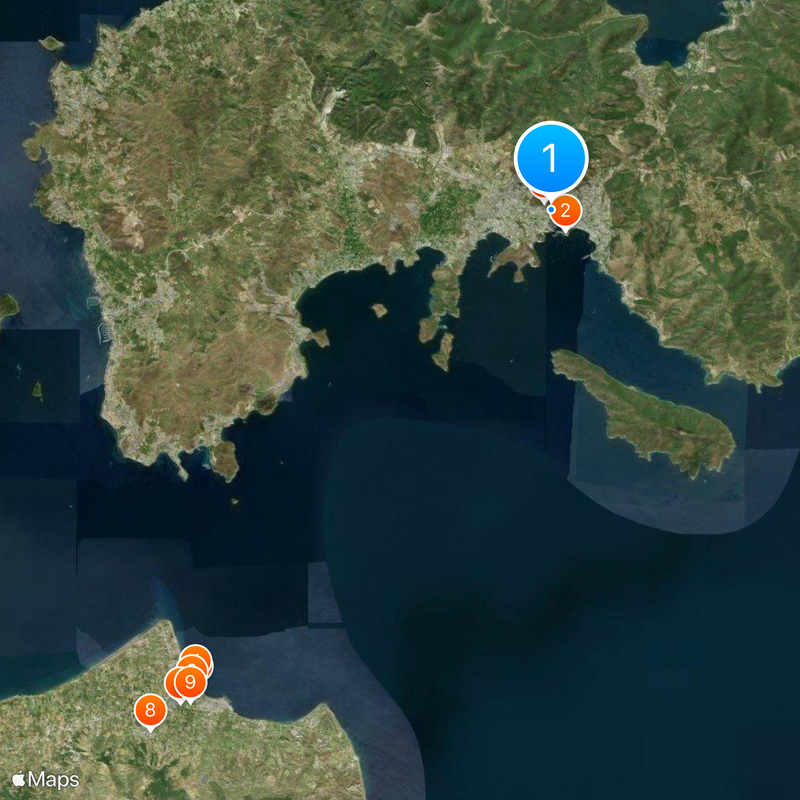
The hillside with the ruins is within walking distance from the modern Bodrum harbor, and signs point the way to the entrance of the fenced area. Good footwear helps on the uneven ground, and shade is limited, so a visit in the early morning or late afternoon can be more comfortable.
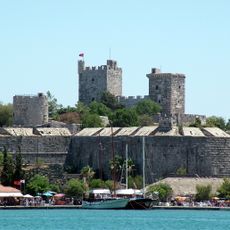
A vessel with inscriptions from the Persian king Xerxes I was found at the western staircase, confirming the close connection between the Carian rulers and the Achaemenid Empire. Individual fragments of the monument traveled to London and are now in the British Museum, while other parts were built into the nearby castle of Bodrum.
The community of curious travelers
AroundUs brings together thousands of curated places, local tips, and hidden gems, enriched daily by 91,391 contributors worldwide.