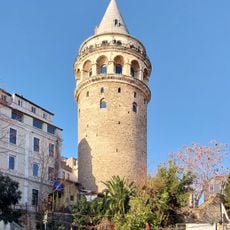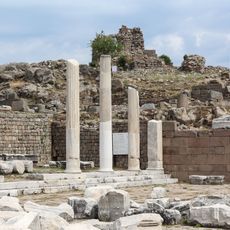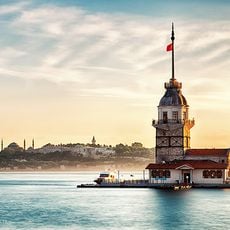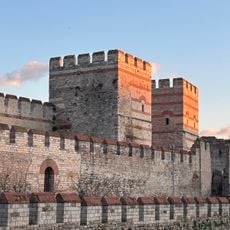
Turkey, Transcontinental country in Western Asia and Southeastern Europe.
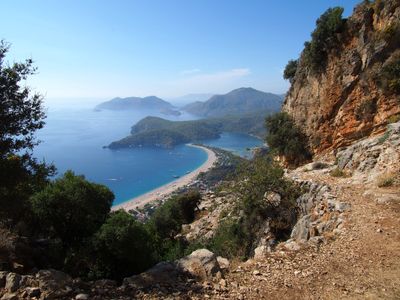
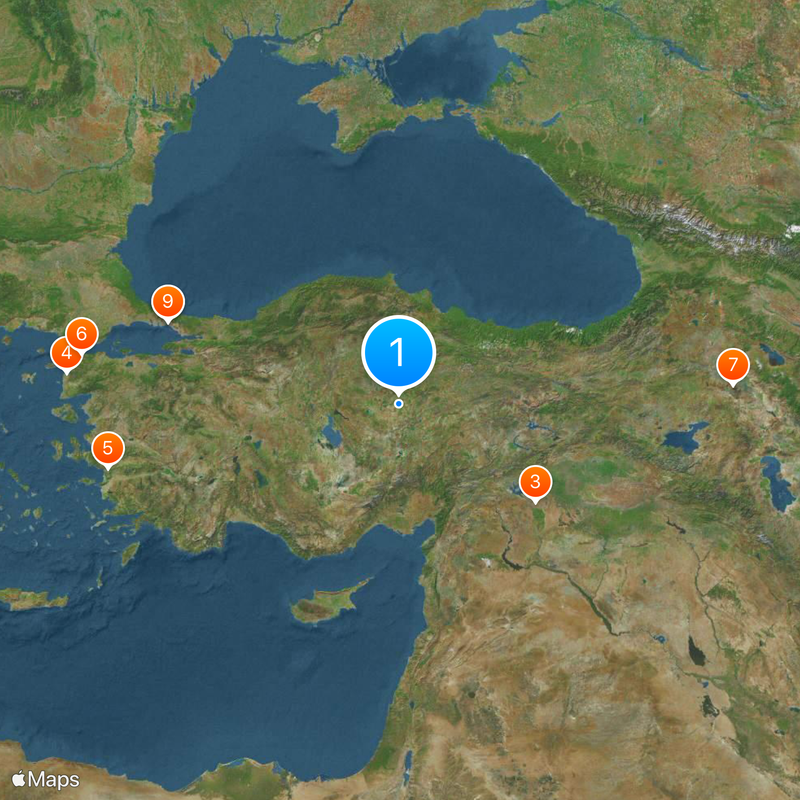
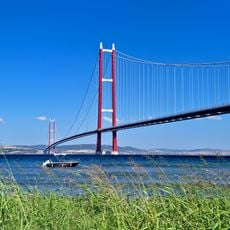
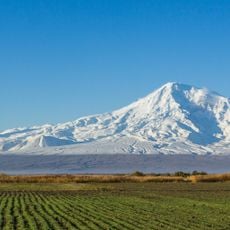
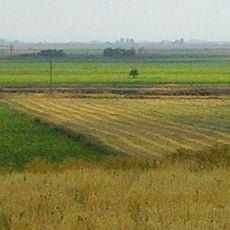
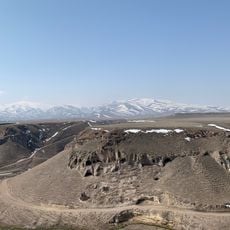
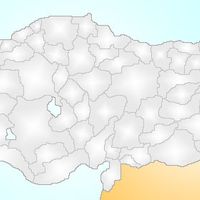
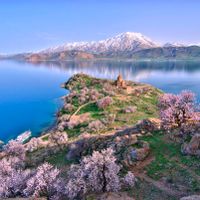
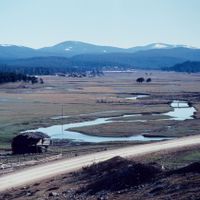
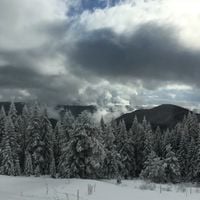
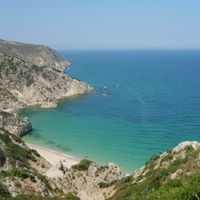
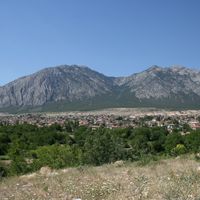
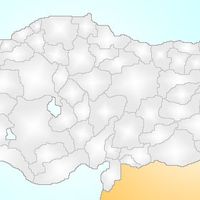
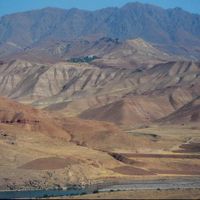
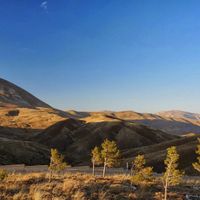
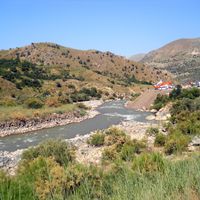
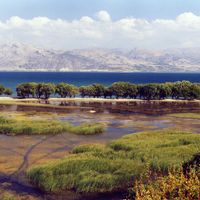
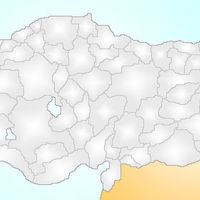
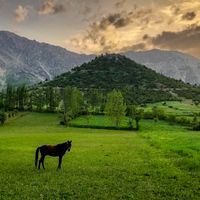
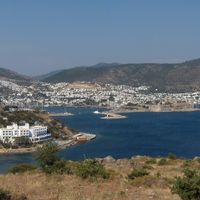
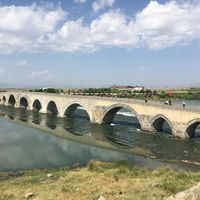
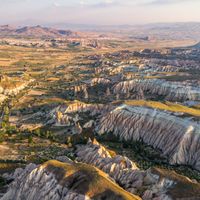
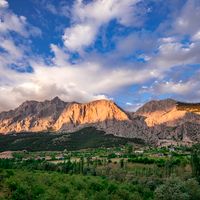
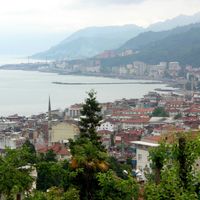
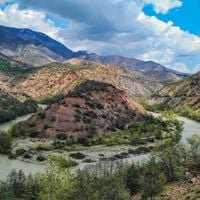
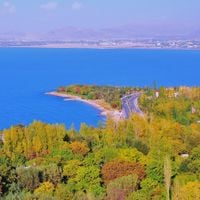
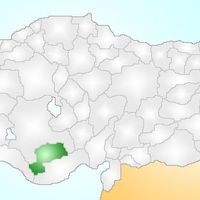
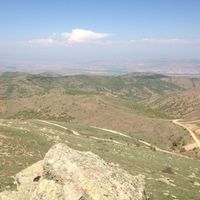
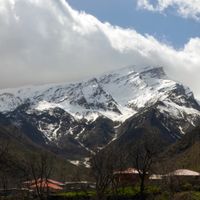
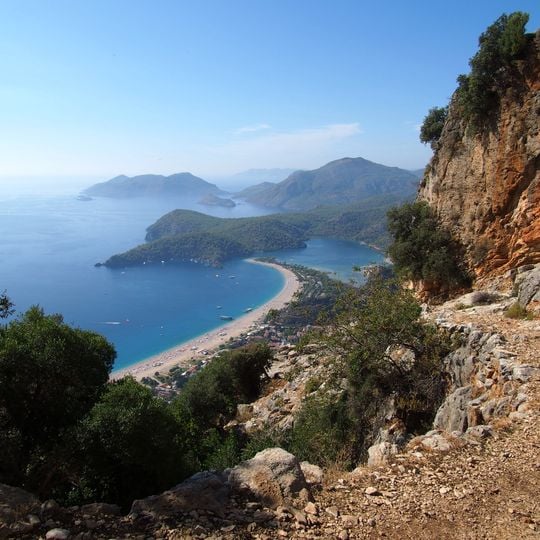
Turkey is a transcontinental nation whose territory stretches across Western Asia and Southeastern Europe, with the Anatolian Peninsula forming the main portion and a smaller European section. The terrain includes coastal plains along the Aegean and Mediterranean, a central plateau, mountain ranges along the northern and southern coasts, and numerous rivers flowing into three different seas.
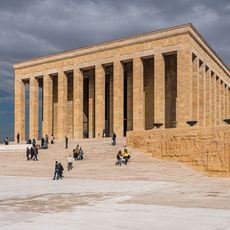
The republic emerged in 1923 after the Ottoman Empire fell, when Mustafa Kemal Atatürk introduced sweeping reforms including the Latin alphabet and separation of state and religion. Following a military coup in 1980, the country returned to civilian rule in 1983, followed by economic openings in the 1990s.
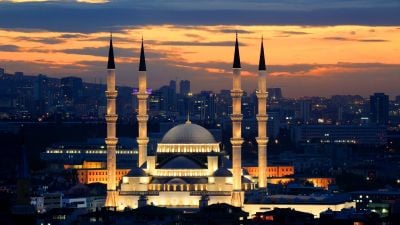
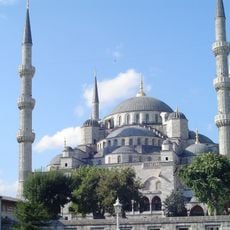
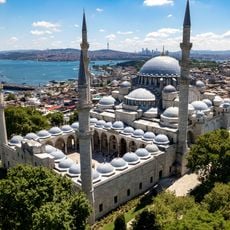
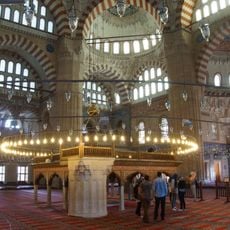
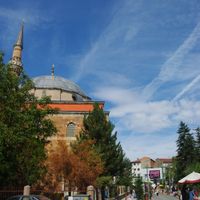
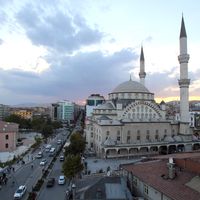
The name comes from the medieval Turkic people who migrated from Central Asia and settled in Anatolia during the 11th century. Today the country shows a blend of secular daily life and religious tradition: modern business districts stand next to old mosques, women wear either headscarves or Western clothing, and the muezzin call to prayer sounds five times a day across cities.
Travelers from many countries can apply for electronic visas online before arrival, with processing usually completed within a day. Public transportation includes domestic flights, intercity buses, and metro systems in larger cities, with private long-distance coaches offering frequent connections between regions.
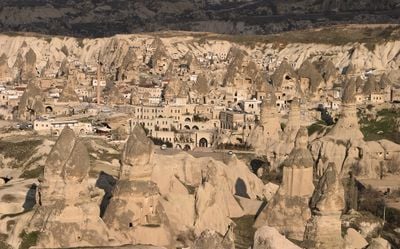
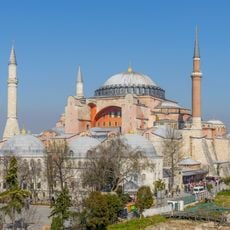
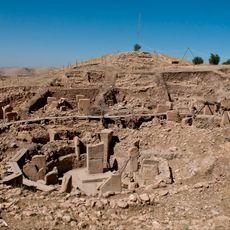
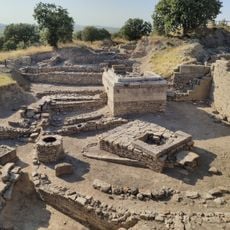
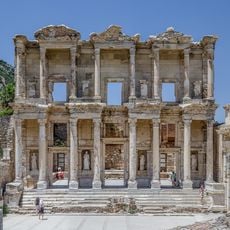
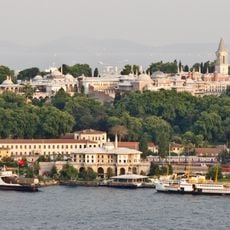
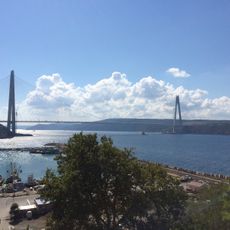
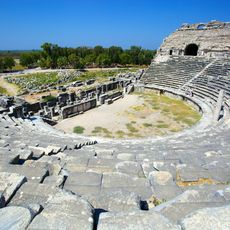
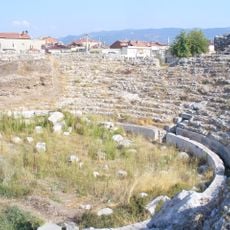
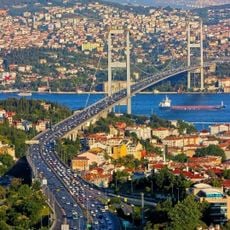
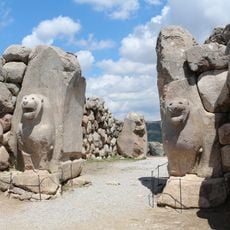
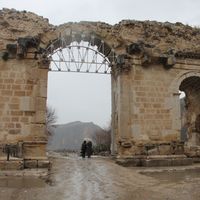
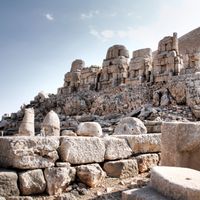
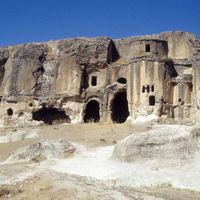
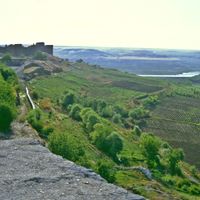
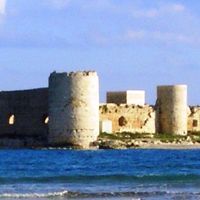
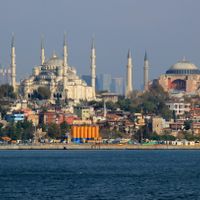
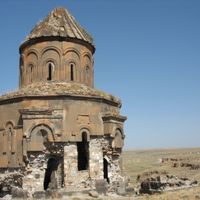
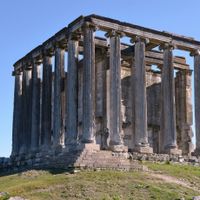
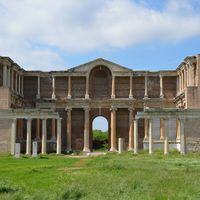
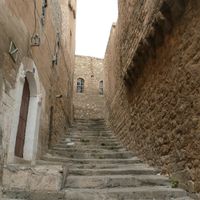
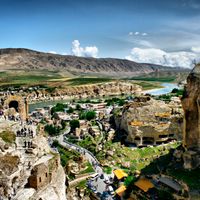
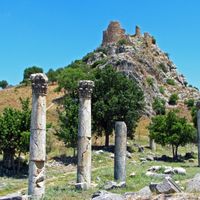
Archaeologists have documented remains from more than a dozen different civilizations on the Anatolian Peninsula, including Hittites, Phrygians, Lydians, Persians, and Romans, all of whom left traces in the form of ruins and inscriptions. Istanbul remains the only city worldwide situated on two continents simultaneously, with the Bosphorus separating its European and Asian neighborhoods.
The community of curious travelers
AroundUs brings together thousands of curated places, local tips, and hidden gems, enriched daily by 90,737 contributors worldwide.