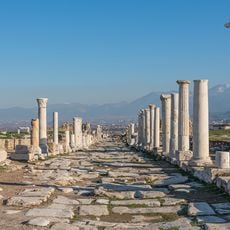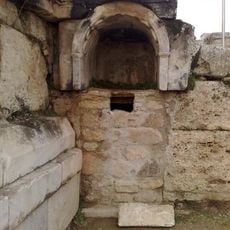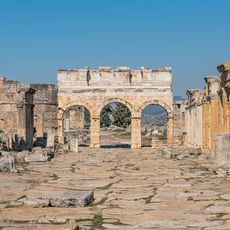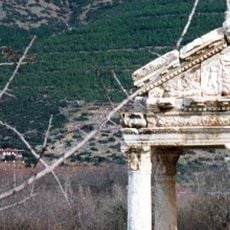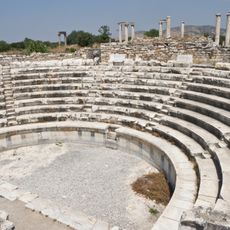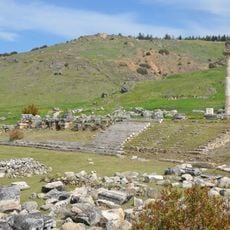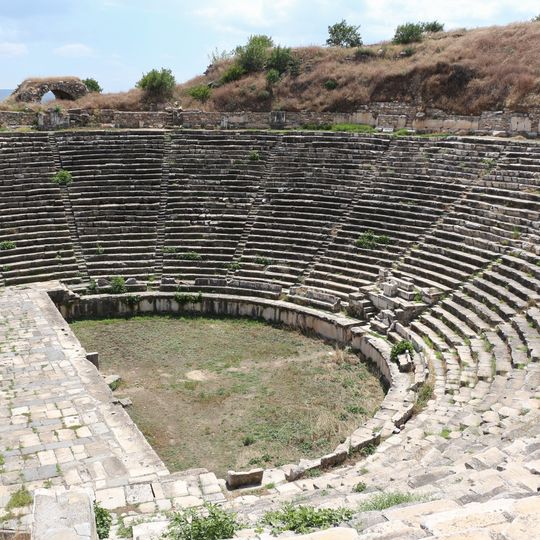
Roman Theatre of Aphrodisias, Ancient Roman theatre in Aphrodisias, Turkey.
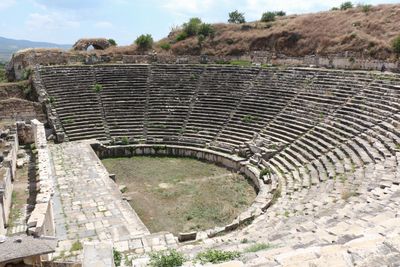
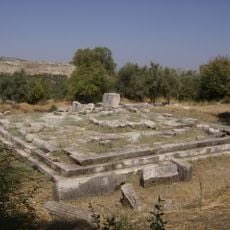
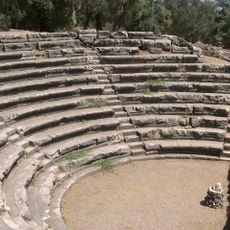
The Roman Theatre of Aphrodisias is an ancient performance venue with semicircular seating arranged in multiple tiers, an orchestra area, and a stage complex. The entire structure was built from local marble, reflecting the building quality and craftsmanship of the period.
The theatre was built around 27 BCE at the beginning of the Roman Empire as a major performance venue. Over the centuries, it was repeatedly rebuilt and adapted to meet changing needs and artistic preferences.
The theatre served as a meeting place where residents gathered for performances, speeches, and public events that shaped daily civic life. These gatherings reveal how central such communal spaces were to the identity and organization of the ancient city.
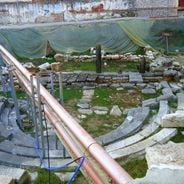
The site features informative panels that explain the layout, construction techniques, and changes made to the theatre, making it easier to understand the ancient structure. You can explore the grounds during daylight when markers and details are clearly visible.
The theatre sits directly next to ancient marble quarries and uses the same high-quality stone that made the city famous. This proximity to the material source shows how closely architecture and local resources were connected.
Location: Aydın Province
Official opening: 27 BCE
GPS coordinates: 37.70715,28.72518
Latest update: December 6, 2025 19:06
Ancient Greek theaters demonstrate skilled architecture developed between the 5th and 3rd centuries BC. Built into hillsides, these structures utilized natural terrain to create stone seating and enhance acoustic performance. They served as venues for tragedies and comedies, as well as gathering spaces during religious festivals and panhellenic games. Most theaters are located in mainland Greece and on the islands, with notable examples such as Epidaurus in Argolis, renowned for its exceptional sound clarity, or the Theater of Dionysus in Athens, considered the cradle of Western theater where works by Aeschylus, Sophocles, and Euripides were performed. Additional sites are found across the eastern Mediterranean, including Miletus in present-day Turkey and Philippi in northern Greece. Some of these structures were modified during the Roman period, such as the Odeon of Herodes Atticus, which incorporated Roman architectural features while maintaining its function as a performance space. Many of these venues, which could seat between 5,000 and 18,000 spectators, remain important remnants of ancient Greek social and cultural life.
Pamukkale
42.4 km
Hierapolis
42.8 km
Laodicea on the Lycus
36.7 km
Ploutonion at Hierapolis
42.9 km
Hierapolis-Pamukkale
42.5 km
Aphrodisias
191 m
Stratonicea
73 km
Mount Honaz
49.4 km
Nysa
55.3 km
Aydın Mountains
58.1 km
Gerga
55 km
Tripolis
41.9 km
Denizli Gondola
36.5 km
Kaklık Cave
60.4 km
Nysa Bridge
55.5 km
Kurşunlu Mosque
63.2 km
Theatre of Hierapolis
43.1 km
Denizli Atatürk and Ethnography Museum
32.8 km
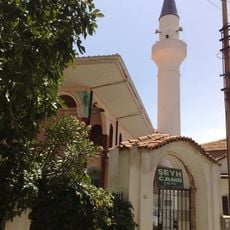
Şeyh Camii
63 km
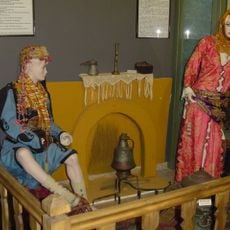
Ethnography Museum of Nazilli
41.9 km
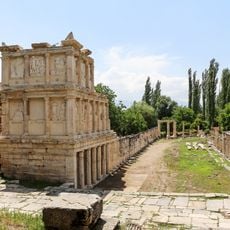
Sebasteion at Aphrodisias
160 m
Muğla Museum
63 km
Güney Waterfall
54.6 km
Travertines of Pamukkale
42.6 km
Aphrodisias
191 m
Denizli Ulu Camii
32.9 km
Odeion or Bouleuterion of Aphrodisias
268 m
Agora of Hierapolis
43.1 kmReviews
Visited this place? Tap the stars to rate it and share your experience / photos with the community! Try now! You can cancel it anytime.
Discover hidden gems everywhere you go!
From secret cafés to breathtaking viewpoints, skip the crowded tourist spots and find places that match your style. Our app makes it easy with voice search, smart filtering, route optimization, and insider tips from travelers worldwide. Download now for the complete mobile experience.
A unique approach to discovering new places❞
— Le Figaro
All the places worth exploring❞
— France Info
A tailor-made excursion in just a few clicks❞
— 20 Minutes