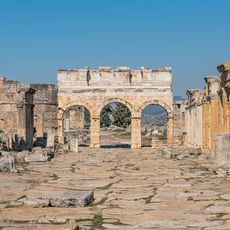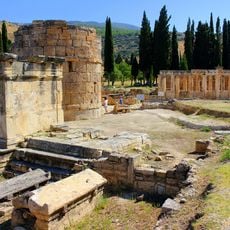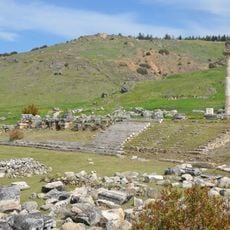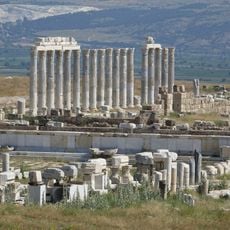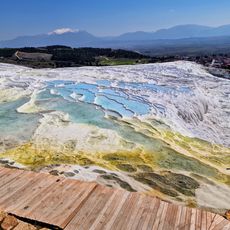
Ploutonion at Hierapolis, Sacred cave in Hierapolis, Turkey
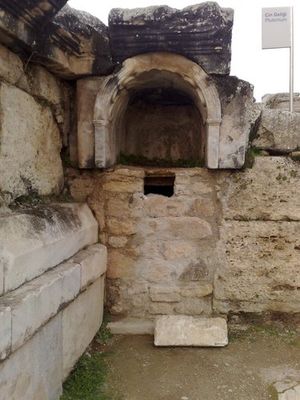
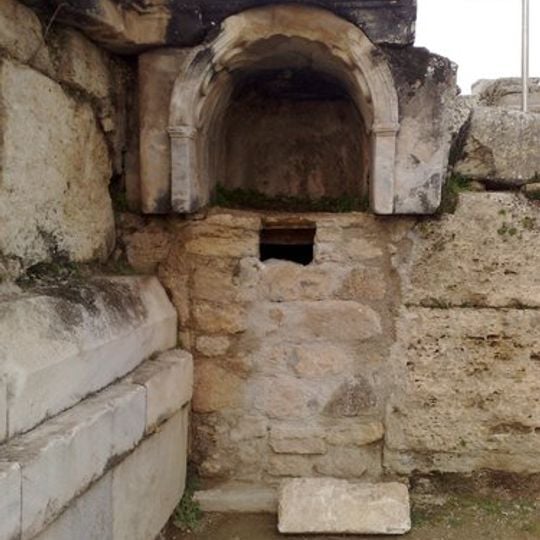
The Ploutonion is a natural fissure in the ground at Hierapolis where volcanic gas emerges through a stone archway surrounded by marble steps and foundations of a small temple. The entrance forms a grotto where heavy invisible clouds gather at waist height, while remains of the pilgrimage complex enclose courtyards and corridors leading toward the chasm.
Greek colonists from Pergamon founded the sanctuary during the second century before Christ after discovering the source of deadly vapors. Emperor Constantine ordered the closure of the temple in the fourth century, and later earthquakes buried the site beneath rubble until Italian archaeologists uncovered it in 2013.
Eunuch priests devoted to Cybele entered the sanctuary during sacrifice and guided visitors through ceremonies where they cast animal flesh into the poisonous mist. They demonstrated how divine protection from Hades spared their bodies while smaller creatures collapsed in the vapors before watching crowds.
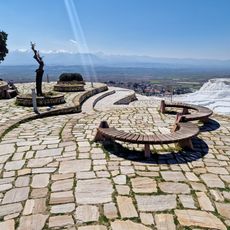
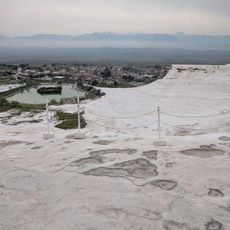
The area is enclosed by barriers preventing visitors from entering the deepest parts of the grotto where gas continues to emerge from the ground. Morning hours bring stronger air circulation that makes the route safer, though the site remains open for walks through the archaeological park year-round.
The priests slept in chambers above the grotto and likely used the weaker gas concentration at higher levels to stage their immunity before audiences. Some accounts mention they held their breath before entering or wore damp cloths over mouth and nose to reduce the effect of vapors.
The community of curious travelers
AroundUs brings together thousands of curated places, local tips, and hidden gems, enriched daily by 91,517 contributors worldwide.