See the monuments around you in AROpen chests in the app
Around Us is built for your phone — point your camera at the streets and discover the monuments and places around you in augmented reality.Around Us is built for your phone — chests unlock when you walk, explore and capture nearby places.
Offbeat places in Athens: Byzantine churches, neighborhood museums, historic squares
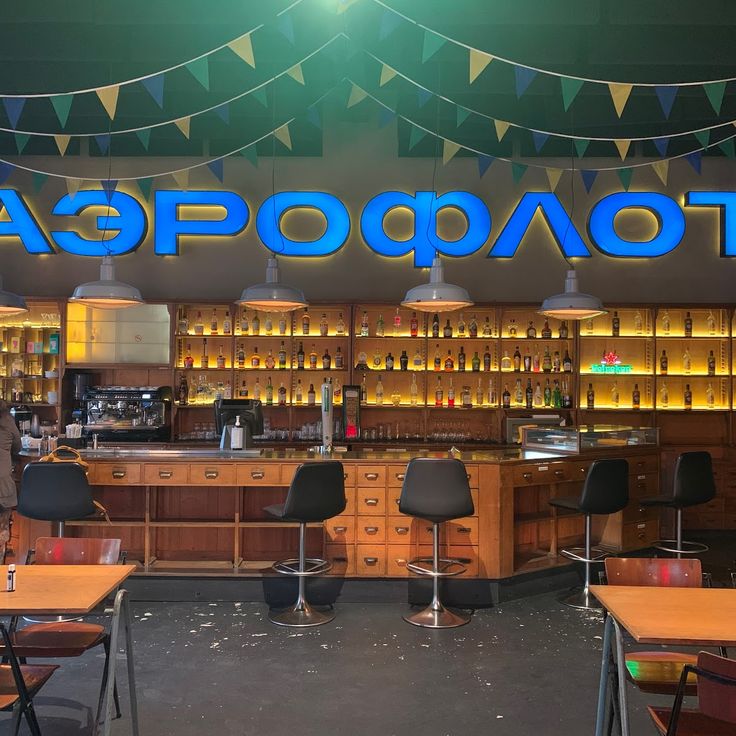
Beyond the standard tourist circuit, Athens contains Byzantine monasteries, historic neighborhoods and specialized museums. The city offers Roman ruins, observation points on multiple hills, traditional bars and cultural centers in former industrial buildings. These sites represent different periods of the Greek capital, from classical antiquity to modern urban development.
The collection includes Kaisariani Monastery from Byzantine times, the Temple of Hephaestus as one of the best preserved Greek temples, botanical gardens and neighborhoods such as Psyri and Anafiotika. Museums present toys, musical instruments, coins and scientific collections. Visitors can climb Filopappou Hill or Strefi Hill, visit themed cafes or explore the National Observatory. The selection ranges from ancient sites to contemporary cultural venues.
Offbeat places in Athens: Byzantine churches, neighborhood museums, historic squares
Beyond the standard tourist circuit, Athens contains Byzantine monasteries, historic neighborhoods and specialized museums. The city offers Roman ruins, observation points on multiple hills, traditional bars and cultural centers in former industrial buildings. These sites represent different periods of the Greek capital, from classical antiquity to modern urban development.
The collection includes Kaisariani Monastery from Byzantine times, the Temple of Hephaestus as one of the best preserved Greek temples, botanical gardens and neighborhoods such as Psyri and Anafiotika. Museums present toys, musical instruments, coins and scientific collections. Visitors can climb Filopappou Hill or Strefi Hill, visit themed cafes or explore the National Observatory. The selection ranges from ancient sites to contemporary cultural venues.
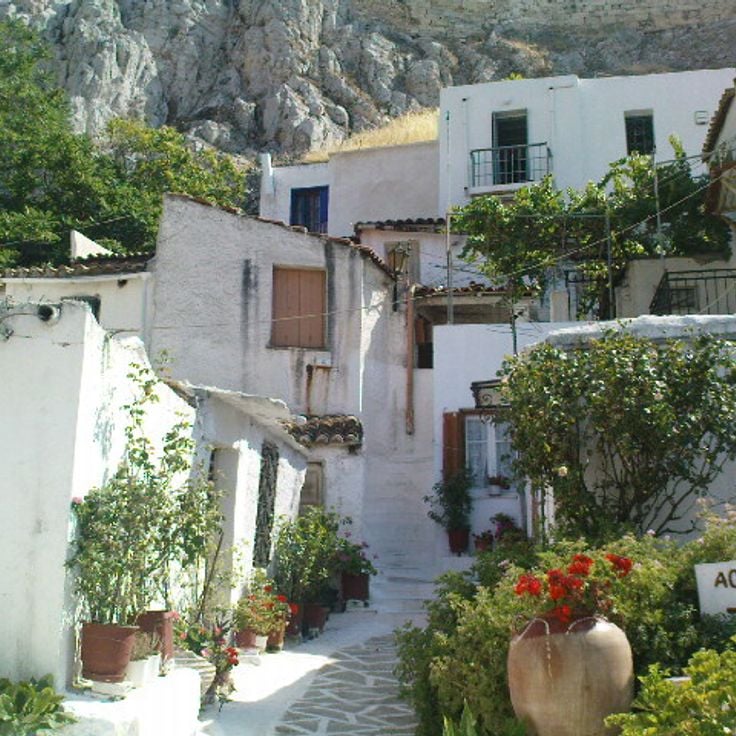
This neighborhood represents Cycladic architecture within Athens, with whitewashed stone houses, blue doors and narrow alleys below the Acropolis. Anafiotika developed in the 1860s when construction workers from the island of Anafi settled here and built homes in the style of their native island. The narrow stone paths between buildings with interior courtyards form a small labyrinth that contrasts with surrounding city districts and provides insight into different construction periods of the Greek capital.
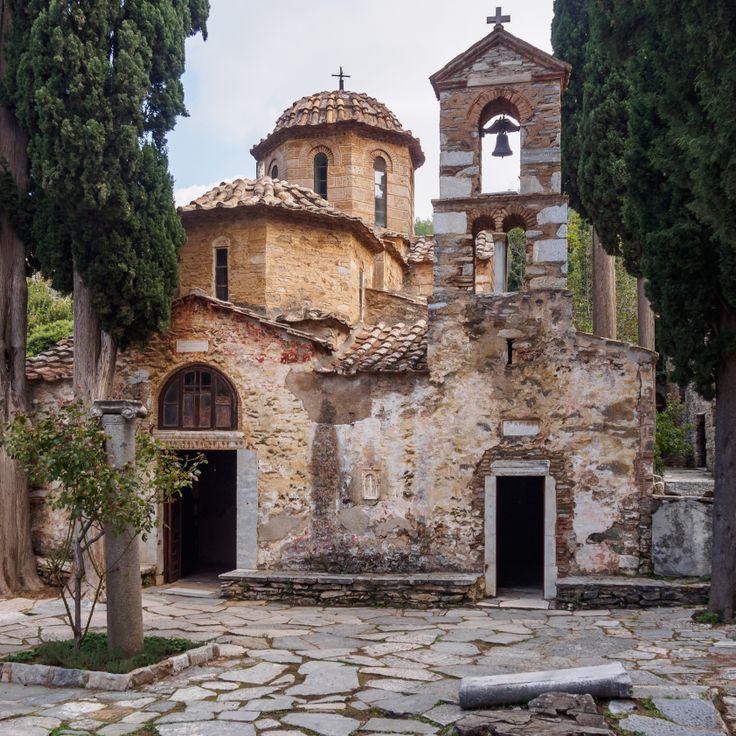
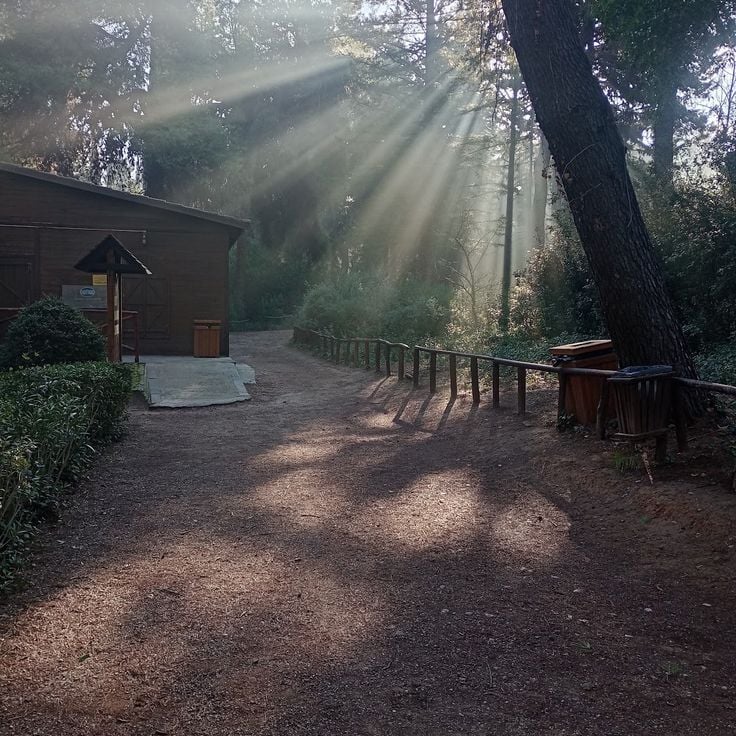
This 11th century monastery sits at the base of Mount Hymettus and represents one of the notable Byzantine religious complexes accessible from Athens beyond the main tourist circuit. The main church preserves wall frescoes from different periods, while an ancient spring on the grounds has flowed for centuries. The monastery demonstrates typical features of Byzantine architecture with cross vaults and a courtyard surrounded by monastic cells. The complex served as a center of monastic life for centuries and has undergone multiple restorations. Visitors reach Kaisariani Monastery via a road that winds through wooded terrain.
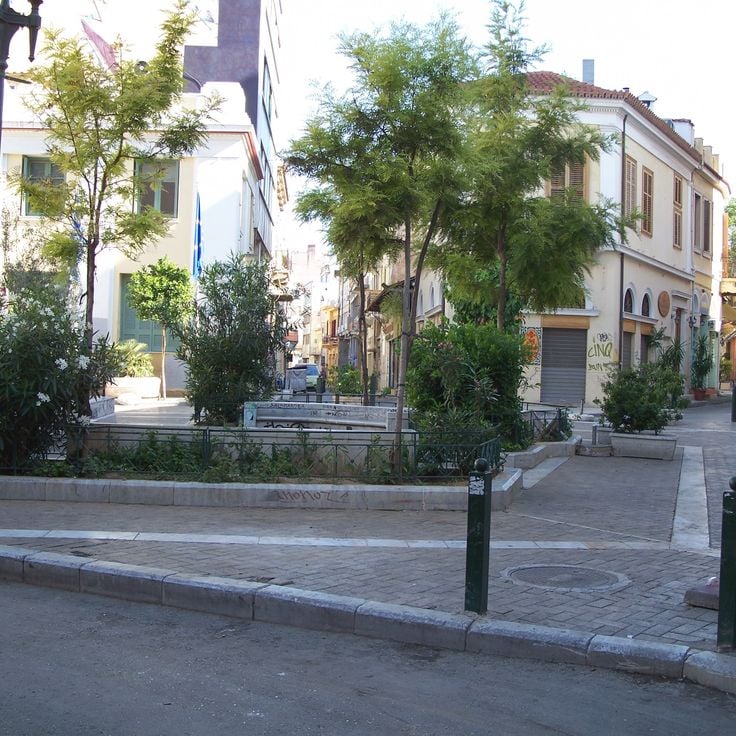
This district sits northwest of the Monastiraki area and has evolved from a historic artisan quarter into a nightlife destination. Psyri presents bars, restaurants and galleries within renovated neoclassical buildings. Building facades display murals and graffiti from local artists. The streets preserve a mix of traditional workshops and contemporary cultural spaces that reflect different periods of Athens' urban history.
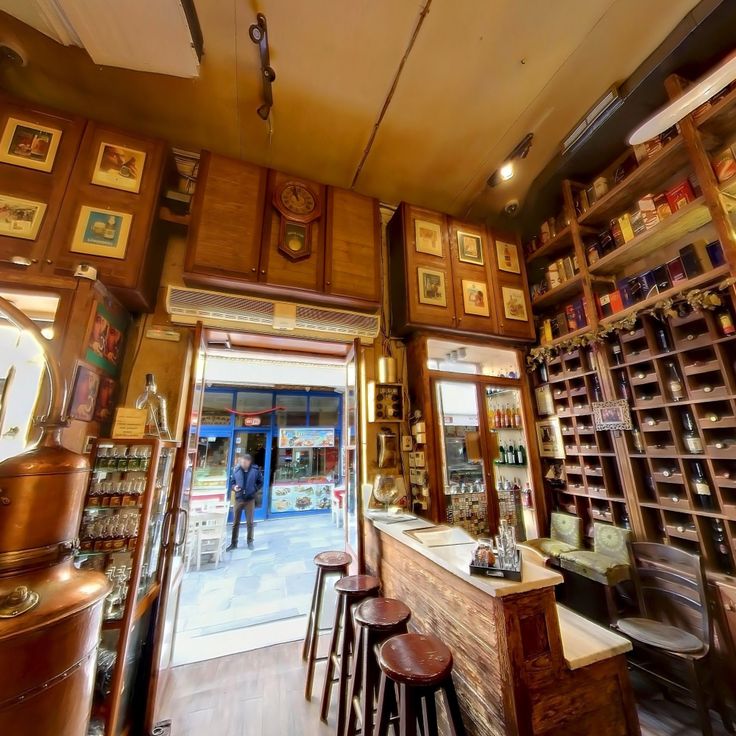
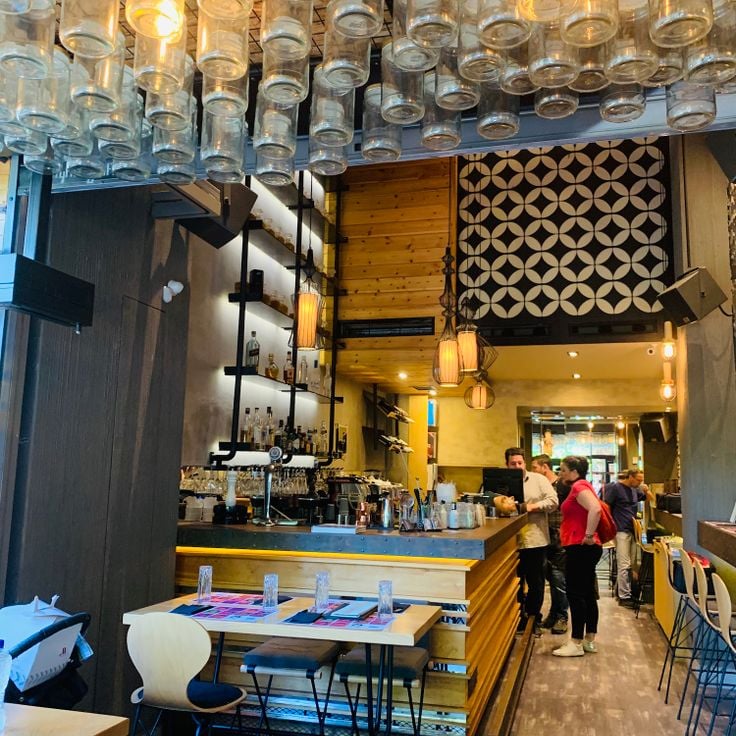
This distillery dating from 1909 produces traditional Greek spirits and ranks among the older working distilleries in Athens. The walls of Brettos Bar display hundreds of colored bottles on wooden shelves, creating the space's signature visual character. The operation produces ouzo, mastika and other local spirits that can be sampled on site. Located in the historic Plaka district, the venue combines production facility with tasting room, allowing visitors to observe the craft of Greek spirit making and sample different varieties. The bar represents a working artisanal business that has maintained family ownership and traditional methods for more than a century.
This botanical garden spreads across 460 acres (186 hectares) and functions as a research facility with plant collections that represent the kind of offbeat Athens locations beyond conventional tourist circuits. Diomidous houses greenhouses, laboratories and a seed bank focused on Mediterranean vegetation. The facility documents native flora and supports scientific programs for the conservation of endangered species. Visitors can explore themed sections that present different regional ecosystems.
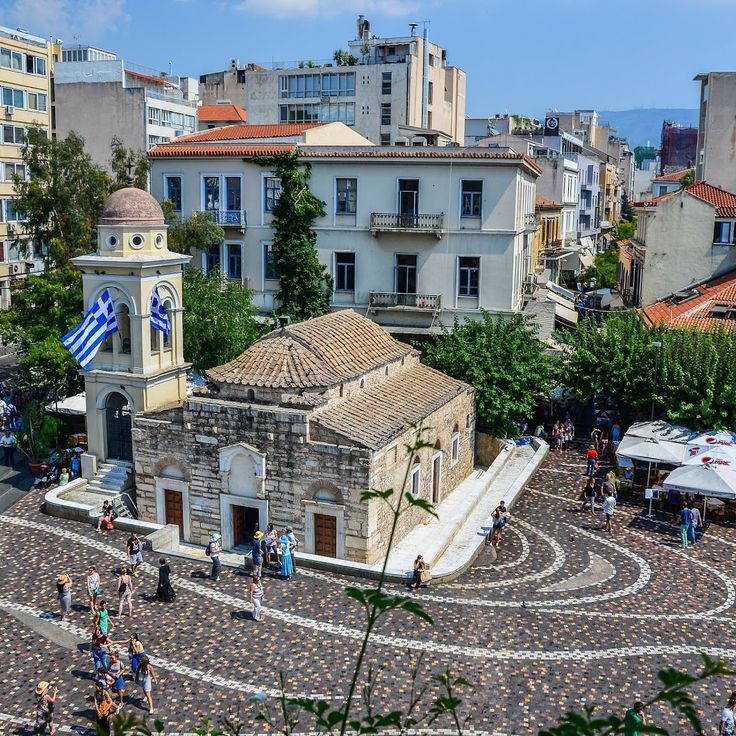
This square in the Thiseio district combines Roman and Byzantine remains with cafes and shops lining the open space. Plateia Agion Asomaton displays archaeological layers from different periods while serving as a gathering point for local residents. The surrounding area features traditional tavernas and small retail outlets, while ancient fragments remind visitors of the neighborhood's past. The square sits away from main tourist routes and offers perspective on everyday Athens beyond standard attractions.
This limestone hill rises 160 meters above sea level in the Exarchia neighborhood and provides an observation point away from standard tourist routes. From Strefi Hill, views extend across the Acropolis, Mount Lycabettus and the Attica plain to the Saronic Gulf. Steep paths wind through Mediterranean vegetation to several platforms where visitors can observe different Athens neighborhoods and surrounding mountains. The hill functions as a local recreation area and an alternative vantage point for travelers seeking to experience Athens' urban topography from a different perspective.
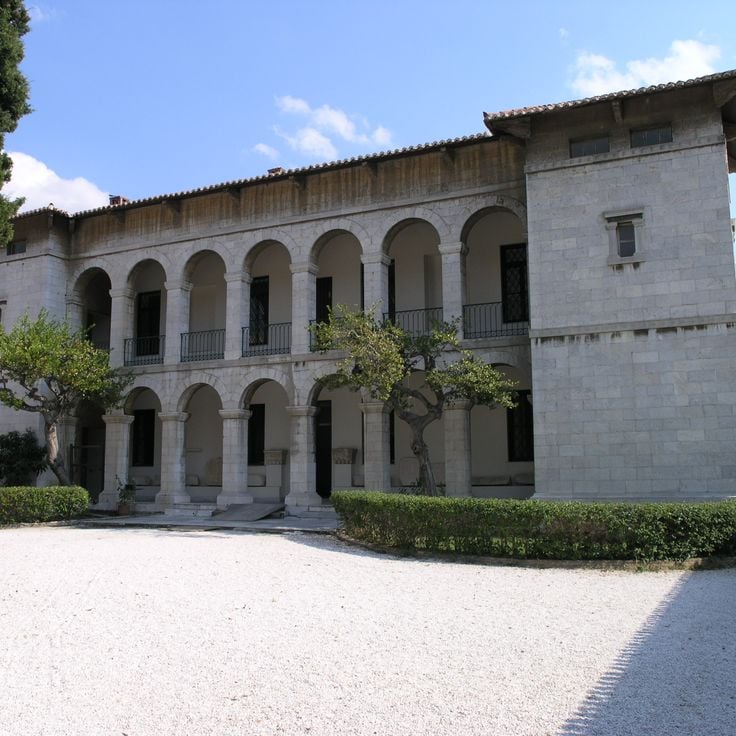
This museum offers a systematic examination of Byzantine and Christian art through 25,000 objects from the third to the twentieth centuries. The collection includes icons, liturgical textiles, illuminated manuscripts and wall paintings from different periods of Greek history. The Byzantine And Christian Museum contextualizes religious art across seventeen centuries, showing the development of artistic techniques and theological representations. Exhibition rooms follow chronological and thematic groupings that document the transition from the late Roman Empire through the Byzantine period to Ottoman rule.
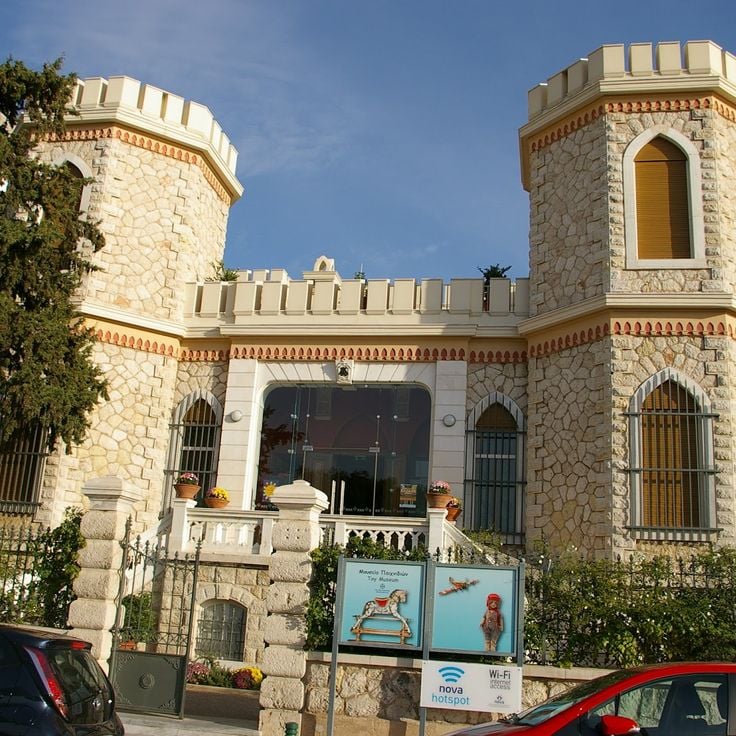
This museum houses 20,000 toys from various countries and periods, from ancient artifacts to items manufactured in the 1970s. The collection offers insights into the cultural history of Athens and demonstrates how children played across centuries. As part of the less visited sites in Athens, the Benaki Toy Museum documents aspects of daily life through dolls, board games, tin toys and other objects. The exhibits come from Greece, Europe, Asia and America. The museum adds to the cultural venues of the Greek capital with a thematic focus that extends beyond the standard archaeological and Byzantine collections. The display rooms present handcrafted and industrially produced toys representing different historical periods and social classes.
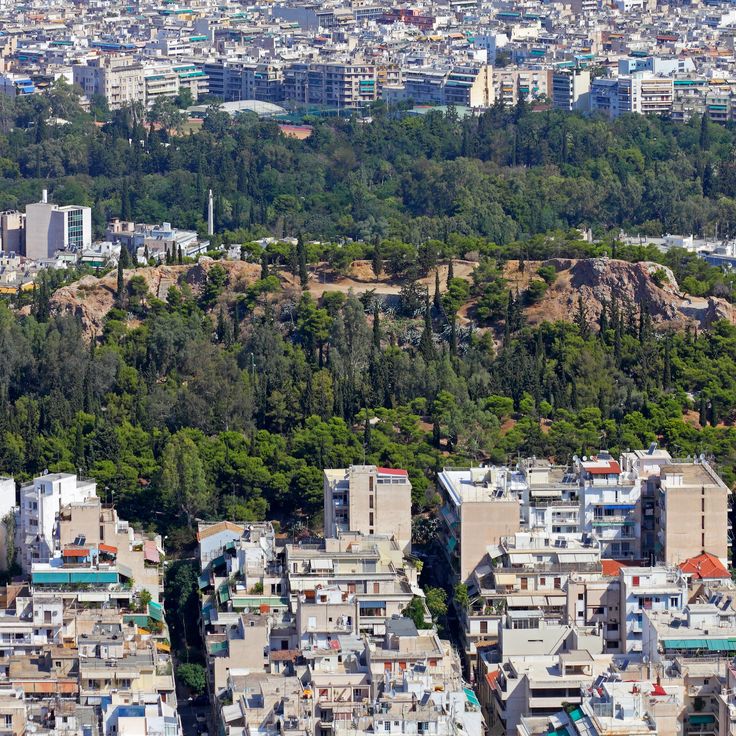
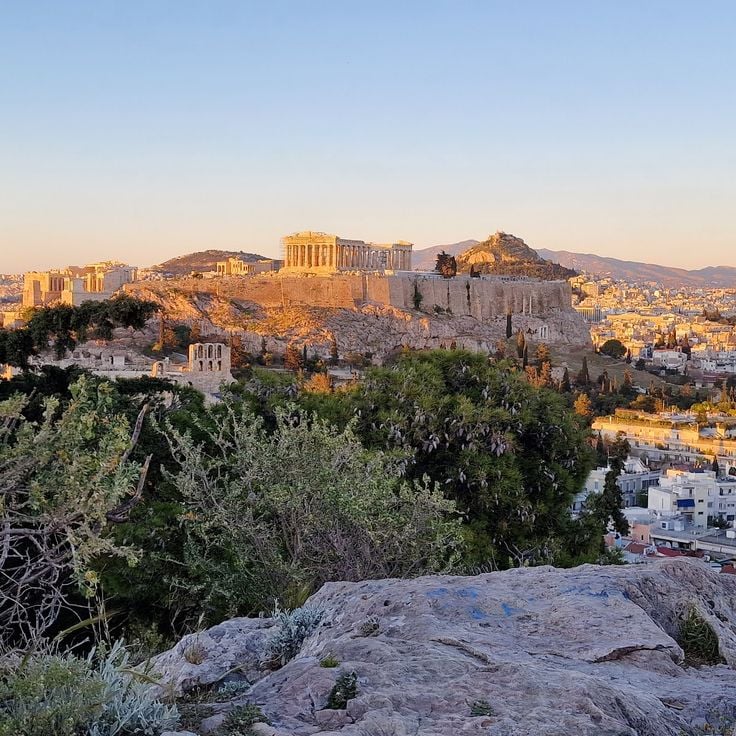
This 147-meter (482-foot) hill provides views of the Acropolis, the Aegean Sea and ancient ruins scattered across the urban landscape. A marble monument from the second century AD crowns the summit, commemorating Philopappos, a Roman senator and benefactor of Athens. Visitors find walking paths through pine groves, remains of a Byzantine church and the supposed prison cell of Socrates carved into the rock. The ascent takes roughly twenty minutes from the southwestern edge of the old town and leads to an observation point away from standard tourist circuits.
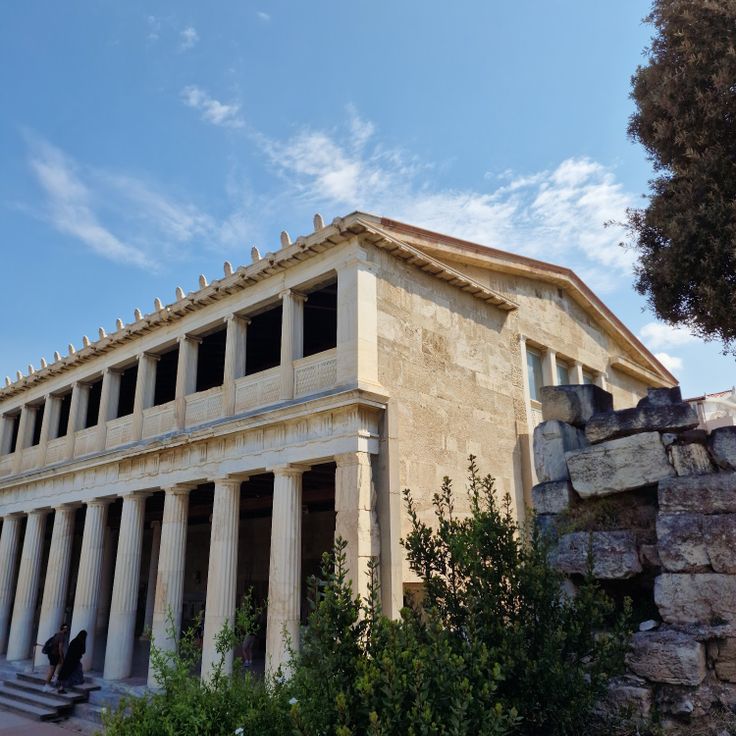
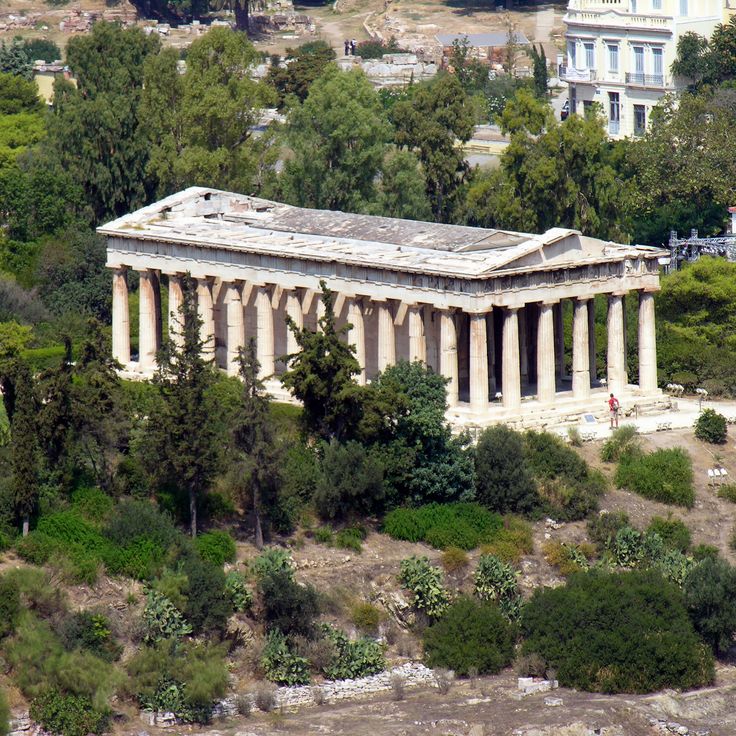
This Doric temple from 450 BC stands among the best preserved ancient structures in Greece, located in the historic center of the Athenian Agora. The original marble columns and roofing framework remain largely intact. While visitors typically focus on the Acropolis, this temple provides a quieter look at classical Greek architecture. Its elevated position offers views across the ancient marketplace where political and commercial activities of old Athens took place. The temple was dedicated to the god of metalworking and craftsmanship, fitting for a structure built near workshops and artisan quarters.
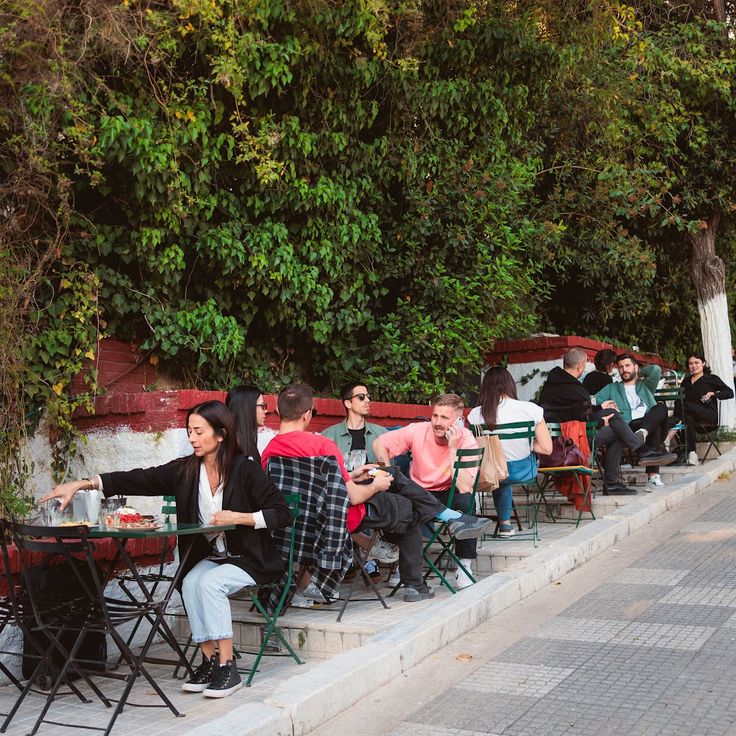
This public square in the Kolonaki neighborhood contains a 19th-century water reservoir that once supplied the district. Dexameni Square now hosts several cafes with outdoor seating under plane trees and an open-air cinema operating from May through September. The venue screens Greek and international films in a relaxed setting and draws both locals and visitors seeking offbeat places in Athens beyond standard routes. The square connects urban history with contemporary neighborhood life.
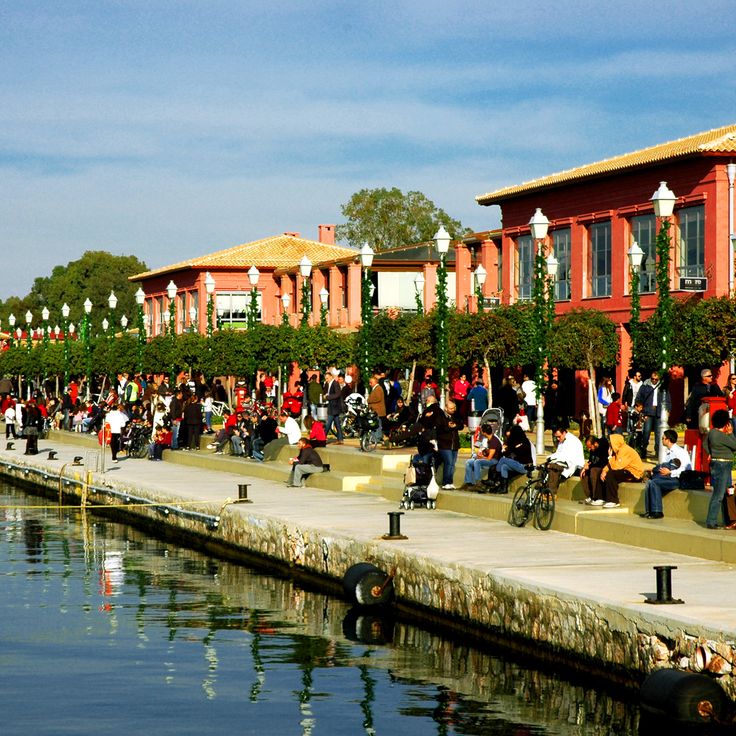
Flisvos Marina in Palaio Faliro accommodates 170 berths for sport boats and yachts, drawing visitors who seek relaxation outside the crowded districts of central Athens. This marina sits on the coast south of the city center, offering waterfront restaurants, boutiques and cafés along its promenade. The facility was upgraded for the 2004 Olympics and now serves as a departure point for sailing excursions into the Saronic Gulf. In the evenings, Athenians arrive to dine by the water or stroll the walkways, away from the main tourist circuits.
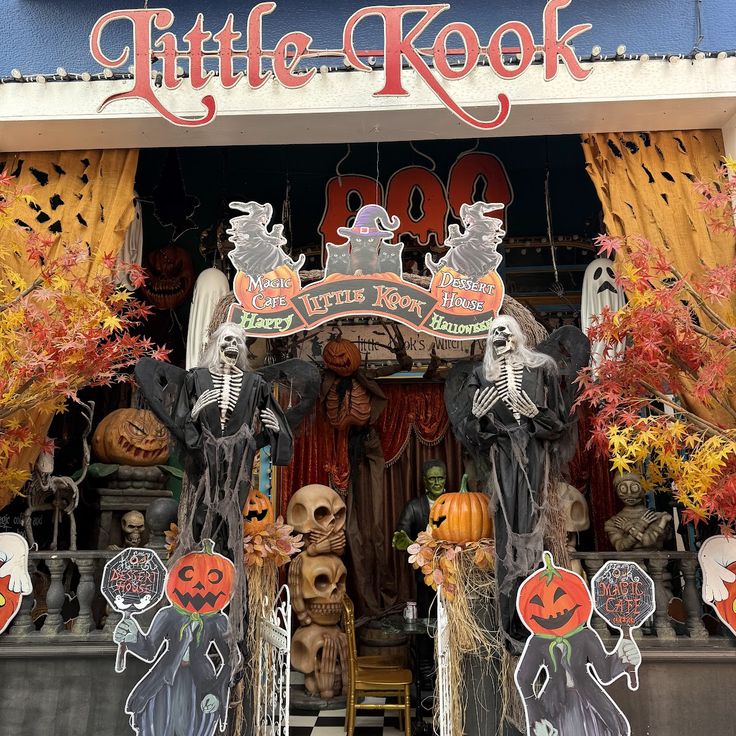
This cafe in Psiri transforms its interior several times yearly according to rotating themes drawn from fairy tales and fantasy stories. Little Kook decorates the space with elaborate props, lighting and murals while staff work in matching costumes. The menu focuses on desserts, cakes and coffee drinks served within the heavily designed environment. The cafe represents a different side of Athens beyond standard landmarks, drawing visitors seeking unusual dining experiences. Decor typically rotates between Halloween, Christmas and other seasonal themes, with each redesign bringing new visual elements throughout the space.
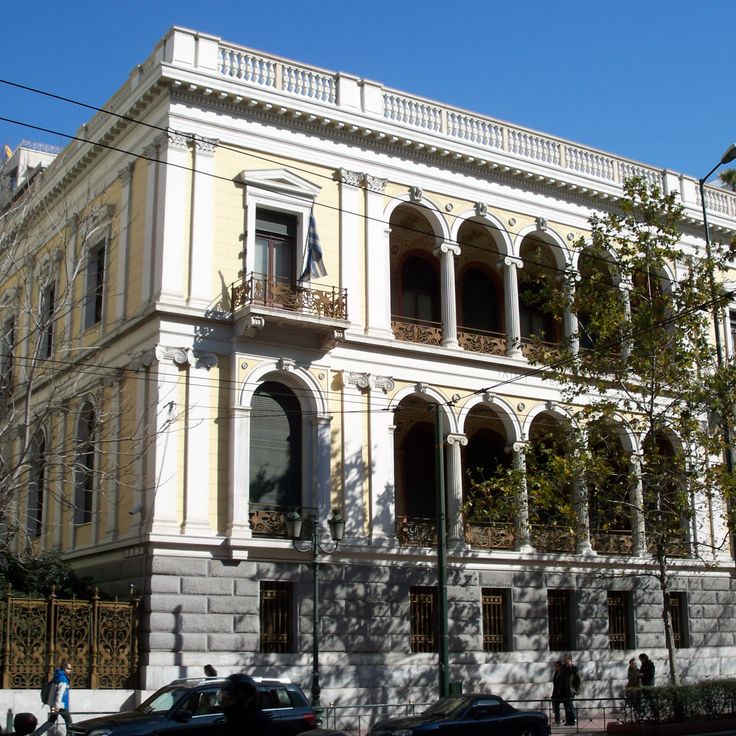
This museum inside the Iliou Melathron building preserves a collection of 500,000 coins and medals from different periods of Greek history. The exhibits document the development of currency from ancient times to the modern era and add depth to Athens' range of lesser visited cultural sites. The numismatic collection provides insight into trade relationships, political changes and artistic traditions. The neoclassical building itself was constructed in the late 19th century as a private residence and has served as the museum's home since 1998.
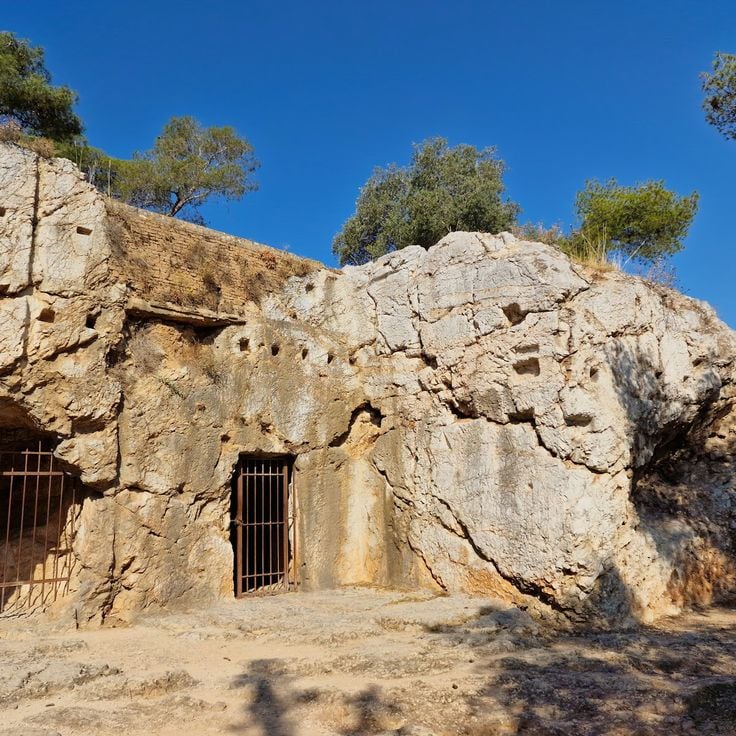
These stone chambers carved into the rock on Filopappou Hill date from the 5th century BC. One cell is marked as the detention site of philosopher Socrates. The site forms part of Athens' lesser visited ancient remains and provides insight into the prison system of the classical period. The chambers sit away from main tourist routes and can be accessed during a walk across the hill. From here, visitors find connections to other archaeological remains that contribute to exploring the varied historical layers of the Greek capital.
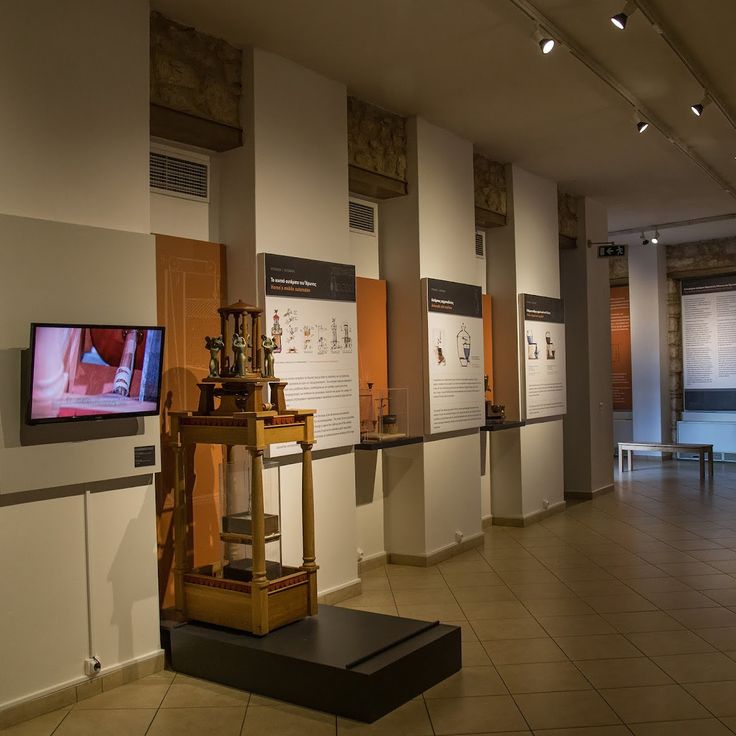
This museum presents scientific instruments and experimental stations that introduce visitors to topics in physics, astronomy and technology. The exhibition spaces display historical equipment while a laboratory section allows hands-on experiments. Regular lectures and workshops take place in dedicated teaching rooms, offering insights into scientific developments. The Science Museum adds to the lesser visited sites of Athens with its focus on scientific education in an accessible format.
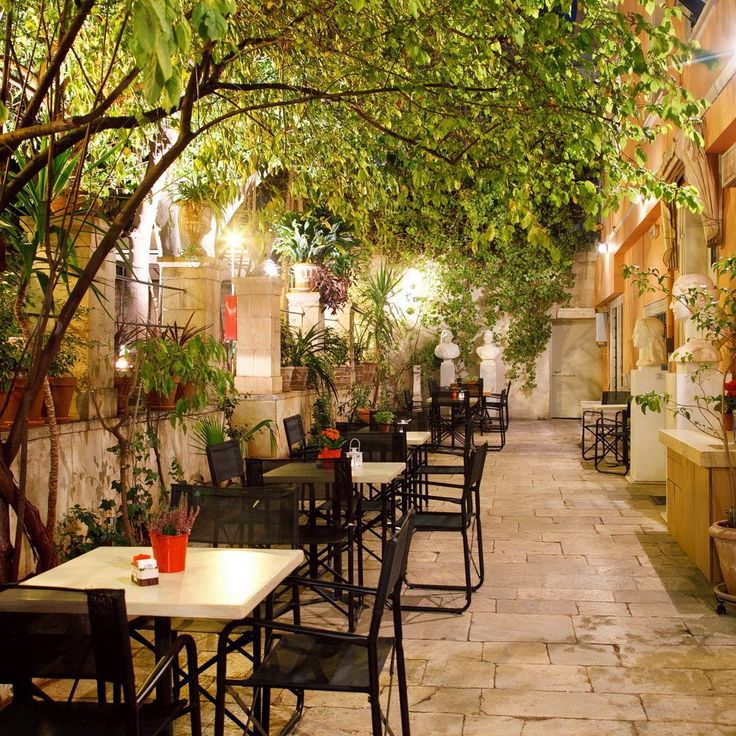
This restaurant in Monastiraki occupies a building dating from 1932, with stone walls and tile floors. The courtyard contains orange trees, herbs and a stone fountain. The architecture represents a period in Athens' development between the world wars, when traditional construction methods merged with new urban demands. The establishment sits in the historic center, where shops and cafes amid archaeological sites and residential quarters demonstrate the everyday culture of the city beyond standard tourist attractions.
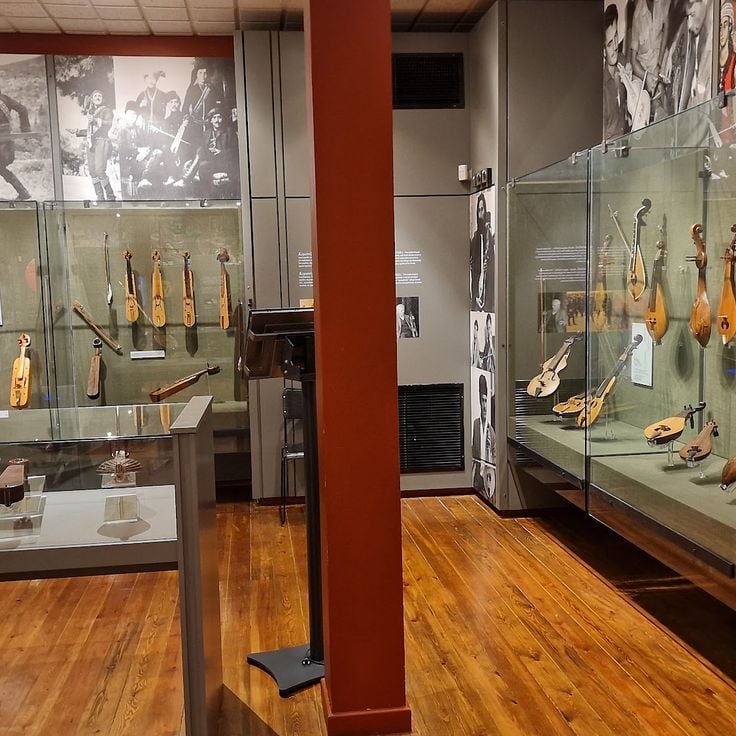
This collection of historical musical instruments documents Greek musical practice from the 18th century through the late 1800s, adding insight into musical tradition to the archaeological and Byzantine sites that define Athens. The exhibition displays approximately 1,200 instruments from various regions of Greece, including stringed, plucked and wind instruments alongside traditional percussion pieces. Musicians perform compositions on the original instruments during Thursday tours, demonstrating playing techniques and regional musical styles. The collection occupies a neoclassical building in Plaka and provides context for the development of Greek folk music and its connection to urban and rural traditions.
This assembly hall in the Roman Agora dates to the 2nd century and documents administrative procedures from the Roman period in Athens. Excavations uncovered original floor mosaics, wall inscriptions, bronze voting tokens and marble seat markers. The architectural remains provide insight into the organization of public assemblies during Roman rule. A visit to this site complements the experience of Athens' Byzantine churches, neighborhood museums and historic squares that extend beyond standard tourist routes.
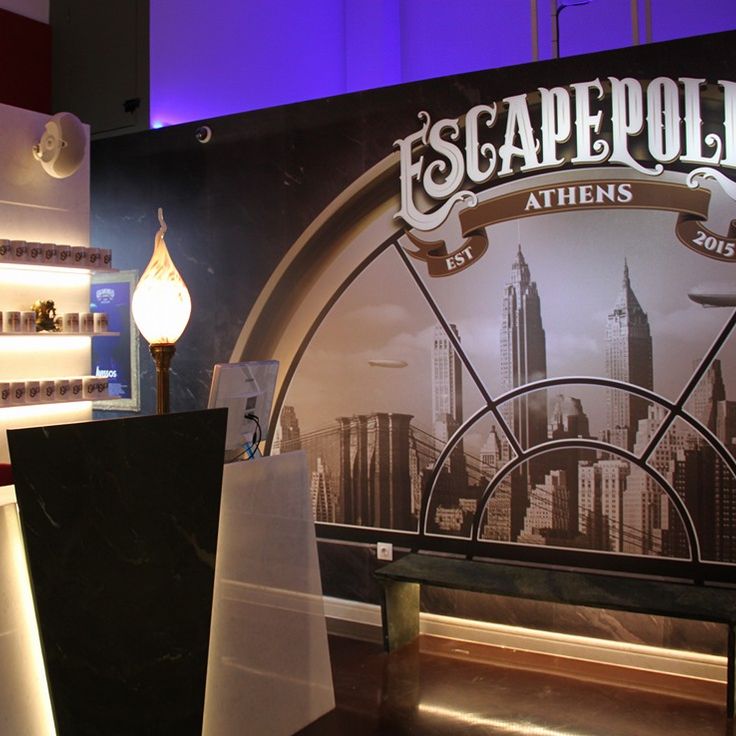
This escape room center in Psiri features five themed rooms that combine mechanical and digital puzzle elements. The scenarios draw from Greek history and mythology, adding an interactive dimension to Athens' cultural offerings beyond standard archaeological sites and museums. Participants work in teams to solve the challenges within a set time frame. Located in a neighborhood known for its tavernas and nightlife, the center appeals to visitors seeking alternatives to conventional tourism activities while engaging with Greek historical and mythological themes.
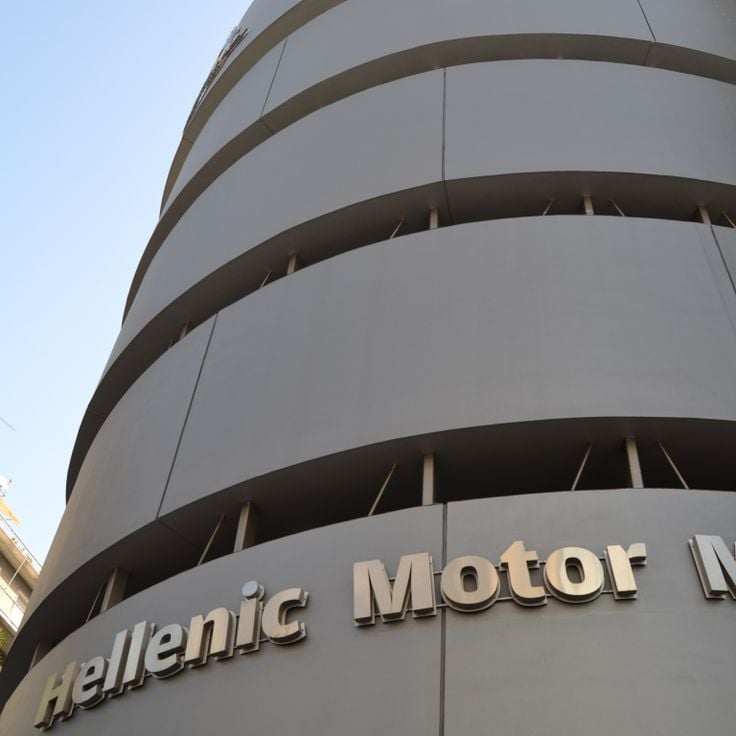
The Automobile Museum displays 110 vehicles from 1890 to 1980 across three floors, including racing cars and historical transportation. This museum adds to Athens' collection of neighborhood museums with a focus on automotive history. The exhibition documents the evolution of vehicle technology over nine decades and presents examples from various manufacturing traditions. Located in a shopping center, the museum provides an alternative to the archaeological and Byzantine sites typically visited in the Greek capital.
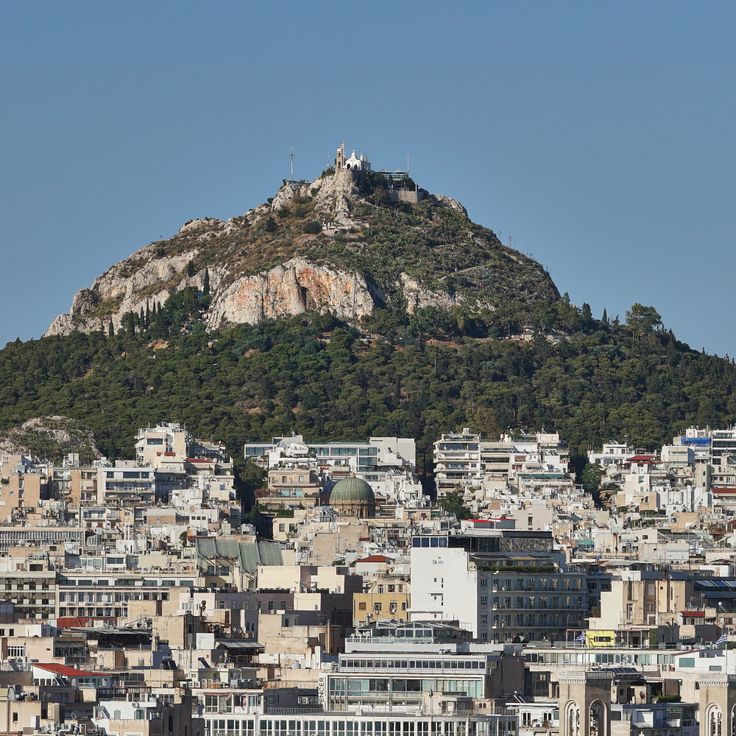
This limestone hill rises 984 feet (300 meters) above the city and offers an alternative to the better known observation points in Athens. The summit is accessible by hiking trail or cable car and includes a restaurant and chapel. From the top, views extend across the Greek capital, from the harbor district to the surrounding mountains. Located in the Kolonaki neighborhood, the hill serves both residents and visitors as a starting point for walks through the forested slopes that provide a quiet contrast to the dense development at the base.
This 1920 building in the working class neighborhood of Metaxourgeio serves as a gathering point for literature and art enthusiasts in Athens. Literature House maintains a library with international books in multiple languages and regularly organizes art exhibitions, writing workshops and cultural events. The institution represents the neighborhood's growing cultural revival and offers visitors insight into Athens' contemporary literary scene beyond the standard tourist circuit.
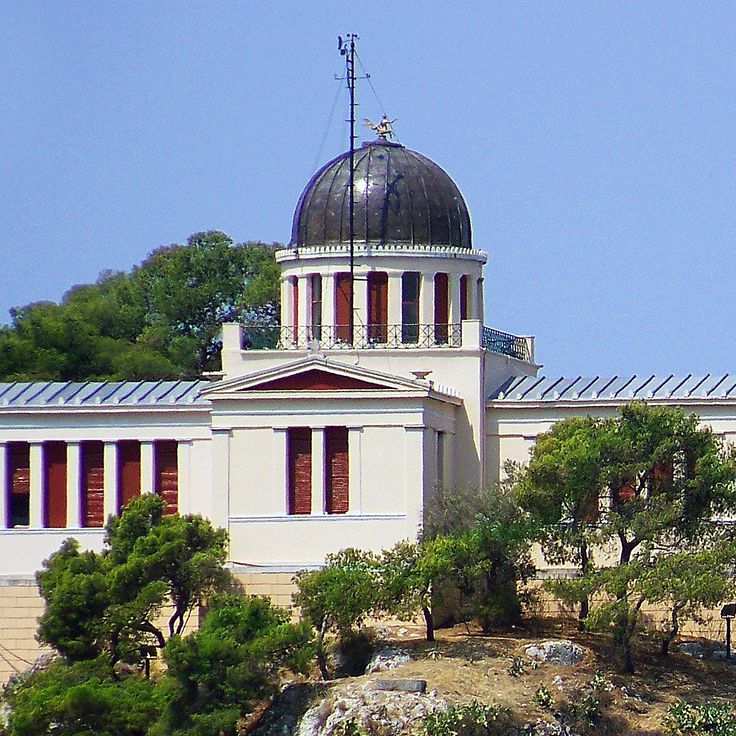
This observatory on Nymphs Hill was established in 1842 and forms part of Athens' astronomical history beyond the standard tourist circuit. The facility preserves historical telescopes and scientific instruments from the nineteenth century. The National Observatory of Athens organizes evening observation sessions for visitors, during which staff explain celestial observation using optical equipment. The institution documents the development of astronomy in Greece and provides insights into scientific research methods from earlier periods. The hilltop location offers views across the city and combines scientific education with practical observation opportunities for interested visitors.
This museum occupies a neoclassical building on the north side of the Acropolis and displays ancient art, jewelry and Byzantine objects from the private collection of Paul and Alexandra Kanellopoulos. The exhibits include pottery, sculptures, bronze work and icons documenting several thousand years of Greek history. The Kanellopoulos Museum complements the better known archaeological sites of Athens with a manageable collection that provides insights into different periods from Minoan times through the Byzantine era.
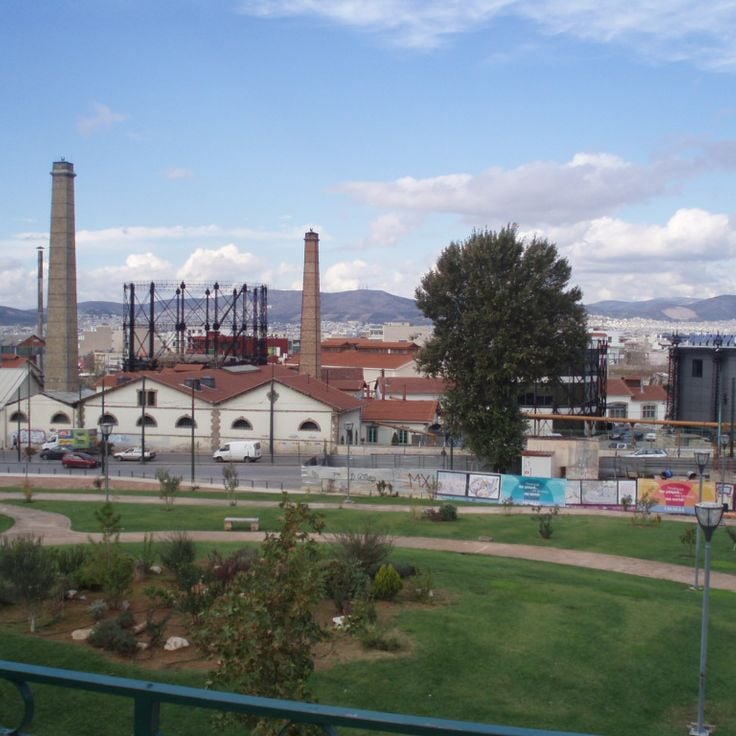
This former gas factory has been converted into a cultural center containing exhibition spaces with preserved industrial machinery, concert halls and galleries for contemporary art. Technopolis City of Athens sits in the Gazi district and maintains elements of Athens' industrial past within an active venue for rotating art exhibitions, live concerts and cultural events. The facility displays gas holders, furnaces and other machinery from the plant's operational period during the 19th and 20th centuries. The complex serves as an example of industrial building repurposing in Athens and provides year-round access to various exhibitions and performances.
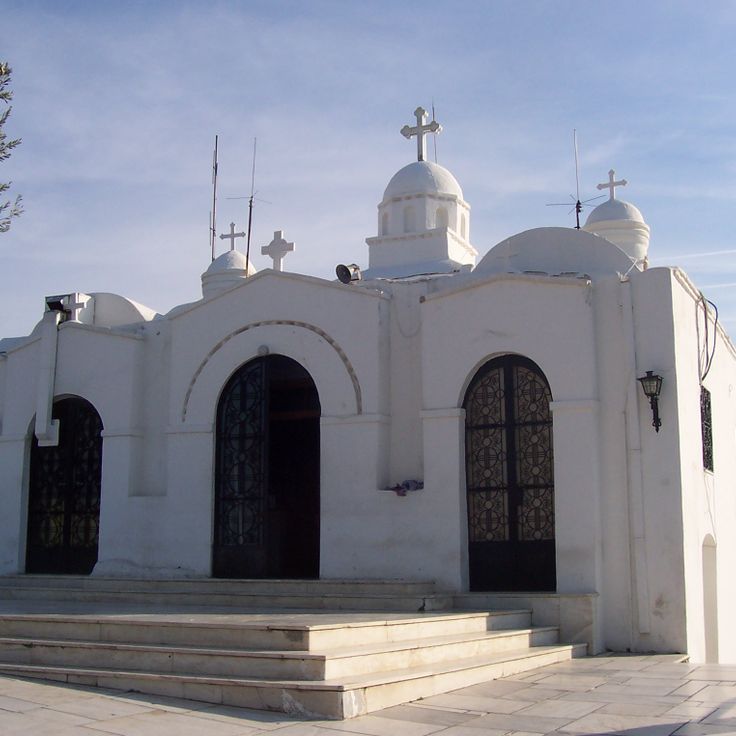
This chapel stands at 277 meters (910 feet) elevation and offers views across Athens and the gulf. The white stone structure sits on Lycabettus Hill, one of the city's less visited elevated points. Access is available via stairs or a funicular railway. The chapel adds to the collection of sites beyond standard tourist routes in the Greek capital, which includes neighborhood museums, Byzantine churches and converted industrial buildings that represent different periods of the city's history.
This café combines miniature golf with a casual bar setting in one of Athens' more unconventional leisure venues. Guests order drinks and snacks from the bar and play a compact nine-hole course that winds between the tables. The artificial turf and simple obstacles create a relaxed environment for groups and families. The venue offers an alternative to traditional cafés and fits into the city's growing scene of themed spaces that differ from the usual Byzantine churches and archaeological sites visitors encounter in the Greek capital.
This sixth-floor terrace screens films outdoors and offers views of the Acropolis and Lycabettus Hill. The venue adds to Athens' alternative cultural options with cinema and occasional concerts beyond standard tourist attractions. The elevated position provides perspectives on the city's historic monuments.
This neighborhood represents Cycladic architecture within Athens, with whitewashed stone houses, blue doors and narrow alleys below the Acropolis. Anafiotika developed in the 1860s when construction workers from the island of Anafi settled here and built homes in the style of their native island. The narrow stone paths between buildings with interior courtyards form a small labyrinth that contrasts with surrounding city districts and provides insight into different construction periods of the Greek capital.
This 11th century monastery sits at the base of Mount Hymettus and represents one of the notable Byzantine religious complexes accessible from Athens beyond the main tourist circuit. The main church preserves wall frescoes from different periods, while an ancient spring on the grounds has flowed for centuries. The monastery demonstrates typical features of Byzantine architecture with cross vaults and a courtyard surrounded by monastic cells. The complex served as a center of monastic life for centuries and has undergone multiple restorations. Visitors reach Kaisariani Monastery via a road that winds through wooded terrain.
This district sits northwest of the Monastiraki area and has evolved from a historic artisan quarter into a nightlife destination. Psyri presents bars, restaurants and galleries within renovated neoclassical buildings. Building facades display murals and graffiti from local artists. The streets preserve a mix of traditional workshops and contemporary cultural spaces that reflect different periods of Athens' urban history.
This distillery dating from 1909 produces traditional Greek spirits and ranks among the older working distilleries in Athens. The walls of Brettos Bar display hundreds of colored bottles on wooden shelves, creating the space's signature visual character. The operation produces ouzo, mastika and other local spirits that can be sampled on site. Located in the historic Plaka district, the venue combines production facility with tasting room, allowing visitors to observe the craft of Greek spirit making and sample different varieties. The bar represents a working artisanal business that has maintained family ownership and traditional methods for more than a century.
This botanical garden spreads across 460 acres (186 hectares) and functions as a research facility with plant collections that represent the kind of offbeat Athens locations beyond conventional tourist circuits. Diomidous houses greenhouses, laboratories and a seed bank focused on Mediterranean vegetation. The facility documents native flora and supports scientific programs for the conservation of endangered species. Visitors can explore themed sections that present different regional ecosystems.
This square in the Thiseio district combines Roman and Byzantine remains with cafes and shops lining the open space. Plateia Agion Asomaton displays archaeological layers from different periods while serving as a gathering point for local residents. The surrounding area features traditional tavernas and small retail outlets, while ancient fragments remind visitors of the neighborhood's past. The square sits away from main tourist routes and offers perspective on everyday Athens beyond standard attractions.
This limestone hill rises 160 meters above sea level in the Exarchia neighborhood and provides an observation point away from standard tourist routes. From Strefi Hill, views extend across the Acropolis, Mount Lycabettus and the Attica plain to the Saronic Gulf. Steep paths wind through Mediterranean vegetation to several platforms where visitors can observe different Athens neighborhoods and surrounding mountains. The hill functions as a local recreation area and an alternative vantage point for travelers seeking to experience Athens' urban topography from a different perspective.
This museum offers a systematic examination of Byzantine and Christian art through 25,000 objects from the third to the twentieth centuries. The collection includes icons, liturgical textiles, illuminated manuscripts and wall paintings from different periods of Greek history. The Byzantine And Christian Museum contextualizes religious art across seventeen centuries, showing the development of artistic techniques and theological representations. Exhibition rooms follow chronological and thematic groupings that document the transition from the late Roman Empire through the Byzantine period to Ottoman rule.
This museum houses 20,000 toys from various countries and periods, from ancient artifacts to items manufactured in the 1970s. The collection offers insights into the cultural history of Athens and demonstrates how children played across centuries. As part of the less visited sites in Athens, the Benaki Toy Museum documents aspects of daily life through dolls, board games, tin toys and other objects. The exhibits come from Greece, Europe, Asia and America. The museum adds to the cultural venues of the Greek capital with a thematic focus that extends beyond the standard archaeological and Byzantine collections. The display rooms present handcrafted and industrially produced toys representing different historical periods and social classes.
This 147-meter (482-foot) hill provides views of the Acropolis, the Aegean Sea and ancient ruins scattered across the urban landscape. A marble monument from the second century AD crowns the summit, commemorating Philopappos, a Roman senator and benefactor of Athens. Visitors find walking paths through pine groves, remains of a Byzantine church and the supposed prison cell of Socrates carved into the rock. The ascent takes roughly twenty minutes from the southwestern edge of the old town and leads to an observation point away from standard tourist circuits.
This Doric temple from 450 BC stands among the best preserved ancient structures in Greece, located in the historic center of the Athenian Agora. The original marble columns and roofing framework remain largely intact. While visitors typically focus on the Acropolis, this temple provides a quieter look at classical Greek architecture. Its elevated position offers views across the ancient marketplace where political and commercial activities of old Athens took place. The temple was dedicated to the god of metalworking and craftsmanship, fitting for a structure built near workshops and artisan quarters.
This public square in the Kolonaki neighborhood contains a 19th-century water reservoir that once supplied the district. Dexameni Square now hosts several cafes with outdoor seating under plane trees and an open-air cinema operating from May through September. The venue screens Greek and international films in a relaxed setting and draws both locals and visitors seeking offbeat places in Athens beyond standard routes. The square connects urban history with contemporary neighborhood life.
Flisvos Marina in Palaio Faliro accommodates 170 berths for sport boats and yachts, drawing visitors who seek relaxation outside the crowded districts of central Athens. This marina sits on the coast south of the city center, offering waterfront restaurants, boutiques and cafés along its promenade. The facility was upgraded for the 2004 Olympics and now serves as a departure point for sailing excursions into the Saronic Gulf. In the evenings, Athenians arrive to dine by the water or stroll the walkways, away from the main tourist circuits.
This cafe in Psiri transforms its interior several times yearly according to rotating themes drawn from fairy tales and fantasy stories. Little Kook decorates the space with elaborate props, lighting and murals while staff work in matching costumes. The menu focuses on desserts, cakes and coffee drinks served within the heavily designed environment. The cafe represents a different side of Athens beyond standard landmarks, drawing visitors seeking unusual dining experiences. Decor typically rotates between Halloween, Christmas and other seasonal themes, with each redesign bringing new visual elements throughout the space.
This museum inside the Iliou Melathron building preserves a collection of 500,000 coins and medals from different periods of Greek history. The exhibits document the development of currency from ancient times to the modern era and add depth to Athens' range of lesser visited cultural sites. The numismatic collection provides insight into trade relationships, political changes and artistic traditions. The neoclassical building itself was constructed in the late 19th century as a private residence and has served as the museum's home since 1998.
These stone chambers carved into the rock on Filopappou Hill date from the 5th century BC. One cell is marked as the detention site of philosopher Socrates. The site forms part of Athens' lesser visited ancient remains and provides insight into the prison system of the classical period. The chambers sit away from main tourist routes and can be accessed during a walk across the hill. From here, visitors find connections to other archaeological remains that contribute to exploring the varied historical layers of the Greek capital.
This museum presents scientific instruments and experimental stations that introduce visitors to topics in physics, astronomy and technology. The exhibition spaces display historical equipment while a laboratory section allows hands-on experiments. Regular lectures and workshops take place in dedicated teaching rooms, offering insights into scientific developments. The Science Museum adds to the lesser visited sites of Athens with its focus on scientific education in an accessible format.
This restaurant in Monastiraki occupies a building dating from 1932, with stone walls and tile floors. The courtyard contains orange trees, herbs and a stone fountain. The architecture represents a period in Athens' development between the world wars, when traditional construction methods merged with new urban demands. The establishment sits in the historic center, where shops and cafes amid archaeological sites and residential quarters demonstrate the everyday culture of the city beyond standard tourist attractions.
This collection of historical musical instruments documents Greek musical practice from the 18th century through the late 1800s, adding insight into musical tradition to the archaeological and Byzantine sites that define Athens. The exhibition displays approximately 1,200 instruments from various regions of Greece, including stringed, plucked and wind instruments alongside traditional percussion pieces. Musicians perform compositions on the original instruments during Thursday tours, demonstrating playing techniques and regional musical styles. The collection occupies a neoclassical building in Plaka and provides context for the development of Greek folk music and its connection to urban and rural traditions.
This assembly hall in the Roman Agora dates to the 2nd century and documents administrative procedures from the Roman period in Athens. Excavations uncovered original floor mosaics, wall inscriptions, bronze voting tokens and marble seat markers. The architectural remains provide insight into the organization of public assemblies during Roman rule. A visit to this site complements the experience of Athens' Byzantine churches, neighborhood museums and historic squares that extend beyond standard tourist routes.
This escape room center in Psiri features five themed rooms that combine mechanical and digital puzzle elements. The scenarios draw from Greek history and mythology, adding an interactive dimension to Athens' cultural offerings beyond standard archaeological sites and museums. Participants work in teams to solve the challenges within a set time frame. Located in a neighborhood known for its tavernas and nightlife, the center appeals to visitors seeking alternatives to conventional tourism activities while engaging with Greek historical and mythological themes.
The Automobile Museum displays 110 vehicles from 1890 to 1980 across three floors, including racing cars and historical transportation. This museum adds to Athens' collection of neighborhood museums with a focus on automotive history. The exhibition documents the evolution of vehicle technology over nine decades and presents examples from various manufacturing traditions. Located in a shopping center, the museum provides an alternative to the archaeological and Byzantine sites typically visited in the Greek capital.
This limestone hill rises 984 feet (300 meters) above the city and offers an alternative to the better known observation points in Athens. The summit is accessible by hiking trail or cable car and includes a restaurant and chapel. From the top, views extend across the Greek capital, from the harbor district to the surrounding mountains. Located in the Kolonaki neighborhood, the hill serves both residents and visitors as a starting point for walks through the forested slopes that provide a quiet contrast to the dense development at the base.
This 1920 building in the working class neighborhood of Metaxourgeio serves as a gathering point for literature and art enthusiasts in Athens. Literature House maintains a library with international books in multiple languages and regularly organizes art exhibitions, writing workshops and cultural events. The institution represents the neighborhood's growing cultural revival and offers visitors insight into Athens' contemporary literary scene beyond the standard tourist circuit.
This observatory on Nymphs Hill was established in 1842 and forms part of Athens' astronomical history beyond the standard tourist circuit. The facility preserves historical telescopes and scientific instruments from the nineteenth century. The National Observatory of Athens organizes evening observation sessions for visitors, during which staff explain celestial observation using optical equipment. The institution documents the development of astronomy in Greece and provides insights into scientific research methods from earlier periods. The hilltop location offers views across the city and combines scientific education with practical observation opportunities for interested visitors.
This museum occupies a neoclassical building on the north side of the Acropolis and displays ancient art, jewelry and Byzantine objects from the private collection of Paul and Alexandra Kanellopoulos. The exhibits include pottery, sculptures, bronze work and icons documenting several thousand years of Greek history. The Kanellopoulos Museum complements the better known archaeological sites of Athens with a manageable collection that provides insights into different periods from Minoan times through the Byzantine era.
This former gas factory has been converted into a cultural center containing exhibition spaces with preserved industrial machinery, concert halls and galleries for contemporary art. Technopolis City of Athens sits in the Gazi district and maintains elements of Athens' industrial past within an active venue for rotating art exhibitions, live concerts and cultural events. The facility displays gas holders, furnaces and other machinery from the plant's operational period during the 19th and 20th centuries. The complex serves as an example of industrial building repurposing in Athens and provides year-round access to various exhibitions and performances.
This chapel stands at 277 meters (910 feet) elevation and offers views across Athens and the gulf. The white stone structure sits on Lycabettus Hill, one of the city's less visited elevated points. Access is available via stairs or a funicular railway. The chapel adds to the collection of sites beyond standard tourist routes in the Greek capital, which includes neighborhood museums, Byzantine churches and converted industrial buildings that represent different periods of the city's history.
This café combines miniature golf with a casual bar setting in one of Athens' more unconventional leisure venues. Guests order drinks and snacks from the bar and play a compact nine-hole course that winds between the tables. The artificial turf and simple obstacles create a relaxed environment for groups and families. The venue offers an alternative to traditional cafés and fits into the city's growing scene of themed spaces that differ from the usual Byzantine churches and archaeological sites visitors encounter in the Greek capital.
This sixth-floor terrace screens films outdoors and offers views of the Acropolis and Lycabettus Hill. The venue adds to Athens' alternative cultural options with cinema and occasional concerts beyond standard tourist attractions. The elevated position provides perspectives on the city's historic monuments.
This neighborhood represents Cycladic architecture within Athens, with whitewashed stone houses, blue doors and narrow alleys below the Acropolis. Anafiotika developed in the 1860s when construction workers from the island of Anafi settled here and built homes in the style of their native island. The narrow stone paths between buildings with interior courtyards form a small labyrinth that contrasts with surrounding city districts and provides insight into different construction periods of the Greek capital.
This 11th century monastery sits at the base of Mount Hymettus and represents one of the notable Byzantine religious complexes accessible from Athens beyond the main tourist circuit. The main church preserves wall frescoes from different periods, while an ancient spring on the grounds has flowed for centuries. The monastery demonstrates typical features of Byzantine architecture with cross vaults and a courtyard surrounded by monastic cells. The complex served as a center of monastic life for centuries and has undergone multiple restorations. Visitors reach Kaisariani Monastery via a road that winds through wooded terrain.
This district sits northwest of the Monastiraki area and has evolved from a historic artisan quarter into a nightlife destination. Psyri presents bars, restaurants and galleries within renovated neoclassical buildings. Building facades display murals and graffiti from local artists. The streets preserve a mix of traditional workshops and contemporary cultural spaces that reflect different periods of Athens' urban history.
This distillery dating from 1909 produces traditional Greek spirits and ranks among the older working distilleries in Athens. The walls of Brettos Bar display hundreds of colored bottles on wooden shelves, creating the space's signature visual character. The operation produces ouzo, mastika and other local spirits that can be sampled on site. Located in the historic Plaka district, the venue combines production facility with tasting room, allowing visitors to observe the craft of Greek spirit making and sample different varieties. The bar represents a working artisanal business that has maintained family ownership and traditional methods for more than a century.
This botanical garden spreads across 460 acres (186 hectares) and functions as a research facility with plant collections that represent the kind of offbeat Athens locations beyond conventional tourist circuits. Diomidous houses greenhouses, laboratories and a seed bank focused on Mediterranean vegetation. The facility documents native flora and supports scientific programs for the conservation of endangered species. Visitors can explore themed sections that present different regional ecosystems.
This square in the Thiseio district combines Roman and Byzantine remains with cafes and shops lining the open space. Plateia Agion Asomaton displays archaeological layers from different periods while serving as a gathering point for local residents. The surrounding area features traditional tavernas and small retail outlets, while ancient fragments remind visitors of the neighborhood's past. The square sits away from main tourist routes and offers perspective on everyday Athens beyond standard attractions.
This limestone hill rises 160 meters above sea level in the Exarchia neighborhood and provides an observation point away from standard tourist routes. From Strefi Hill, views extend across the Acropolis, Mount Lycabettus and the Attica plain to the Saronic Gulf. Steep paths wind through Mediterranean vegetation to several platforms where visitors can observe different Athens neighborhoods and surrounding mountains. The hill functions as a local recreation area and an alternative vantage point for travelers seeking to experience Athens' urban topography from a different perspective.
This museum offers a systematic examination of Byzantine and Christian art through 25,000 objects from the third to the twentieth centuries. The collection includes icons, liturgical textiles, illuminated manuscripts and wall paintings from different periods of Greek history. The Byzantine And Christian Museum contextualizes religious art across seventeen centuries, showing the development of artistic techniques and theological representations. Exhibition rooms follow chronological and thematic groupings that document the transition from the late Roman Empire through the Byzantine period to Ottoman rule.
This museum houses 20,000 toys from various countries and periods, from ancient artifacts to items manufactured in the 1970s. The collection offers insights into the cultural history of Athens and demonstrates how children played across centuries. As part of the less visited sites in Athens, the Benaki Toy Museum documents aspects of daily life through dolls, board games, tin toys and other objects. The exhibits come from Greece, Europe, Asia and America. The museum adds to the cultural venues of the Greek capital with a thematic focus that extends beyond the standard archaeological and Byzantine collections. The display rooms present handcrafted and industrially produced toys representing different historical periods and social classes.
This 147-meter (482-foot) hill provides views of the Acropolis, the Aegean Sea and ancient ruins scattered across the urban landscape. A marble monument from the second century AD crowns the summit, commemorating Philopappos, a Roman senator and benefactor of Athens. Visitors find walking paths through pine groves, remains of a Byzantine church and the supposed prison cell of Socrates carved into the rock. The ascent takes roughly twenty minutes from the southwestern edge of the old town and leads to an observation point away from standard tourist circuits.
This Doric temple from 450 BC stands among the best preserved ancient structures in Greece, located in the historic center of the Athenian Agora. The original marble columns and roofing framework remain largely intact. While visitors typically focus on the Acropolis, this temple provides a quieter look at classical Greek architecture. Its elevated position offers views across the ancient marketplace where political and commercial activities of old Athens took place. The temple was dedicated to the god of metalworking and craftsmanship, fitting for a structure built near workshops and artisan quarters.
This public square in the Kolonaki neighborhood contains a 19th-century water reservoir that once supplied the district. Dexameni Square now hosts several cafes with outdoor seating under plane trees and an open-air cinema operating from May through September. The venue screens Greek and international films in a relaxed setting and draws both locals and visitors seeking offbeat places in Athens beyond standard routes. The square connects urban history with contemporary neighborhood life.
Flisvos Marina in Palaio Faliro accommodates 170 berths for sport boats and yachts, drawing visitors who seek relaxation outside the crowded districts of central Athens. This marina sits on the coast south of the city center, offering waterfront restaurants, boutiques and cafés along its promenade. The facility was upgraded for the 2004 Olympics and now serves as a departure point for sailing excursions into the Saronic Gulf. In the evenings, Athenians arrive to dine by the water or stroll the walkways, away from the main tourist circuits.
This cafe in Psiri transforms its interior several times yearly according to rotating themes drawn from fairy tales and fantasy stories. Little Kook decorates the space with elaborate props, lighting and murals while staff work in matching costumes. The menu focuses on desserts, cakes and coffee drinks served within the heavily designed environment. The cafe represents a different side of Athens beyond standard landmarks, drawing visitors seeking unusual dining experiences. Decor typically rotates between Halloween, Christmas and other seasonal themes, with each redesign bringing new visual elements throughout the space.
This museum inside the Iliou Melathron building preserves a collection of 500,000 coins and medals from different periods of Greek history. The exhibits document the development of currency from ancient times to the modern era and add depth to Athens' range of lesser visited cultural sites. The numismatic collection provides insight into trade relationships, political changes and artistic traditions. The neoclassical building itself was constructed in the late 19th century as a private residence and has served as the museum's home since 1998.
These stone chambers carved into the rock on Filopappou Hill date from the 5th century BC. One cell is marked as the detention site of philosopher Socrates. The site forms part of Athens' lesser visited ancient remains and provides insight into the prison system of the classical period. The chambers sit away from main tourist routes and can be accessed during a walk across the hill. From here, visitors find connections to other archaeological remains that contribute to exploring the varied historical layers of the Greek capital.
This museum presents scientific instruments and experimental stations that introduce visitors to topics in physics, astronomy and technology. The exhibition spaces display historical equipment while a laboratory section allows hands-on experiments. Regular lectures and workshops take place in dedicated teaching rooms, offering insights into scientific developments. The Science Museum adds to the lesser visited sites of Athens with its focus on scientific education in an accessible format.
This restaurant in Monastiraki occupies a building dating from 1932, with stone walls and tile floors. The courtyard contains orange trees, herbs and a stone fountain. The architecture represents a period in Athens' development between the world wars, when traditional construction methods merged with new urban demands. The establishment sits in the historic center, where shops and cafes amid archaeological sites and residential quarters demonstrate the everyday culture of the city beyond standard tourist attractions.
This collection of historical musical instruments documents Greek musical practice from the 18th century through the late 1800s, adding insight into musical tradition to the archaeological and Byzantine sites that define Athens. The exhibition displays approximately 1,200 instruments from various regions of Greece, including stringed, plucked and wind instruments alongside traditional percussion pieces. Musicians perform compositions on the original instruments during Thursday tours, demonstrating playing techniques and regional musical styles. The collection occupies a neoclassical building in Plaka and provides context for the development of Greek folk music and its connection to urban and rural traditions.
This assembly hall in the Roman Agora dates to the 2nd century and documents administrative procedures from the Roman period in Athens. Excavations uncovered original floor mosaics, wall inscriptions, bronze voting tokens and marble seat markers. The architectural remains provide insight into the organization of public assemblies during Roman rule. A visit to this site complements the experience of Athens' Byzantine churches, neighborhood museums and historic squares that extend beyond standard tourist routes.
This escape room center in Psiri features five themed rooms that combine mechanical and digital puzzle elements. The scenarios draw from Greek history and mythology, adding an interactive dimension to Athens' cultural offerings beyond standard archaeological sites and museums. Participants work in teams to solve the challenges within a set time frame. Located in a neighborhood known for its tavernas and nightlife, the center appeals to visitors seeking alternatives to conventional tourism activities while engaging with Greek historical and mythological themes.
The Automobile Museum displays 110 vehicles from 1890 to 1980 across three floors, including racing cars and historical transportation. This museum adds to Athens' collection of neighborhood museums with a focus on automotive history. The exhibition documents the evolution of vehicle technology over nine decades and presents examples from various manufacturing traditions. Located in a shopping center, the museum provides an alternative to the archaeological and Byzantine sites typically visited in the Greek capital.
This limestone hill rises 984 feet (300 meters) above the city and offers an alternative to the better known observation points in Athens. The summit is accessible by hiking trail or cable car and includes a restaurant and chapel. From the top, views extend across the Greek capital, from the harbor district to the surrounding mountains. Located in the Kolonaki neighborhood, the hill serves both residents and visitors as a starting point for walks through the forested slopes that provide a quiet contrast to the dense development at the base.
This 1920 building in the working class neighborhood of Metaxourgeio serves as a gathering point for literature and art enthusiasts in Athens. Literature House maintains a library with international books in multiple languages and regularly organizes art exhibitions, writing workshops and cultural events. The institution represents the neighborhood's growing cultural revival and offers visitors insight into Athens' contemporary literary scene beyond the standard tourist circuit.
This observatory on Nymphs Hill was established in 1842 and forms part of Athens' astronomical history beyond the standard tourist circuit. The facility preserves historical telescopes and scientific instruments from the nineteenth century. The National Observatory of Athens organizes evening observation sessions for visitors, during which staff explain celestial observation using optical equipment. The institution documents the development of astronomy in Greece and provides insights into scientific research methods from earlier periods. The hilltop location offers views across the city and combines scientific education with practical observation opportunities for interested visitors.
This museum occupies a neoclassical building on the north side of the Acropolis and displays ancient art, jewelry and Byzantine objects from the private collection of Paul and Alexandra Kanellopoulos. The exhibits include pottery, sculptures, bronze work and icons documenting several thousand years of Greek history. The Kanellopoulos Museum complements the better known archaeological sites of Athens with a manageable collection that provides insights into different periods from Minoan times through the Byzantine era.
This former gas factory has been converted into a cultural center containing exhibition spaces with preserved industrial machinery, concert halls and galleries for contemporary art. Technopolis City of Athens sits in the Gazi district and maintains elements of Athens' industrial past within an active venue for rotating art exhibitions, live concerts and cultural events. The facility displays gas holders, furnaces and other machinery from the plant's operational period during the 19th and 20th centuries. The complex serves as an example of industrial building repurposing in Athens and provides year-round access to various exhibitions and performances.
This chapel stands at 277 meters (910 feet) elevation and offers views across Athens and the gulf. The white stone structure sits on Lycabettus Hill, one of the city's less visited elevated points. Access is available via stairs or a funicular railway. The chapel adds to the collection of sites beyond standard tourist routes in the Greek capital, which includes neighborhood museums, Byzantine churches and converted industrial buildings that represent different periods of the city's history.
This café combines miniature golf with a casual bar setting in one of Athens' more unconventional leisure venues. Guests order drinks and snacks from the bar and play a compact nine-hole course that winds between the tables. The artificial turf and simple obstacles create a relaxed environment for groups and families. The venue offers an alternative to traditional cafés and fits into the city's growing scene of themed spaces that differ from the usual Byzantine churches and archaeological sites visitors encounter in the Greek capital.
This sixth-floor terrace screens films outdoors and offers views of the Acropolis and Lycabettus Hill. The venue adds to Athens' alternative cultural options with cinema and occasional concerts beyond standard tourist attractions. The elevated position provides perspectives on the city's historic monuments.