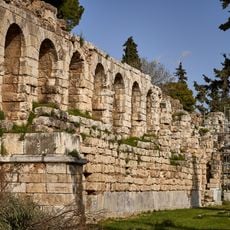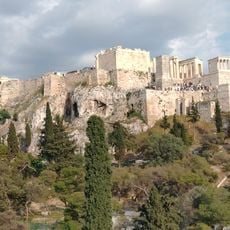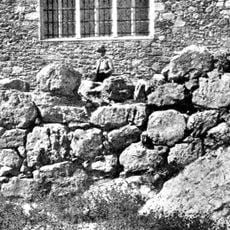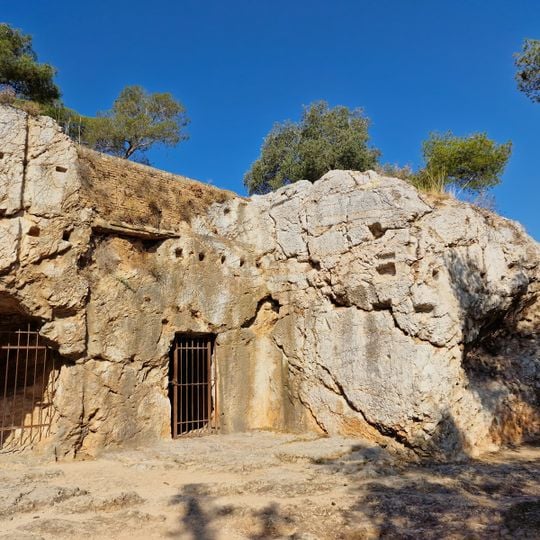
Prison of Socrates, Cave system in Filopappou Hill, Greece
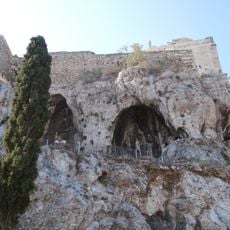
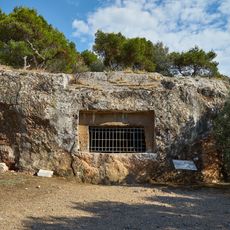
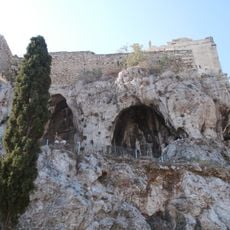
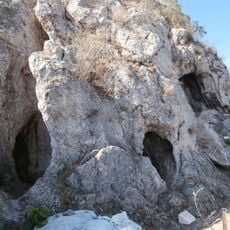
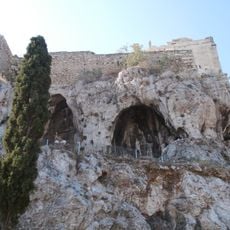
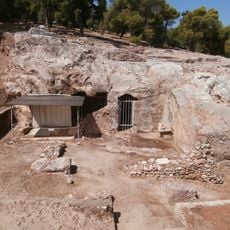
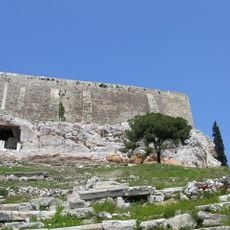
The Prison of Socrates is a rock-cut structure on Filopappou Hill, not a natural cave: three chambers open eastward, with a cistern at the back and a carved staircase on the south leading to higher levels. Beam sockets on the rock face point to a two- or three-storey building, and channels on the outer floor link to water conduits on its facade.
According to tradition, Socrates was held here before his execution in 399 BCE, marking a pivotal moment in ancient Greek history. Later, the caves sheltered museum artifacts during World War II from potential theft.
The site carries the memory of Socrates' final days, a moment that shifted how ancient Greeks thought about justice and philosophy. Walking through these chambers connects you to one of history's most debated trials.
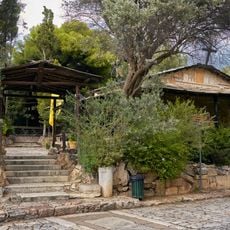
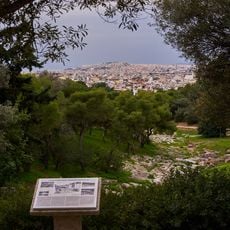
The site is freely accessible via marked trails on Filopappou Hill and sits within walking distance of Acropolis metro station. Wear sturdy shoes, as paths are uneven and some chambers have low entrances that require careful navigation.
The rock-cut structure likely belonged to a two- or three-storey building, as shown by the rows of beam sockets on the rock face. A carved staircase on the south side connected to its upper levels, and a small worn statuette of Socrates was found among the ruins.
The community of curious travelers
AroundUs brings together thousands of curated places, local tips, and hidden gems, enriched daily by 92,916 contributors worldwide.