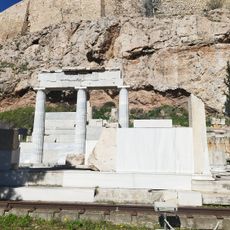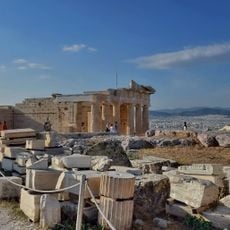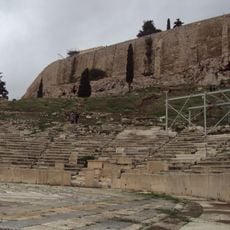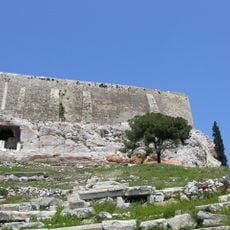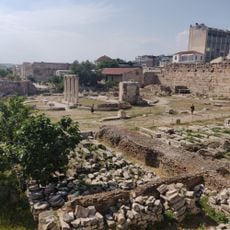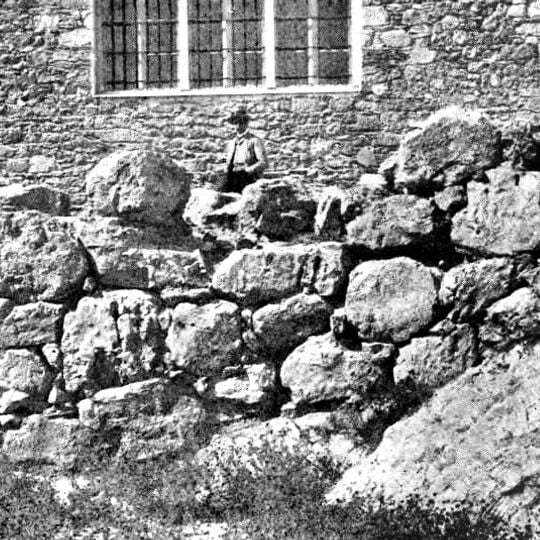
Pelasgic wall, Ancient defensive wall at Acropolis, Athens, Greece
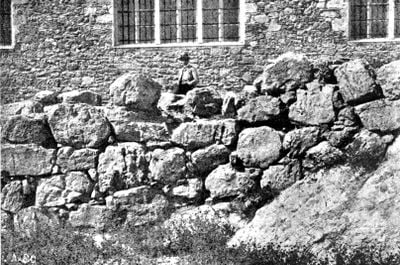
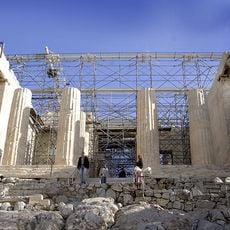
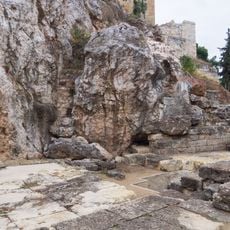
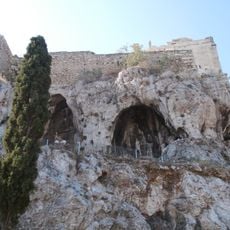
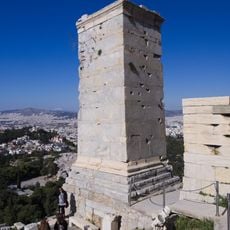
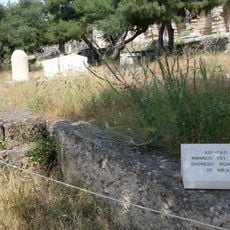
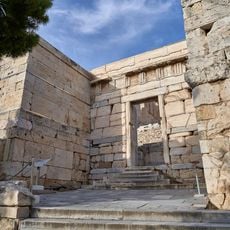
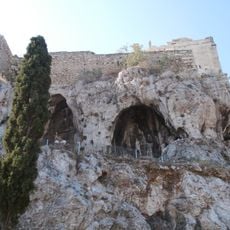
The Pelasgic wall runs along the western slope of the Acropolis as a defensive structure built from large stone blocks fitted together without mortar. Sections of this wall remain visible today near the Propylaia entrance, showing how it was constructed during the Mycenaean period.
The wall was built during the Mycenaean period to protect the Acropolis settlement. Persian forces damaged it during the invasions of the 480s BC, after which the structure was repaired and adapted for later defensive needs.
The construction methods of the Pelasgic wall demonstrate the engineering knowledge of ancient Greeks through their use of Cyclopean masonry techniques.
The wall sections are best viewed from the base of the Acropolis slope, especially near the Propylaia entrance where fragments are most visible. Plan to spend time walking around this area to notice the different construction layers and how they fit together.
The wall demonstrates Cyclopean masonry, a technique where massive stone blocks fit so tightly together without mortar that almost no gaps remain between them. This remarkable construction method was so impressive that later peoples believed only giants could have built it.
The community of curious travelers
AroundUs brings together thousands of curated places, local tips, and hidden gems, enriched daily by 91,135 contributors worldwide.