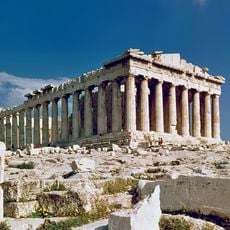
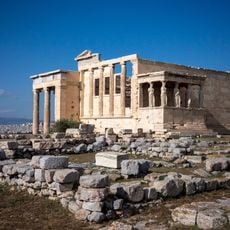
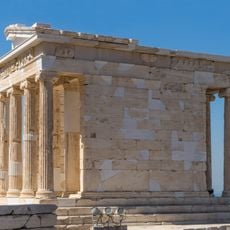
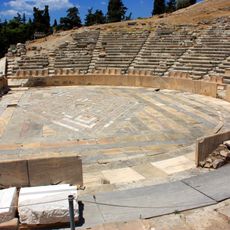
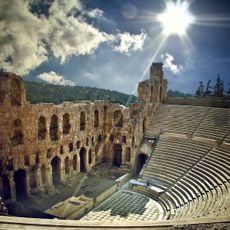
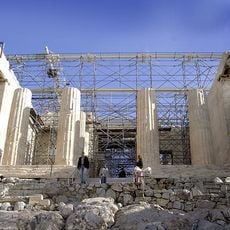
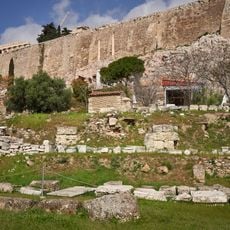
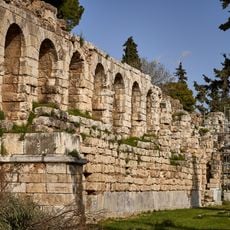
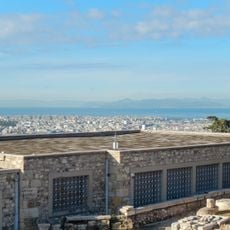
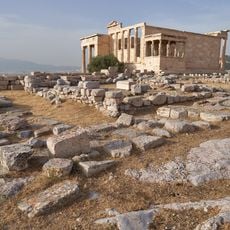
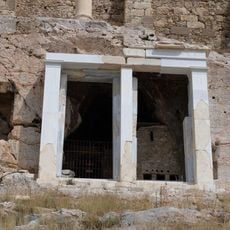
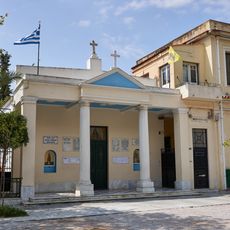
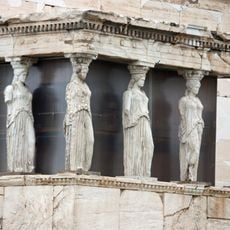
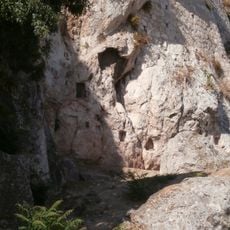
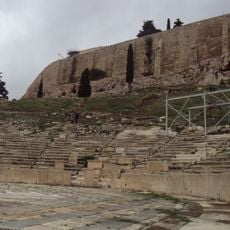
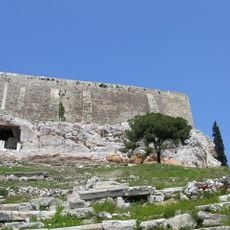
Asclepieion of Athens, Ancient healing sanctuary at the Acropolis southern slope, Athens, Greece.
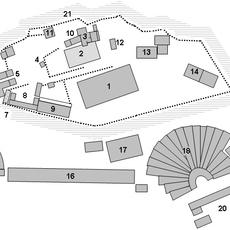
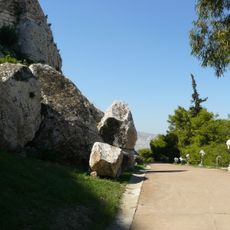
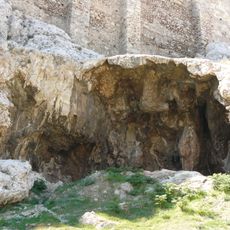
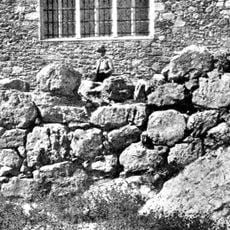
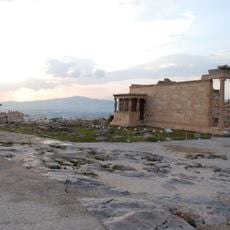
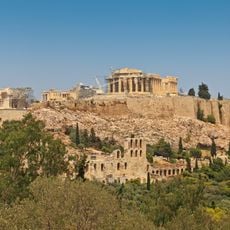
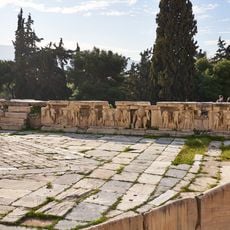
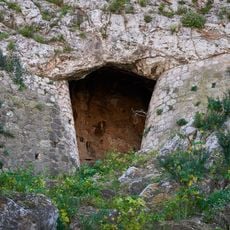
The Asclepieion of Athens is a healing sanctuary on terraces against the south slope of the Acropolis, west of the Theatre of Dionysos. It held a small temple of Asclepius with a cult statue, an altar, a sacred spring in a rock cave, a bothros and two stoas. The two-storey Doric stoa, built in 300/299 BCE, had 17 columns on its façade and served as a dormitory for incubation.
The sanctuary was established in 420 BC, possibly in response to a severe plague that struck Athens during the Peloponnesian War. Its creation reveals how ancient Athenians addressed health crises by turning to religious solutions and divine intervention.
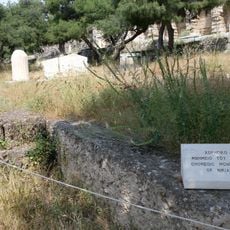
Pilgrims seeking healing slept in the Doric stoa's abaton, hoping for a dream in which Asclepius would cure them. Votive offerings, including anatomical ex-votos, were left at the sanctuary. The Telemachos Monument, a double-sided marble pillar, depicts the god's arrival from Epidaurus and his reception by Telemachos.
The site is easy to reach, located in a well-accessible area below the Acropolis with straightforward pathways. Visitors should wear comfortable shoes since the ground is uneven and shaded areas are limited.
The Telemachos Monument is a double-sided marble pillar topped with reliefs of the god's arrival from Epidaurus and his welcome by Telemachos. Its inscription records the founding of the sanctuary and altar, and the relief is now kept in the Acropolis Museum (inv. EAM 2490).
The community of curious travelers
AroundUs brings together thousands of curated places, local tips, and hidden gems, enriched daily by 93,369 contributors worldwide.