Altar of Athena Polias, Ancient altar site on the Acropolis, Athens, Greece
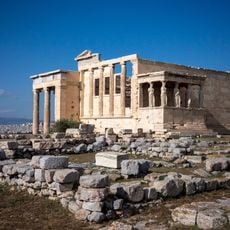
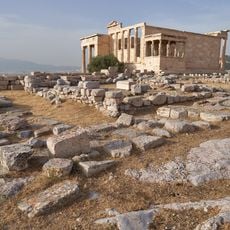
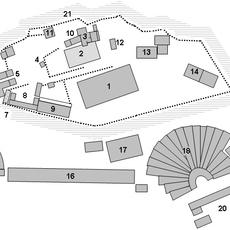
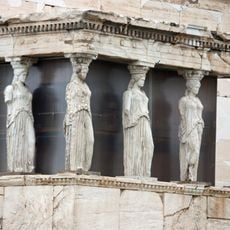
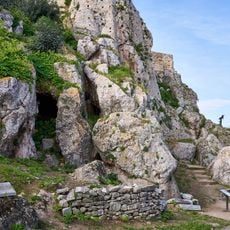
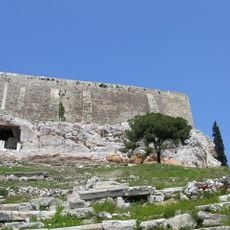
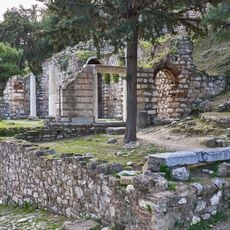
The Altar of Athena Polias is an archaeological site on the north side of the Acropolis, where stone foundations are visible next to the Erechtheion. The remains mark the spot where a large outdoor altar once stood within the sacred precinct dedicated to the goddess Athena.
The altar dates to around the 6th century BCE and was built over an even older place of worship on the Acropolis. It remained a central part of Athenian religious practice for centuries, even as the surrounding buildings changed around it.
Polias names Athena as protector of the city, and her altar was the place where the Panathenaic procession ended: after the new peplos was delivered to the goddess, about a hundred oxen were sacrificed in a hecatomb. The meat reserved for Athena was burned on the altar, while the rest was carried down to the Kerameikos for distribution among the population.
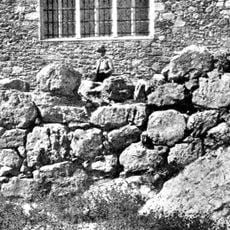
The altar is part of the Acropolis site and can be visited during the site's opening hours along with the other monuments on the hill. The ground around the remains is uneven and rocky, so sturdy footwear makes the visit much more comfortable.
The altar itself was never a building but an open-air platform where animals were sacrificed in full view of the sky, because ancient Greeks believed the gods watched from above. The smoke from the offerings rose upward as a direct message to the divine.
The community of curious travelers
AroundUs brings together thousands of curated places, local tips, and hidden gems, enriched daily by 93,581 contributors worldwide.