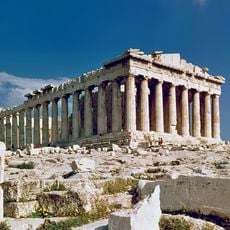
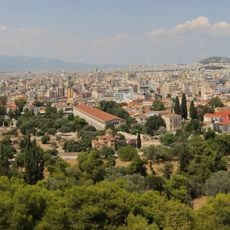
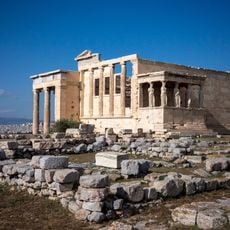
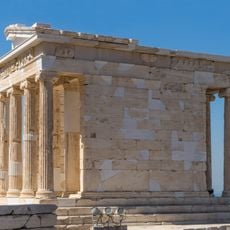
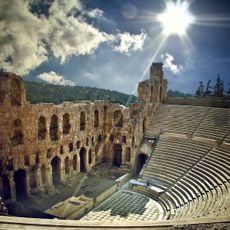
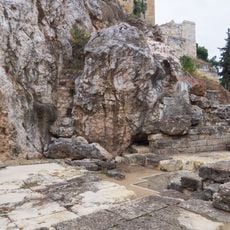
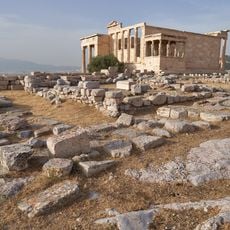
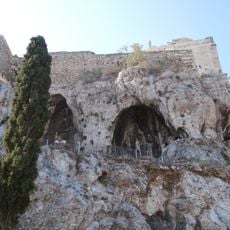
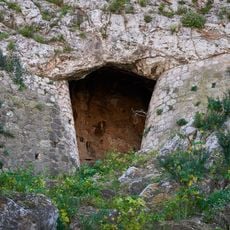
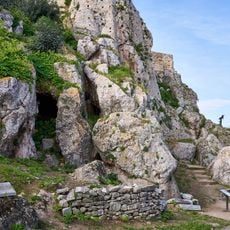
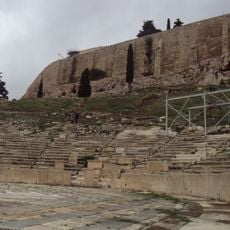
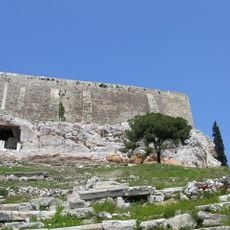
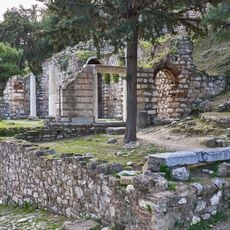
Propylaea of Athens, Monumental gateway at Acropolis, Greece
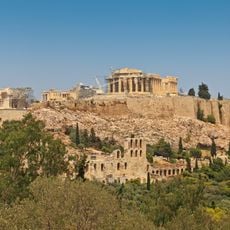
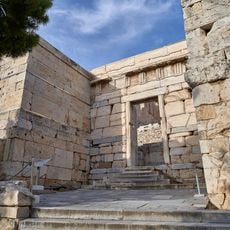
The Propylaea is a monumental gateway on the Acropolis built with a central structure flanked by two wings. Doric columns line the outer facades, while Ionic columns support the interior passages and create an expansive entryway.
Construction of this ceremonial entrance started in 437 BCE under Pericles but stopped in 432 BCE when war broke out. The interruption left the building never fully completed as planned.
The name Propylaea comes from the Greek πρό (before) and πύλη (gate), meaning "that which is before the gates". The central pair of Doric columns was spaced wider than the others so the chariot of the Panathenaic procession, held every four years on Athena's birthday, could pass through.
Visitors climb marble steps to reach the gateway, with the central passage noticeably wider than the side paths. The uneven terrain and varying heights require steady footing, especially in wet conditions or on slippery shoes.
The metal grid now covering the gateway is scaffolding for restoration, not part of the ancient design. Nikolaos Balanos's 1909–1917 campaign used iron clamps and beams; since 1981 these corroded inserts have been removed and replaced with titanium joints, and over 190 blocks of the central hall's upper structure were dismantled and restored between 1990 and 2003.
The community of curious travelers
AroundUs brings together thousands of curated places, local tips, and hidden gems, enriched daily by 92,880 contributors worldwide.