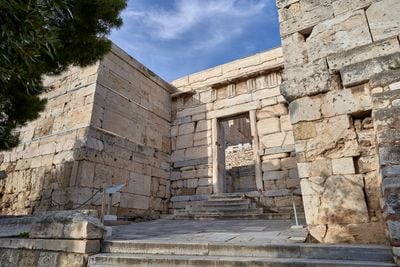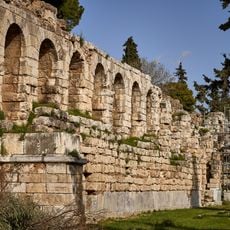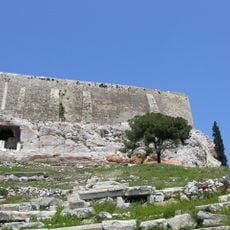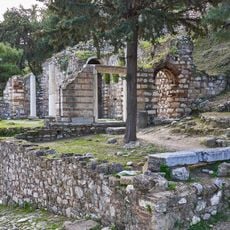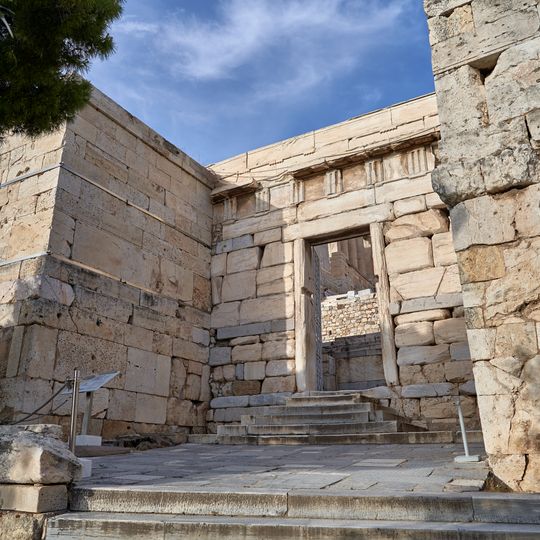
Beulé Gate, Roman fortified gate at Acropolis of Athens, Greece
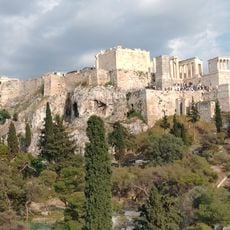
The Beulé Gate is a Roman fortified entrance at the Acropolis of Athens that served as the western access point to the hilltop complex. It features two projecting towers flanking a central passageway and was constructed using stone blocks recycled from earlier monuments.
The gate was built in response to a raid by the Heruli people in the third century, when the Acropolis needed stronger defenses. Its construction marked a shift in how the site functioned, transforming from a mainly religious sanctuary into a fortified stronghold.
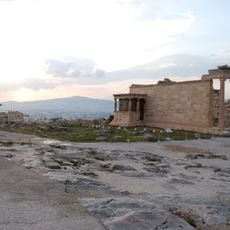
The structure marks a transformation in the Acropolis function, shifting from a religious center to a fortified defensive position in the third century.
Most visitors pass through this gate when leaving the Acropolis complex, since the main entrance is located on the southeastern side. The surrounding area can be steep and slippery, especially after rain, so sturdy footwear is helpful for navigating the site safely.
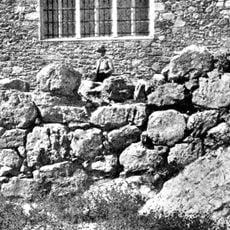
French archaeologist Charles Ernest Beulé uncovered this gate during excavations in the 1850s, finding it buried beneath a later Ottoman fortification. The discovery revealed how the Romans had reinforced this entrance centuries after the site's original construction.
The community of curious travelers
AroundUs brings together thousands of curated places, local tips, and hidden gems, enriched daily by 91,236 contributors worldwide.