Spring of Pnyx
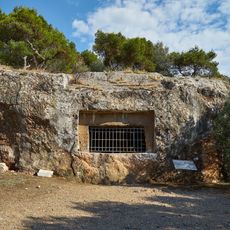
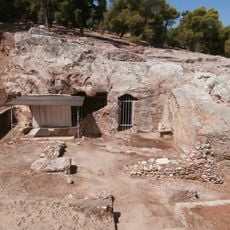
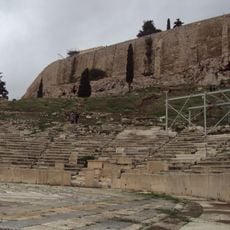
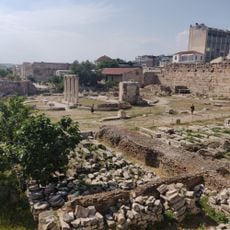
The Spring of Pnyx is an ancient water installation on the hill of the same name in Athens, featuring a chamber carved directly into the rock with steps leading downward. The structure demonstrates how early Athenians engineered their water systems to collect and store water for daily use.
The spring was constructed during the time of Peisistratus in the 6th century BC as part of large-scale water projects that included fountains and underground channels. It played a key role in supplying water to Athens for generations and remained an essential part of the city's infrastructure.
The name reflects the gatherings that took place here, where citizens came together to speak and make decisions about their city. The spring was woven into this landscape as a source of sustenance for those who assembled on the hill to discuss matters that shaped their lives.
The site is easy to reach on foot and offers several small paths to explore around the hills. Visitors should choose early mornings or late afternoons for the best lighting and the quietest experience.
Near the spring, archaeologists discovered a chamber with a mosaic floor, suggesting the site was important enough to include decorative elements. This reveals that the location held both practical and ceremonial value beyond its role as a simple water source.
The community of curious travelers
AroundUs brings together thousands of curated places, local tips, and hidden gems, enriched daily by 91,353 contributors worldwide.