Koile, Ancient deme in Hippothontis, Greece
Koile is an ancient deme located within the Hippothontis region of Attica, situated between urban and rural territories. It functioned as an administrative division that included both residential areas and agricultural land, serving as a basic unit of Athenian civic organization.
Koile belonged to the phyle Hippothontis and sent three delegates to the Boule of 500 from 508/7 to 307/6 BCE. Between 307/6 and 201/200 BCE it was attached to the Macedonian phyle Demetrias, sending three delegates to the Boule of 600. After the Macedonian tribes were dissolved, it returned to Hippothontis with an unknown number of representatives.
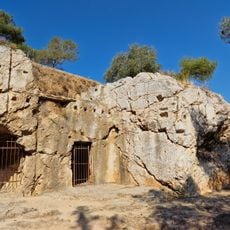
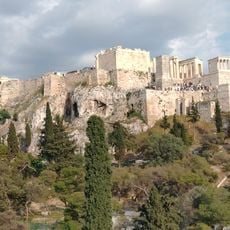
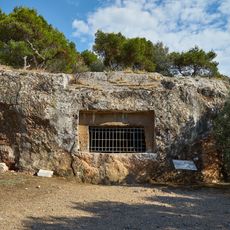
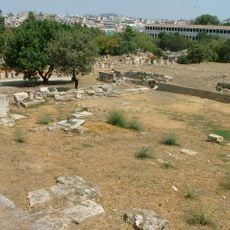
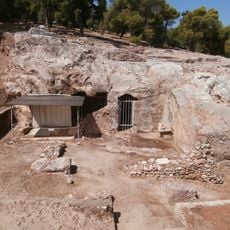
Citizens of Koile were recorded as "ek Koiles", the demotic form used in inscriptions and documents. The deme's own agora and the tombs along the Koile Road, including that of the historian Thucydides, made the district a landmark Athenians passed on the road linking the Acropolis area with Piraeus.
This location is primarily studied through ongoing archaeological work that documents and examines the remains. Visitors interested in learning about ancient Athenian administrative structures will find that scholarly research continues to uncover details about how the deme functioned.
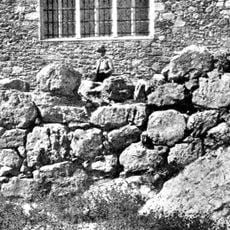
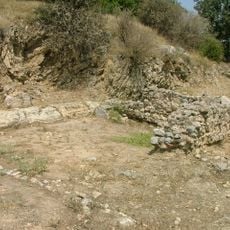
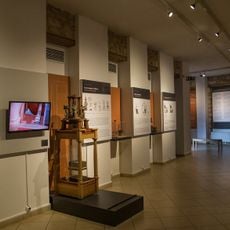
Excavations along the 500-metre stretch of the ancient Koile road found it 3.50 to 8.50 metres wide and built for two-way traffic. A section of its paving and retaining wall is preserved in a specially arranged space on the ground floor of a building on Dimofontos Street in Petralona.
The community of curious travelers
AroundUs brings together thousands of curated places, local tips, and hidden gems, enriched daily by 93,896 contributors worldwide.