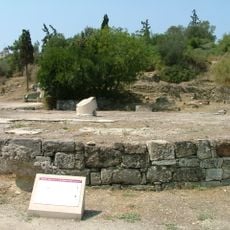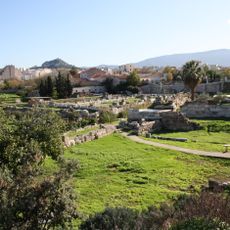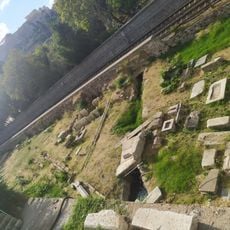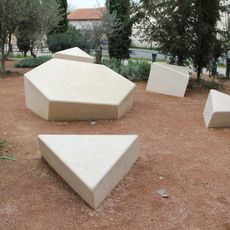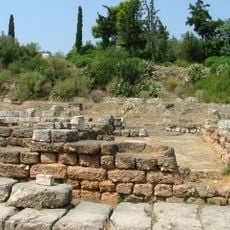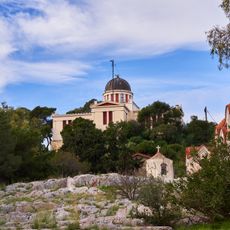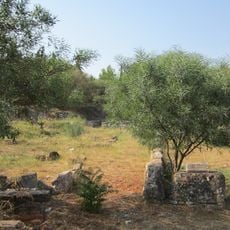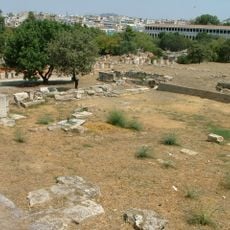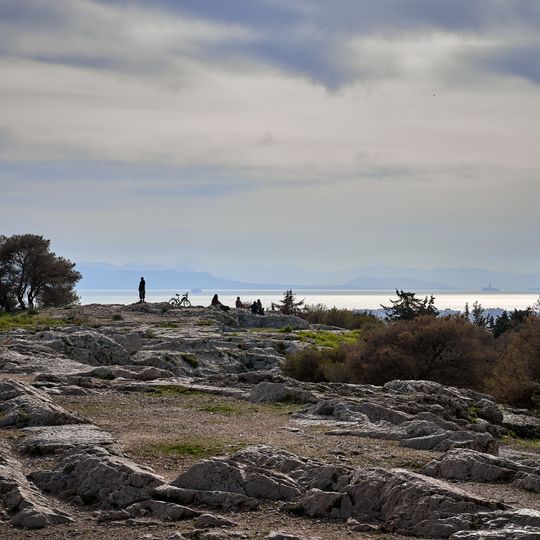
Melite, Ancient deme in central Athens, Greece.
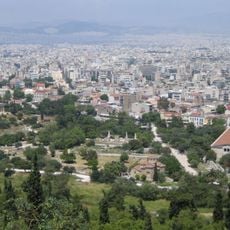
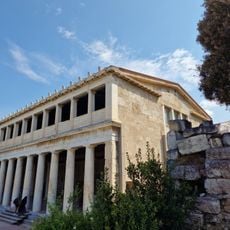
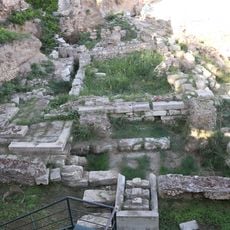
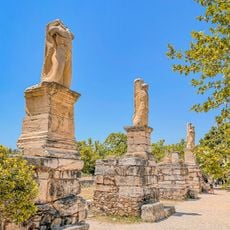
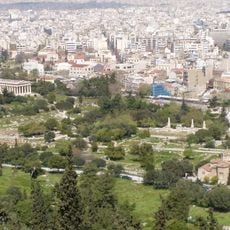
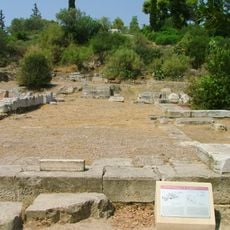
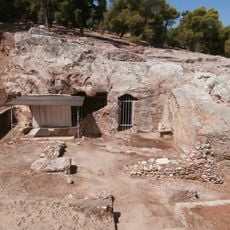
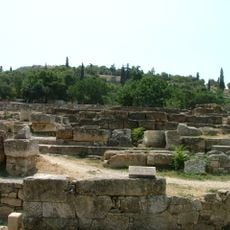
Melite was a deme in central Athens that extended across the western part of the city, encompassing the Agora and the Pnyx near the Acropolis walls. This administrative district was defined by its central location and proximity to major public spaces and gathering areas.
The deme gained prominence after Cleisthenes' reforms in 508 BCE, when it became part of the Kekropis tribe within a reorganized administrative system. This restructuring shaped Athenian political life for centuries that followed.
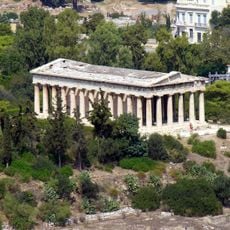
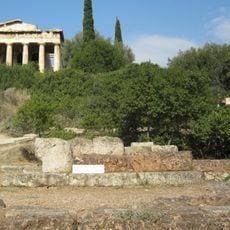
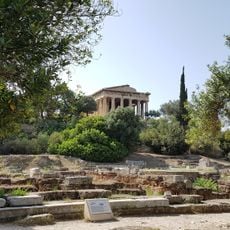
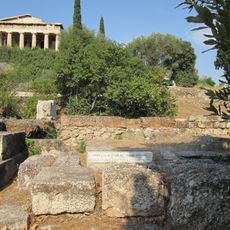
The deme housed multiple sanctuaries, including a temple dedicated to Hephaestus with its distinctive columns visible throughout the area. People gathered at these religious sites, which shaped the rhythm of daily life and community gatherings.
The deme occupied a central location in Athens, making it attractive for those wanting to live near the Agora and Pnyx. This prime position drew people who wished to participate actively in public affairs and community life.
The name Melite derives from the Greek word for honey, countering earlier theories that suggested Phoenician origins. This etymology connects the deme to local beekeeping traditions and the importance of honey in ancient trade and daily life.
The community of curious travelers
AroundUs brings together thousands of curated places, local tips, and hidden gems, enriched daily by 91,727 contributors worldwide.