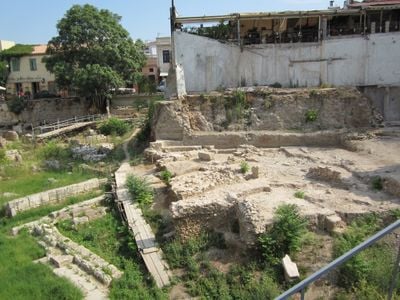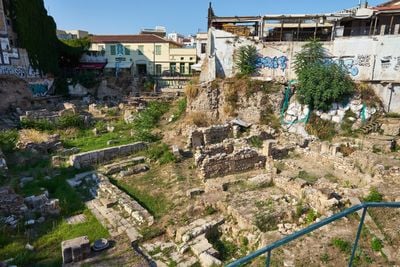
Stoa Poikile, Archaeological site in Ancient Agora, Athens, Greece
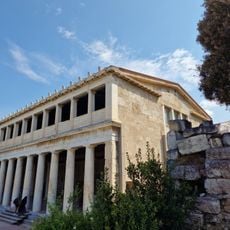
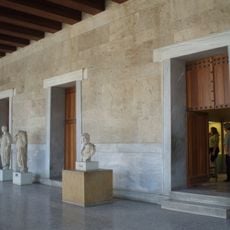
The Stoa Poikile was a long covered hall in the northern part of the Ancient Agora, with Doric columns on the outside and Ionic ones inside. The structure offered a shaded walkway and broad walls that served as a surface for large painted panels.
Peisianax, brother-in-law of Cimon, commissioned the building in the fifth century BCE to celebrate Athens after the Persian Wars. Later, followers of Zeno gathered here, giving the Stoic philosophy its name.
The four large wall paintings showed mythical and real battles of Athens, including Marathon, reminding citizens of the city's victories. Philosophers and thinkers met here daily to exchange ideas, while other visitors enjoyed the art and the shade of the colonnades.
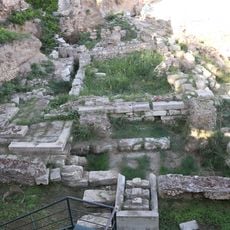
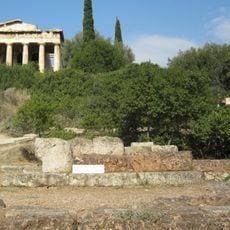
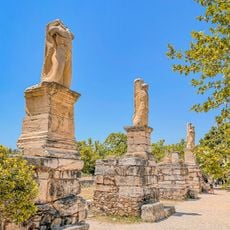
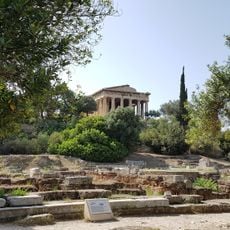
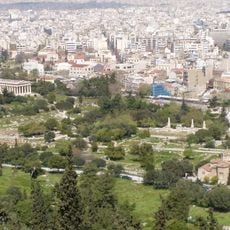
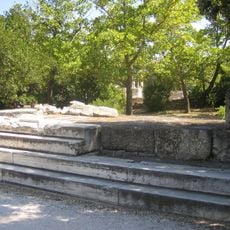
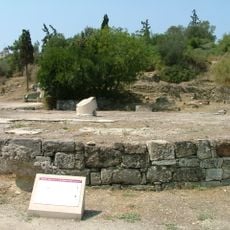
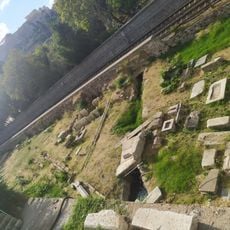
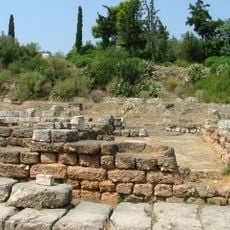
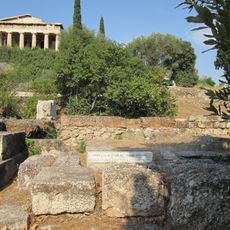
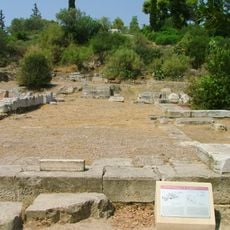
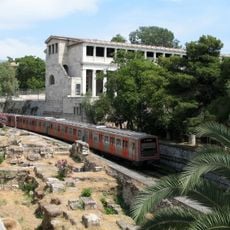
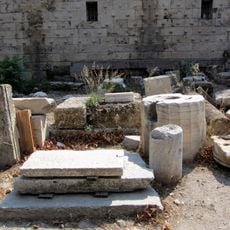
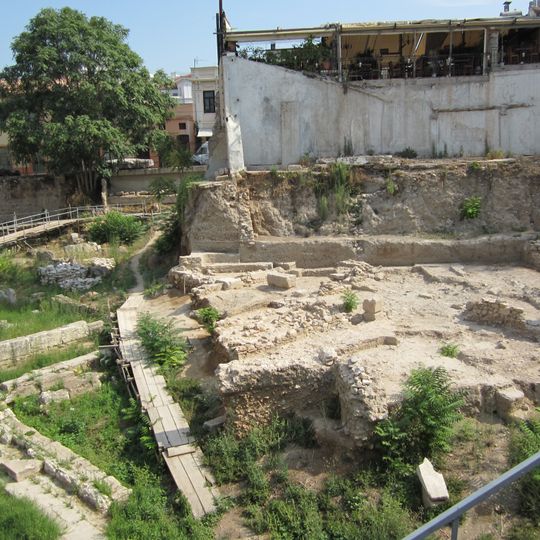
The remains lie near the Monastiraki neighborhood and form part of ongoing excavations conducted by the American School of Classical Studies. Visitors can spot foundations and some restored architectural pieces while exploring the northern zone of the Agora.
The name Stoics comes directly from this building, where Zeno delivered his teachings and attracted students. The philosophy school held its meetings here for generations, making the place part of intellectual history.
The community of curious travelers
AroundUs brings together thousands of curated places, local tips, and hidden gems, enriched daily by 92,347 contributors worldwide.