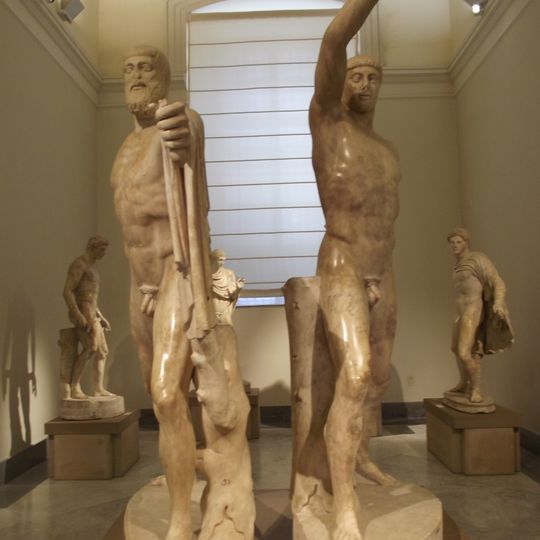
Harmodius and Aristogeiton, Bronze sculpture group at Ancient Agora, Greece
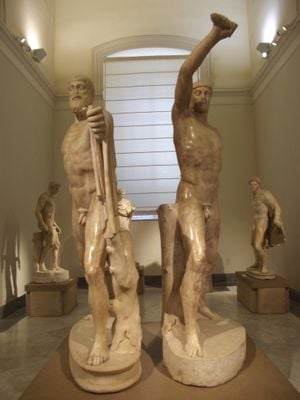
Harmodius and Aristogeiton is a bronze group sculpture at the Ancient Agora depicting two warriors in forward motion with raised weapons. The figures stand about 182 centimeters tall and display dynamic posture suggesting determination and action.
The original bronze was created around 477 BCE by sculptors Critius and Nesiotes to replace an earlier version taken by Persian king Xerxes. This recreation marked a turning point in how ancient Greeks memorialized important events and people.
The pair symbolizes citizens who resisted tyranny and became central to how Athenians understood their own freedom. Visitors can see them as a monument to the idea that ordinary people can stand up against power.
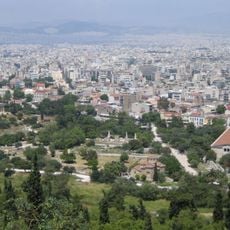
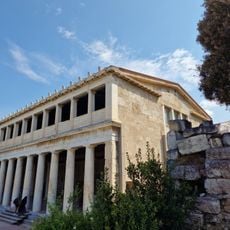
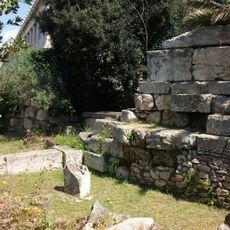
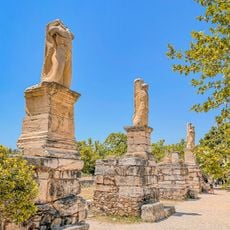
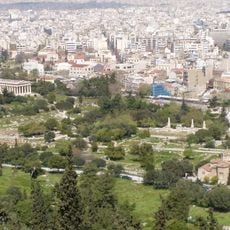
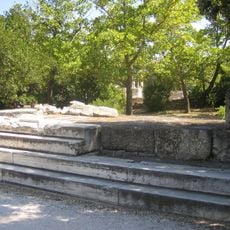
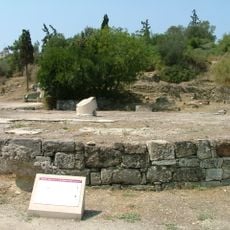
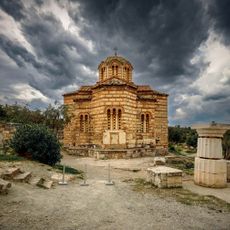
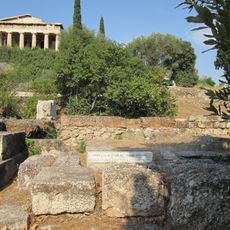
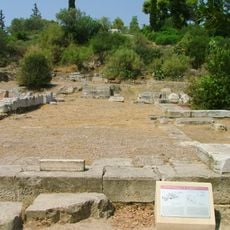
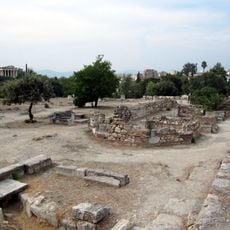
The memorial sits at the entrance of the Ancient Agora and is straightforward to locate; marble Roman copies can be found in museums elsewhere. Plan time to view the composition from different angles and appreciate the movement and detail in the figures.
This work is considered the first public political memorial in Europe, setting a new standard for how cities would remember important moments. Its forward-leaning composition with energetic figures became a model copied by artists across centuries.
The community of curious travelers
AroundUs brings together thousands of curated places, local tips, and hidden gems, enriched daily by 91,123 contributors worldwide.