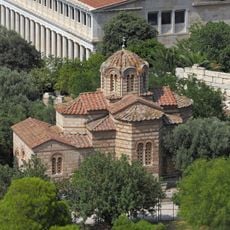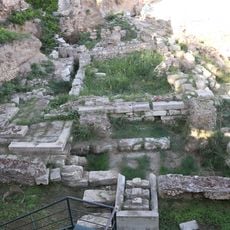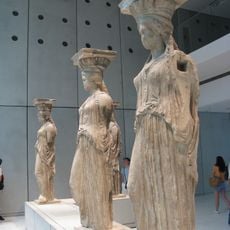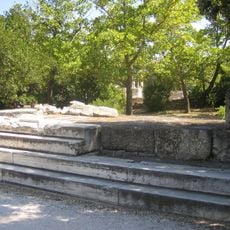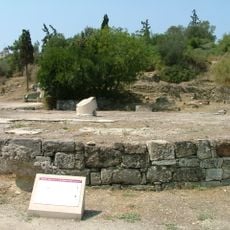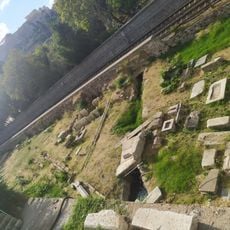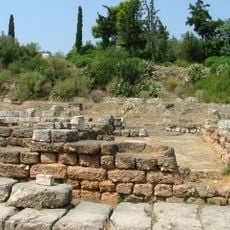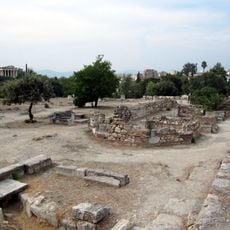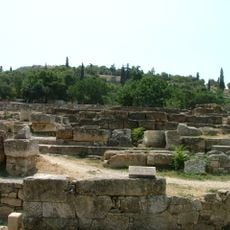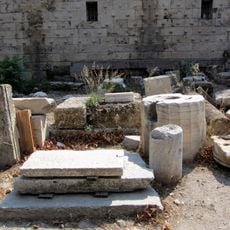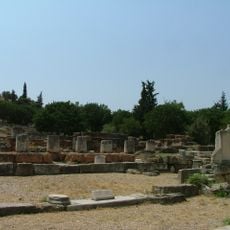
Ancient agora of Athens, Archaeological site northwest of Acropolis, Athens, Greece.
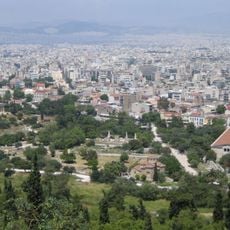
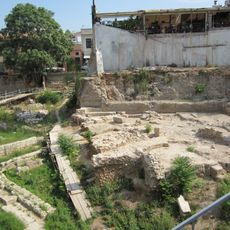
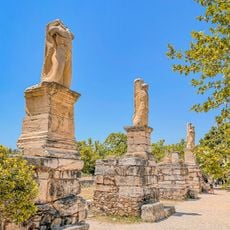
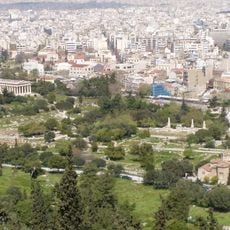
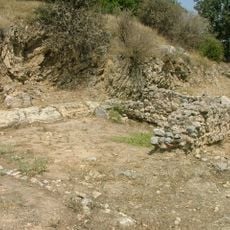
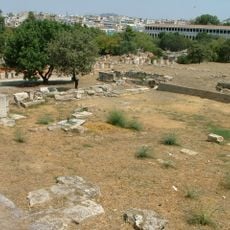
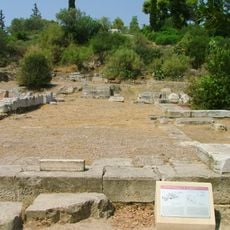
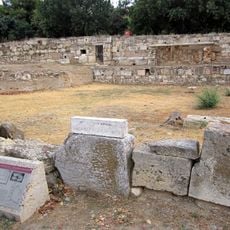
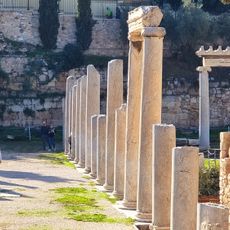
The Ancient Agora is an archaeological site northwest of the Acropolis containing the remains of administrative buildings, temples, and commercial structures. The ruins spread across a large area and reveal how a classical marketplace was organized.
The Agora served as the main marketplace and civic center of Athens from the 6th century BCE until invaders destroyed it in 267 CE. The site continued to be modified during the Roman period and later occupations.
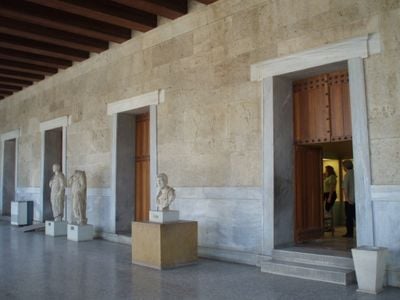
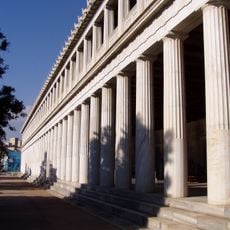
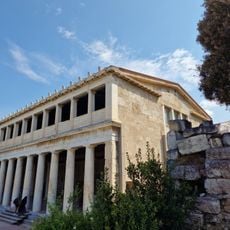
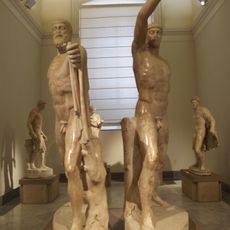
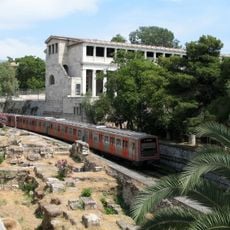
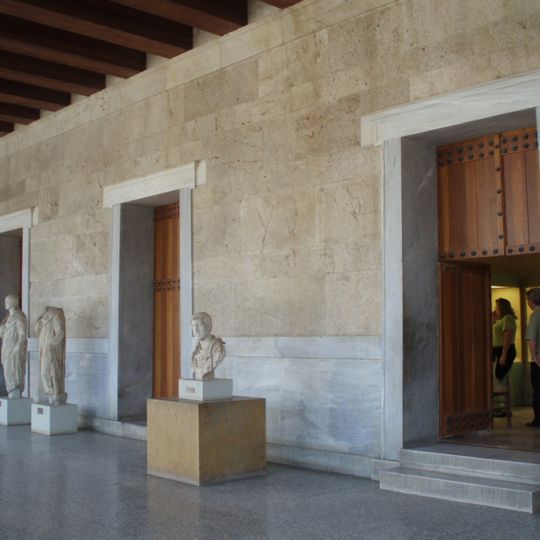
The Stoa of Attalos contains the site museum with objects showing how people bought and sold goods, gathered to discuss city matters, and lived their daily routines in ancient times. These remains reveal the social habits and communal spaces that shaped daily life for Athenians.
The site is open daily and best visited in the morning when it is cooler. Wear comfortable shoes and bring water, as the area is open and exposed to direct sun.
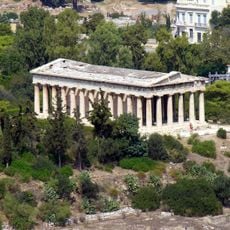
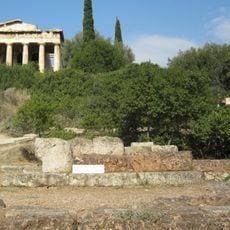
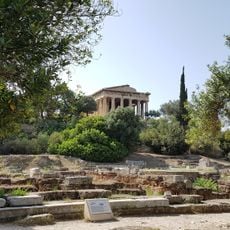
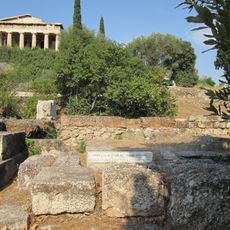
The Temple of Hephaestus retains its original roof and columns from the 5th century BCE, making it the best-preserved classical temple in Greece. This rare completeness reveals ancient building techniques and how the structure has withstood centuries of use.
The community of curious travelers
AroundUs brings together thousands of curated places, local tips, and hidden gems, enriched daily by 91,944 contributors worldwide.