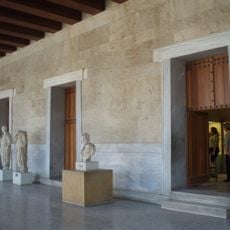
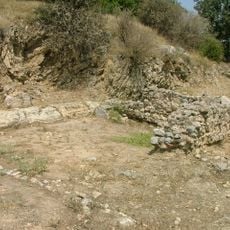
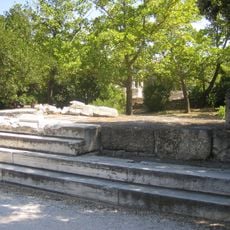
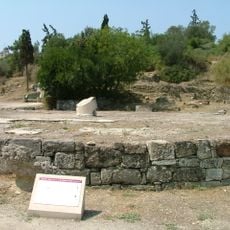
Colonos Agoraios, Archaeological hill in Ancient Agora, Greece
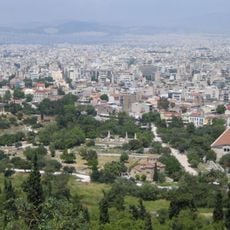
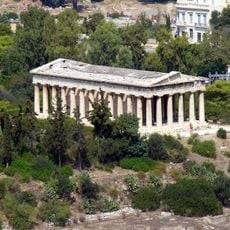
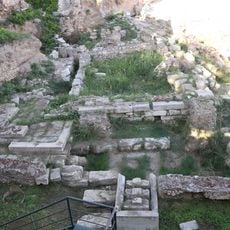
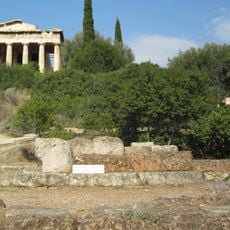
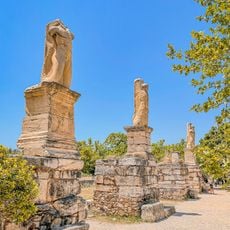
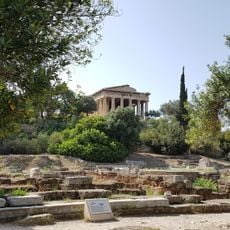
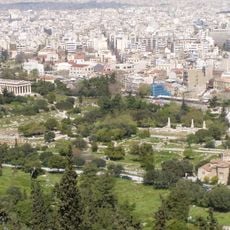
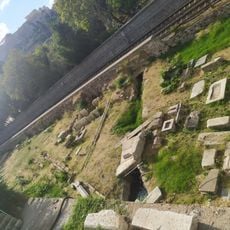
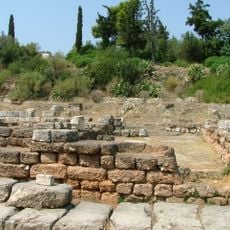
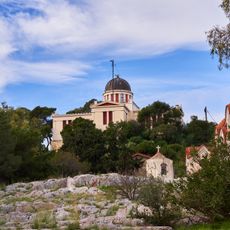
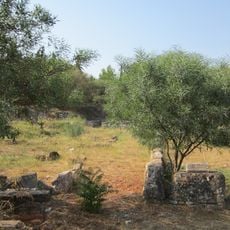
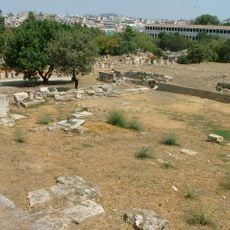
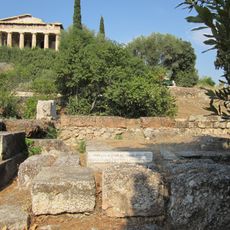
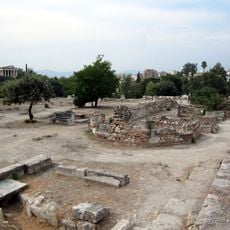
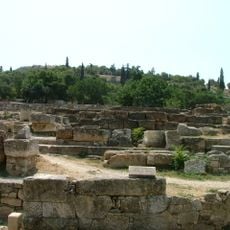
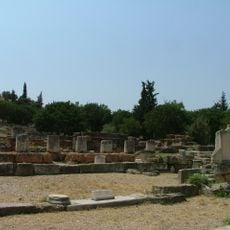
Colonos Agoraios is a low hill northwest of the Areopagus, forming the western boundary of the Ancient Agora. The Temple of Hephaestus stands on its summit, and on its eastern slope, north of the Old Bouleuterion, the Synedrion was probably built in the 5th century BC.
The hill became a hub for craftspeople and metal workers during classical Athens, with workshops and production areas operating on its slopes and surrounding space. This industrial character persisted through several centuries as the site served the city's need for manufactured goods and artistic creations.
The hill served as a gathering place for artisans and craftspeople working in metalwork and stone carving throughout ancient times. Today you can sense this connection to production and craftsmanship when standing on the slope with the temple of Hephaestus nearby, reminding visitors of the working life that once filled this area.
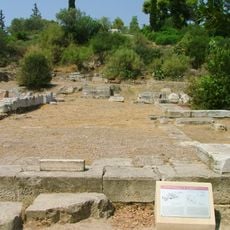
You can reach the hill through the main entrance of the Ancient Agora site, which is open daily during daylight hours. The climb is manageable for most visitors, and marked paths guide you through the remains with interpretive signs placed at key spots.
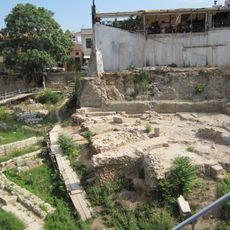
The hill's name means "the hill next to the Agora", because the ancient Athenian marketplace was built against its eastern edge and took its name from it. It is not the same as Hippios Kolonos, the ancient deme near today's Kolonos district. On its eastern slope, north of the Old Bouleuterion, stood the Synedrion, a secondary assembly place of citizens probably built in the 5th century BC and still in use in the 4th.
The community of curious travelers
AroundUs brings together thousands of curated places, local tips, and hidden gems, enriched daily by 94,095 contributors worldwide.