See the monuments around you in AROpen chests in the app
Around Us is built for your phone — point your camera at the streets and discover the monuments and places around you in augmented reality.Around Us is built for your phone — chests unlock when you walk, explore and capture nearby places.
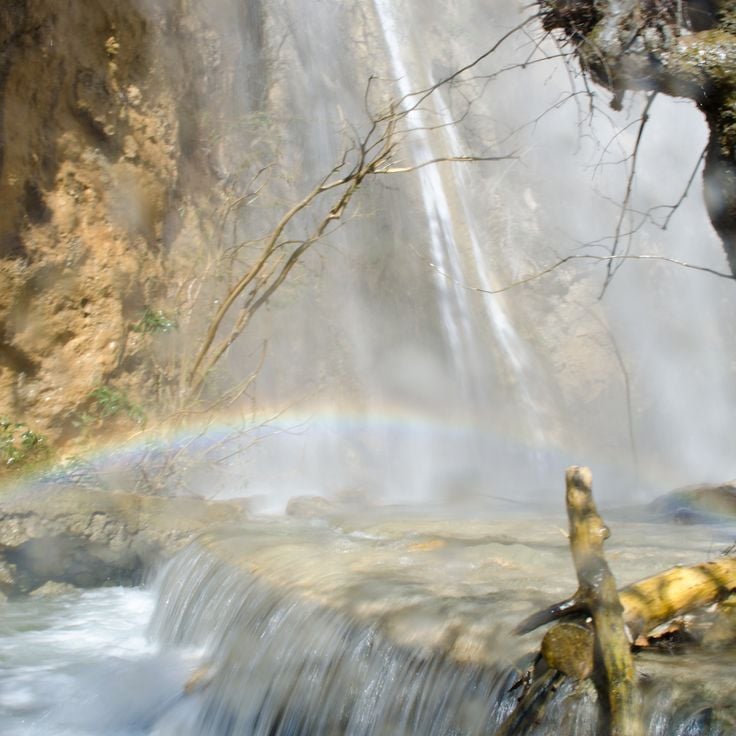
Greece holds natural water basins formed by geological processes over thousands of years. These include cold mountain springs, thermal springs heated by underground volcanic activity, waterfalls that have carved pools into rock, and coastal lagoons where seawater fills hollows in stone. Some are found in mountain regions where rivers drop over cliffs and create basins below. Others sit along the coast where the sea enters rock formations or gathers in protected coves. Water temperatures range from cool in mountain streams to around 95 degrees Fahrenheit (35 degrees Celsius) in hot springs. The pools at Polylimnio in the Peloponnese show typical cascades formed by flowing water over limestone. Neda Waterfall carries water year-round and drops into a deep basin surrounded by cliffs. On Samothrace Island, the Fonias pools form a series of natural basins along a mountain river. Along the coast of Crete, Seitan Limania is a narrow inlet between high cliffs with turquoise water accessible only on foot or by boat. Giola Lagoon on Thassos is a round pool carved into rock by natural erosion and connected directly to the sea. These places attract visitors who want to swim in natural settings away from constructed beaches. Some locations require walking on trails to reach them, while others are closer to roads and easier to access.
Greece holds natural water basins formed by geological processes over thousands of years. These include cold mountain springs, thermal springs heated by underground volcanic activity, waterfalls that have carved pools into rock, and coastal lagoons where seawater fills hollows in stone. Some are found in mountain regions where rivers drop over cliffs and create basins below. Others sit along the coast where the sea enters rock formations or gathers in protected coves. Water temperatures range from cool in mountain streams to around 95 degrees Fahrenheit (35 degrees Celsius) in hot springs. The pools at Polylimnio in the Peloponnese show typical cascades formed by flowing water over limestone. Neda Waterfall carries water year-round and drops into a deep basin surrounded by cliffs. On Samothrace Island, the Fonias pools form a series of natural basins along a mountain river. Along the coast of Crete, Seitan Limania is a narrow inlet between high cliffs with turquoise water accessible only on foot or by boat. Giola Lagoon on Thassos is a round pool carved into rock by natural erosion and connected directly to the sea. These places attract visitors who want to swim in natural settings away from constructed beaches. Some locations require walking on trails to reach them, while others are closer to roads and easier to access.
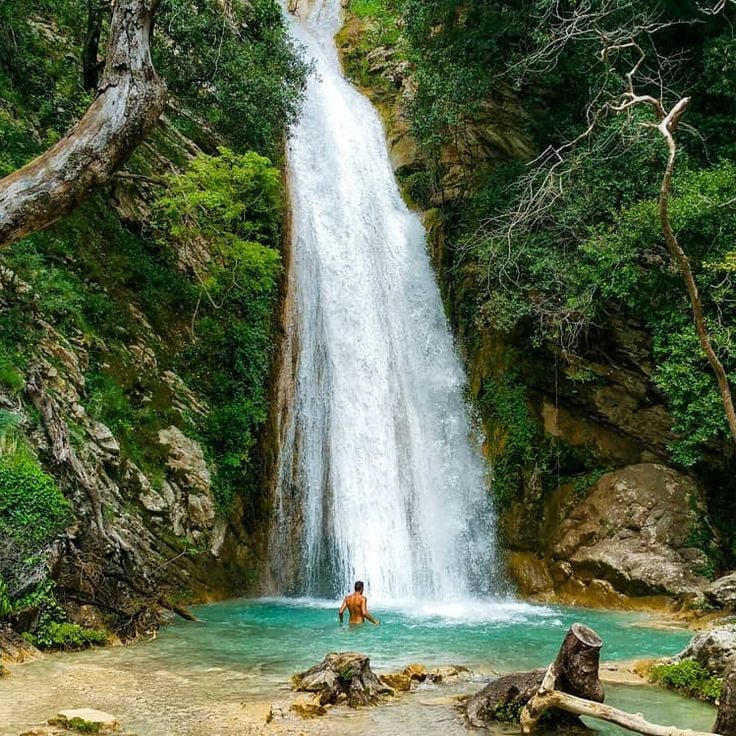
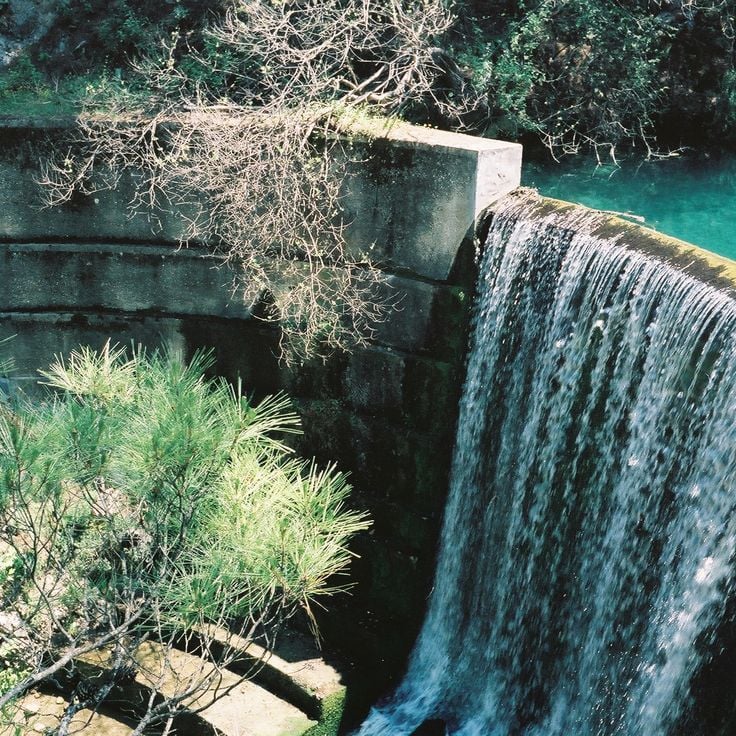
This waterfall carries water year-round and drops into a deep basin surrounded by cliffs. The natural pool formed through geological processes over thousands of years, as flowing water eroded stone and carved a hollow. The river falls from several meters high and creates a pool at the bottom where visitors can swim. The temperature remains cool throughout the year because the water comes directly from the mountains. Rocks and vegetation frame the site and provide shade during warm months. A footpath leads through forested terrain down to the basin. The sound of falling water is audible from a distance. Many come here to swim in a natural setting away from constructed beaches.
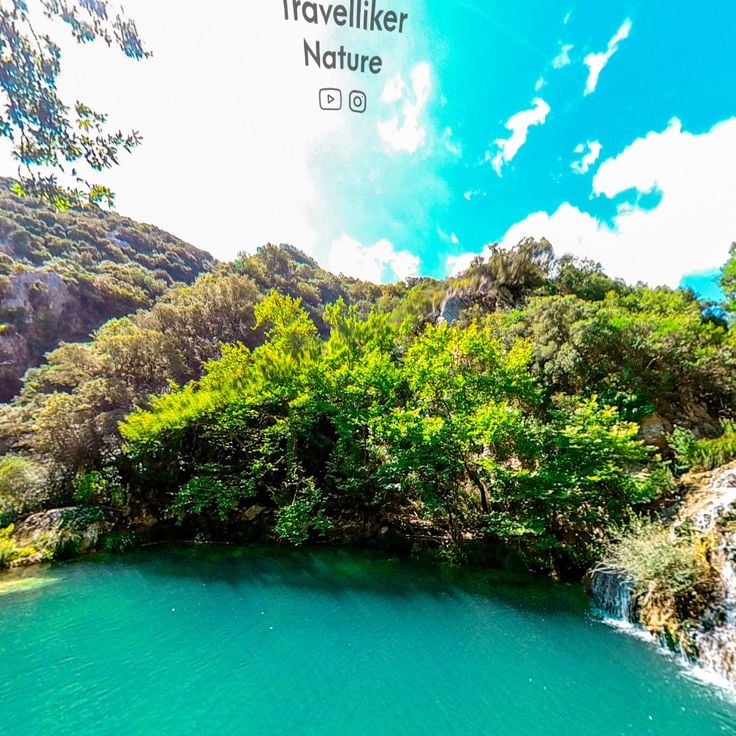
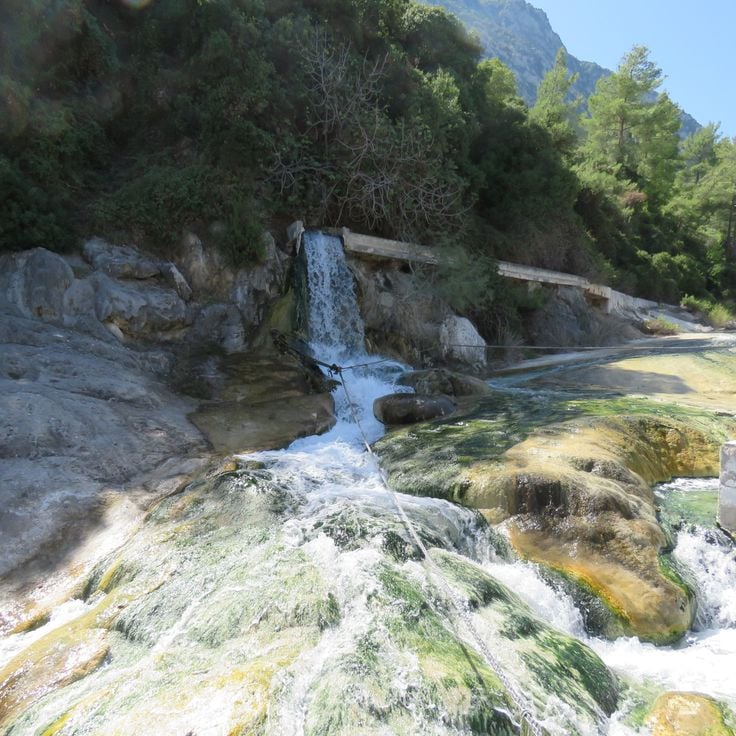
These natural pools sit in a forested valley where a stream flows down through several levels, forming a series of water basins. The water is clear and cool, surrounded by wild plants and Mediterranean greenery. The pools are connected by small waterfalls, and the larger basins invite swimming. The path winds over stones and roots, and the sound of water accompanies every step. In summer, people come here to cool off and enjoy the landscape, while in winter the water level rises and the current grows stronger.
These natural pools in the Fonias River sit deep in a gorge on Samothrace, surrounded by dense green forest. The water comes straight from the mountains and stays cold all year. Those who hike here follow a narrow path along the riverbed, past rocks and roots. At the waterfall, water collects in a deep basin where brave visitors swim. The air feels damp and cool, and the sound of rushing water follows every step.
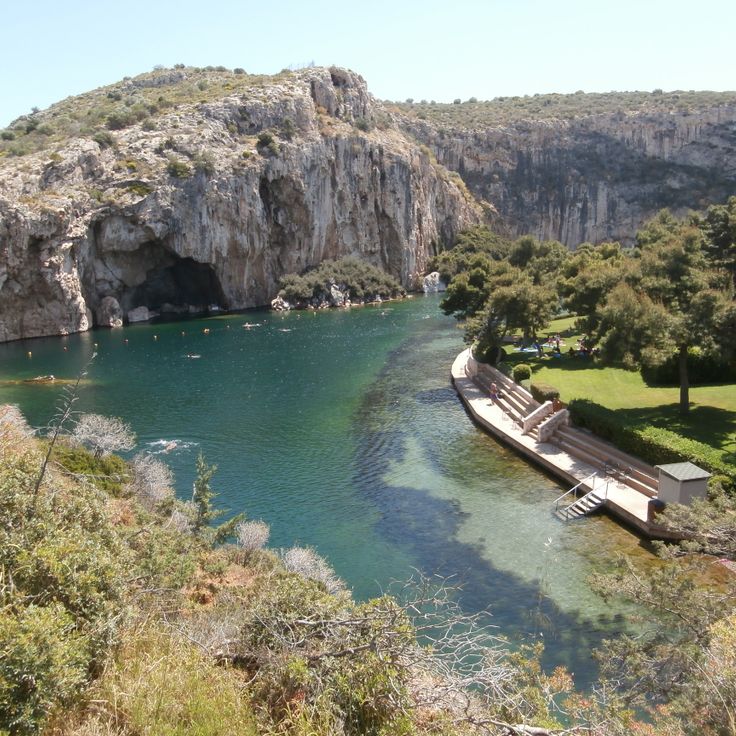
This thermal lake formed inside limestone rock and is fed by underground springs. The water maintains a steady temperature of around 75 degrees Fahrenheit (24 degrees Celsius) throughout the year. Small fish swim in the mineral-rich water and gently nibble at the skin of swimmers. The spring flows continuously, naturally refreshing the water. The basin floor slopes gradually, and in some places deeper sections form. Vegetation grows along the banks, framing the turquoise water. The constant temperature makes this lake a swimming spot in any season within this collection of natural water basins in Greece.
These sulfur springs flow from the ground at around 104 degrees Fahrenheit (40 degrees Celsius), just a short walk from the ancient battlefield. The warm water comes from underground rock layers and has been used for centuries. Romans built baths here in the 2nd century, and traces of their structures remain visible today. Steam rises from the pools, carrying a mild sulfur scent. Locals visit regularly for bathing, especially during cooler months. The Thermopylae Springs are part of the natural water basins found across Greece, from the mountains of Thrace to the coast of Crete, offering places to swim throughout the country.
This water source lies in a wooded valley on Rhodes and feeds a small lake with clear water. Seven natural springs emerge from the ground and join into a stream that flows through a narrow tunnel. The surrounding forest consists of pine and plane trees that provide shade during summer. The basin at the end of the tunnel invites swimming, and the water remains cool even on hot days. Locals and travelers visit the site for its quiet setting and the pleasant temperature of the water.
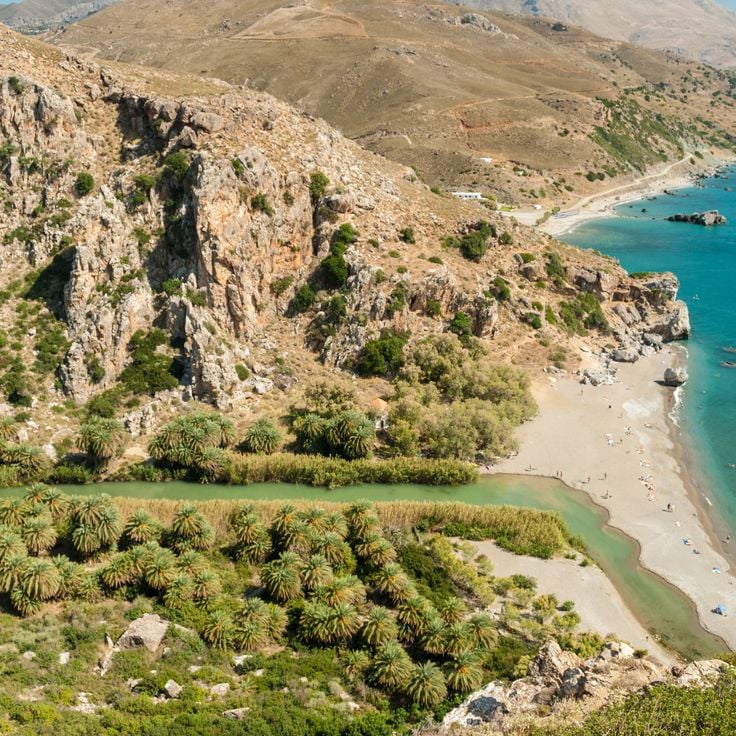
This river makes its way through a dense grove of palms and empties into a lagoon by the Mediterranean. The cold freshwater gathers in a natural basin before reaching the sea. People swim in the river or in the lagoon, where the cooler river water mixes with the warm seawater. The palms provide shade along the banks. The beach sits at the mouth of the lagoon. This natural water basin lies on the southern coast of Crete and can be reached by a path from the top of the cliffs.
This waterfall drops about 40 meters (130 feet) into a round basin fed by mountain streams. The water stays cool and clear throughout the year. The Waterfall of Milona sits within a gorge on Crete, surrounded by rock walls and vegetation that provide shade. Access follows a narrow path along the edge of the gorge. The basin offers a place to swim, especially during the warm months when the cool water provides relief from the heat.
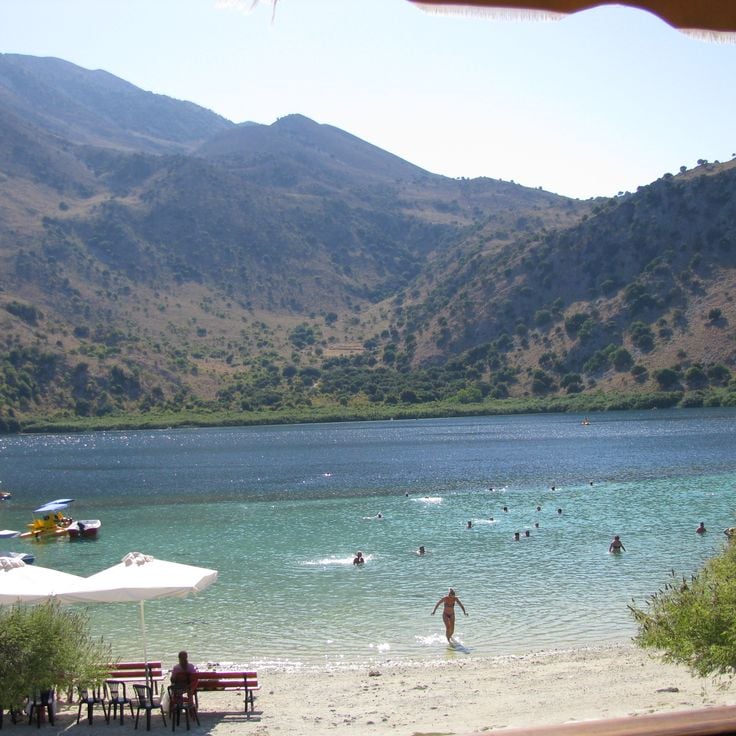
This lake lies between forested slopes south of the village of Georgioupoli. Plane trees and oleanders grow along the shore. The water reaches depths of around seventy feet (twenty meters). You can swim from the shore at several points. A road goes down to the lake, and a few tavernas stand nearby. The water is warm in summer, and turtles come to the shore in spring.
The hot springs of Edipsos bring water to the surface at temperatures between 28 and 86 degrees Celsius, containing mineral salts believed to have therapeutic properties. This natural water basin lies on Euboea Island and ranks among the known thermal springs of Greece, used since ancient times.
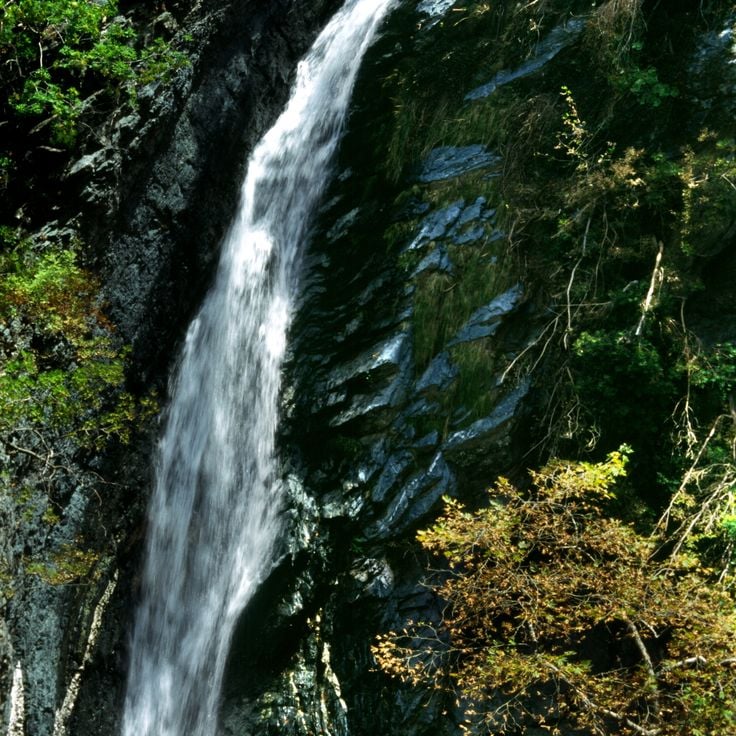
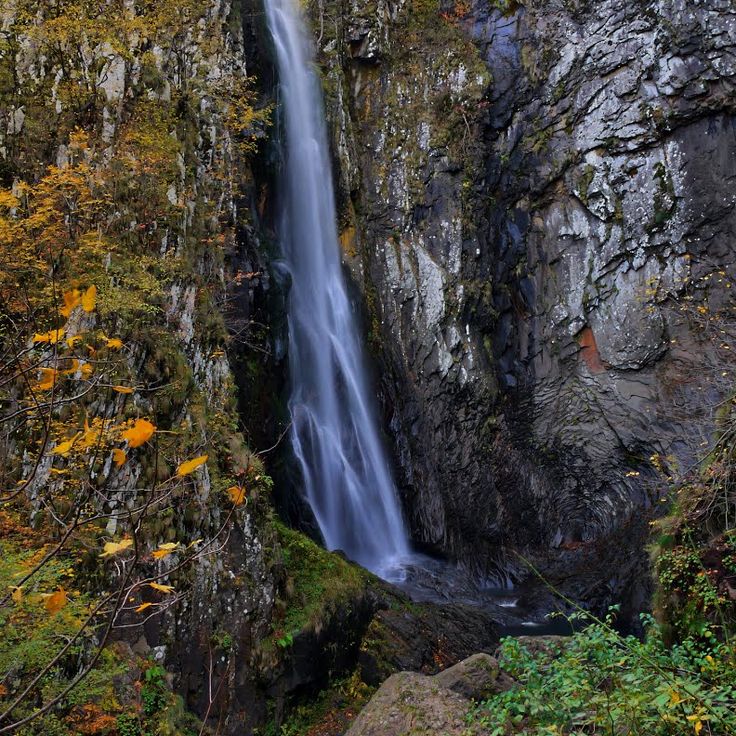
This waterfall drops from a height of 40 meters (130 feet) and forms a basin with clear water at its base, used for swimming. The natural pool is among the mountain waterfalls of Thrace's rocky landscape in northern Greece. In summer, the waterfall offers a place to cool down, while during the cooler months the basin's water feels especially cold. Access follows a walking trail with rock steps. The surrounding area is forested and the sound of falling water accompanies the entire descent.
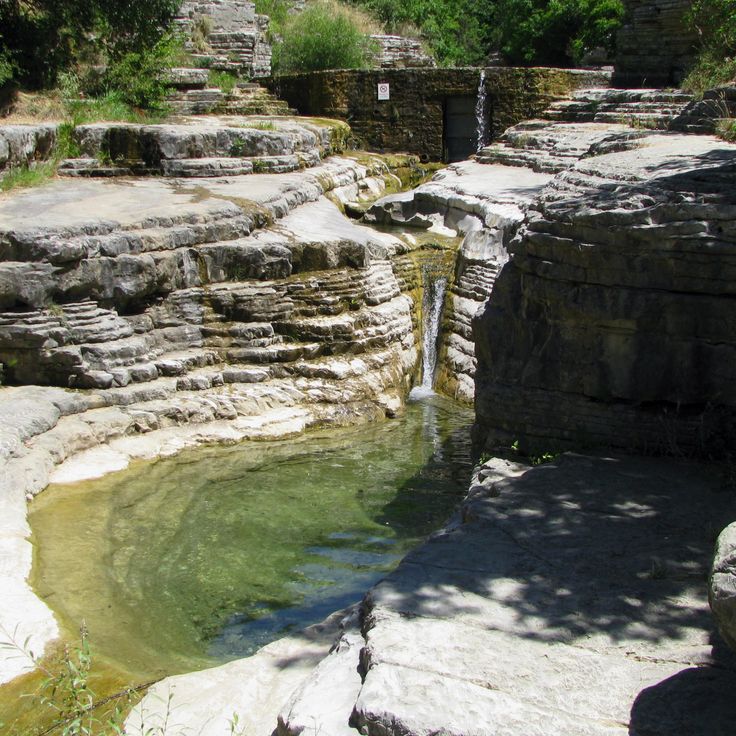
These stone basins formed through flowing water and fill with mountain streams. During summer they offer swimming in cold water and belong to the natural water basins of Greece in the Zagori region. The water comes directly from the mountains and collects in pools shaped by nature over time. Rock walls surround the area and provide shelter while the water keeps its cool temperature even on warm days.
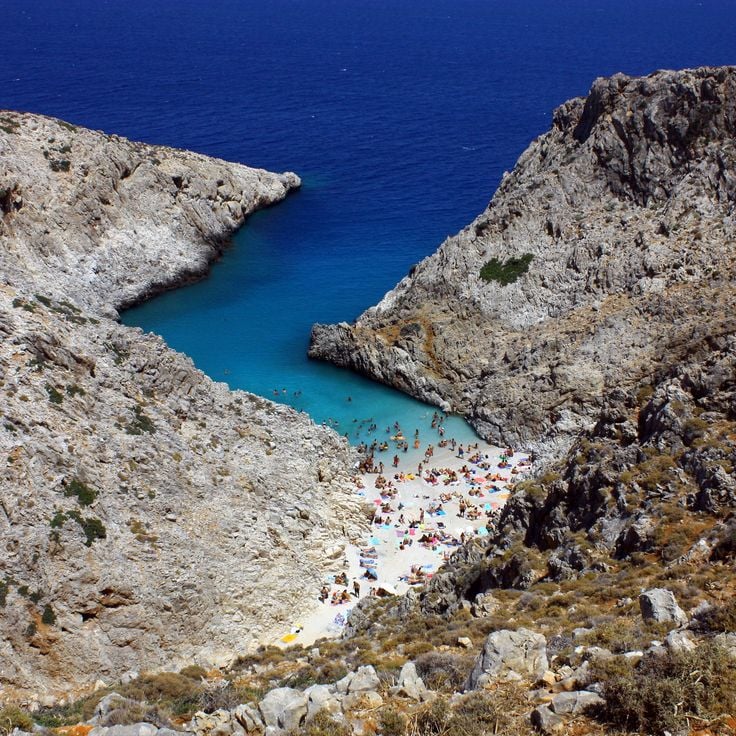
This beach sits in a narrow inlet between tall limestone cliffs on the northern coast of Crete. The water is clear and drops off quickly. The sand stretches about 40 meters in length. The cliffs shield the spot from the surrounding areas. Visitors reach the inlet by following a steep path down from the parking area. On warm days, people come here to swim and look at the rock formations.
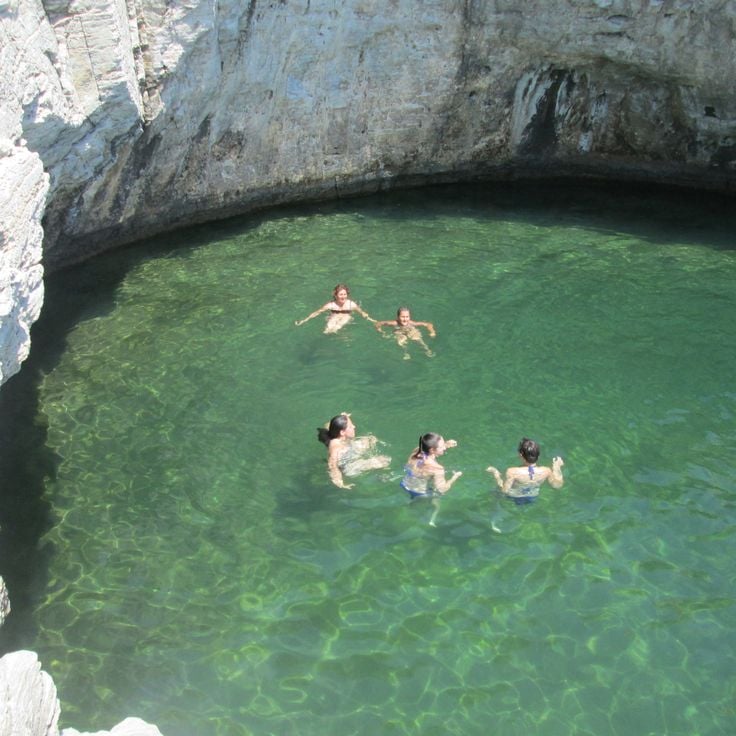
This oval natural pool sits in the rocks of Thassos, about 10 feet (3 meters) deep. Seawater flows through cracks in the stones and fills the basin. The cliffs around the pool are smooth and warm in the sun. People jump from the rocks into the cold water or sit at the edge. The pool is surrounded by the Aegean Sea and lies on the southeast coast of the island. When the sea is calm the water in the basin is clear and turquoise.
This waterfall carries water year-round and drops into a deep basin surrounded by cliffs. The natural pool formed through geological processes over thousands of years, as flowing water eroded stone and carved a hollow. The river falls from several meters high and creates a pool at the bottom where visitors can swim. The temperature remains cool throughout the year because the water comes directly from the mountains. Rocks and vegetation frame the site and provide shade during warm months. A footpath leads through forested terrain down to the basin. The sound of falling water is audible from a distance. Many come here to swim in a natural setting away from constructed beaches.
These natural pools sit in a forested valley where a stream flows down through several levels, forming a series of water basins. The water is clear and cool, surrounded by wild plants and Mediterranean greenery. The pools are connected by small waterfalls, and the larger basins invite swimming. The path winds over stones and roots, and the sound of water accompanies every step. In summer, people come here to cool off and enjoy the landscape, while in winter the water level rises and the current grows stronger.
These natural pools in the Fonias River sit deep in a gorge on Samothrace, surrounded by dense green forest. The water comes straight from the mountains and stays cold all year. Those who hike here follow a narrow path along the riverbed, past rocks and roots. At the waterfall, water collects in a deep basin where brave visitors swim. The air feels damp and cool, and the sound of rushing water follows every step.
This thermal lake formed inside limestone rock and is fed by underground springs. The water maintains a steady temperature of around 75 degrees Fahrenheit (24 degrees Celsius) throughout the year. Small fish swim in the mineral-rich water and gently nibble at the skin of swimmers. The spring flows continuously, naturally refreshing the water. The basin floor slopes gradually, and in some places deeper sections form. Vegetation grows along the banks, framing the turquoise water. The constant temperature makes this lake a swimming spot in any season within this collection of natural water basins in Greece.
These sulfur springs flow from the ground at around 104 degrees Fahrenheit (40 degrees Celsius), just a short walk from the ancient battlefield. The warm water comes from underground rock layers and has been used for centuries. Romans built baths here in the 2nd century, and traces of their structures remain visible today. Steam rises from the pools, carrying a mild sulfur scent. Locals visit regularly for bathing, especially during cooler months. The Thermopylae Springs are part of the natural water basins found across Greece, from the mountains of Thrace to the coast of Crete, offering places to swim throughout the country.
This water source lies in a wooded valley on Rhodes and feeds a small lake with clear water. Seven natural springs emerge from the ground and join into a stream that flows through a narrow tunnel. The surrounding forest consists of pine and plane trees that provide shade during summer. The basin at the end of the tunnel invites swimming, and the water remains cool even on hot days. Locals and travelers visit the site for its quiet setting and the pleasant temperature of the water.
This river makes its way through a dense grove of palms and empties into a lagoon by the Mediterranean. The cold freshwater gathers in a natural basin before reaching the sea. People swim in the river or in the lagoon, where the cooler river water mixes with the warm seawater. The palms provide shade along the banks. The beach sits at the mouth of the lagoon. This natural water basin lies on the southern coast of Crete and can be reached by a path from the top of the cliffs.
This waterfall drops about 40 meters (130 feet) into a round basin fed by mountain streams. The water stays cool and clear throughout the year. The Waterfall of Milona sits within a gorge on Crete, surrounded by rock walls and vegetation that provide shade. Access follows a narrow path along the edge of the gorge. The basin offers a place to swim, especially during the warm months when the cool water provides relief from the heat.
This lake lies between forested slopes south of the village of Georgioupoli. Plane trees and oleanders grow along the shore. The water reaches depths of around seventy feet (twenty meters). You can swim from the shore at several points. A road goes down to the lake, and a few tavernas stand nearby. The water is warm in summer, and turtles come to the shore in spring.
The hot springs of Edipsos bring water to the surface at temperatures between 28 and 86 degrees Celsius, containing mineral salts believed to have therapeutic properties. This natural water basin lies on Euboea Island and ranks among the known thermal springs of Greece, used since ancient times.
This waterfall drops from a height of 40 meters (130 feet) and forms a basin with clear water at its base, used for swimming. The natural pool is among the mountain waterfalls of Thrace's rocky landscape in northern Greece. In summer, the waterfall offers a place to cool down, while during the cooler months the basin's water feels especially cold. Access follows a walking trail with rock steps. The surrounding area is forested and the sound of falling water accompanies the entire descent.
These stone basins formed through flowing water and fill with mountain streams. During summer they offer swimming in cold water and belong to the natural water basins of Greece in the Zagori region. The water comes directly from the mountains and collects in pools shaped by nature over time. Rock walls surround the area and provide shelter while the water keeps its cool temperature even on warm days.
This beach sits in a narrow inlet between tall limestone cliffs on the northern coast of Crete. The water is clear and drops off quickly. The sand stretches about 40 meters in length. The cliffs shield the spot from the surrounding areas. Visitors reach the inlet by following a steep path down from the parking area. On warm days, people come here to swim and look at the rock formations.
This oval natural pool sits in the rocks of Thassos, about 10 feet (3 meters) deep. Seawater flows through cracks in the stones and fills the basin. The cliffs around the pool are smooth and warm in the sun. People jump from the rocks into the cold water or sit at the edge. The pool is surrounded by the Aegean Sea and lies on the southeast coast of the island. When the sea is calm the water in the basin is clear and turquoise.
This waterfall carries water year-round and drops into a deep basin surrounded by cliffs. The natural pool formed through geological processes over thousands of years, as flowing water eroded stone and carved a hollow. The river falls from several meters high and creates a pool at the bottom where visitors can swim. The temperature remains cool throughout the year because the water comes directly from the mountains. Rocks and vegetation frame the site and provide shade during warm months. A footpath leads through forested terrain down to the basin. The sound of falling water is audible from a distance. Many come here to swim in a natural setting away from constructed beaches.
These natural pools sit in a forested valley where a stream flows down through several levels, forming a series of water basins. The water is clear and cool, surrounded by wild plants and Mediterranean greenery. The pools are connected by small waterfalls, and the larger basins invite swimming. The path winds over stones and roots, and the sound of water accompanies every step. In summer, people come here to cool off and enjoy the landscape, while in winter the water level rises and the current grows stronger.
These natural pools in the Fonias River sit deep in a gorge on Samothrace, surrounded by dense green forest. The water comes straight from the mountains and stays cold all year. Those who hike here follow a narrow path along the riverbed, past rocks and roots. At the waterfall, water collects in a deep basin where brave visitors swim. The air feels damp and cool, and the sound of rushing water follows every step.
This thermal lake formed inside limestone rock and is fed by underground springs. The water maintains a steady temperature of around 75 degrees Fahrenheit (24 degrees Celsius) throughout the year. Small fish swim in the mineral-rich water and gently nibble at the skin of swimmers. The spring flows continuously, naturally refreshing the water. The basin floor slopes gradually, and in some places deeper sections form. Vegetation grows along the banks, framing the turquoise water. The constant temperature makes this lake a swimming spot in any season within this collection of natural water basins in Greece.
These sulfur springs flow from the ground at around 104 degrees Fahrenheit (40 degrees Celsius), just a short walk from the ancient battlefield. The warm water comes from underground rock layers and has been used for centuries. Romans built baths here in the 2nd century, and traces of their structures remain visible today. Steam rises from the pools, carrying a mild sulfur scent. Locals visit regularly for bathing, especially during cooler months. The Thermopylae Springs are part of the natural water basins found across Greece, from the mountains of Thrace to the coast of Crete, offering places to swim throughout the country.
This water source lies in a wooded valley on Rhodes and feeds a small lake with clear water. Seven natural springs emerge from the ground and join into a stream that flows through a narrow tunnel. The surrounding forest consists of pine and plane trees that provide shade during summer. The basin at the end of the tunnel invites swimming, and the water remains cool even on hot days. Locals and travelers visit the site for its quiet setting and the pleasant temperature of the water.
This river makes its way through a dense grove of palms and empties into a lagoon by the Mediterranean. The cold freshwater gathers in a natural basin before reaching the sea. People swim in the river or in the lagoon, where the cooler river water mixes with the warm seawater. The palms provide shade along the banks. The beach sits at the mouth of the lagoon. This natural water basin lies on the southern coast of Crete and can be reached by a path from the top of the cliffs.
This waterfall drops about 40 meters (130 feet) into a round basin fed by mountain streams. The water stays cool and clear throughout the year. The Waterfall of Milona sits within a gorge on Crete, surrounded by rock walls and vegetation that provide shade. Access follows a narrow path along the edge of the gorge. The basin offers a place to swim, especially during the warm months when the cool water provides relief from the heat.
This lake lies between forested slopes south of the village of Georgioupoli. Plane trees and oleanders grow along the shore. The water reaches depths of around seventy feet (twenty meters). You can swim from the shore at several points. A road goes down to the lake, and a few tavernas stand nearby. The water is warm in summer, and turtles come to the shore in spring.
The hot springs of Edipsos bring water to the surface at temperatures between 28 and 86 degrees Celsius, containing mineral salts believed to have therapeutic properties. This natural water basin lies on Euboea Island and ranks among the known thermal springs of Greece, used since ancient times.
This waterfall drops from a height of 40 meters (130 feet) and forms a basin with clear water at its base, used for swimming. The natural pool is among the mountain waterfalls of Thrace's rocky landscape in northern Greece. In summer, the waterfall offers a place to cool down, while during the cooler months the basin's water feels especially cold. Access follows a walking trail with rock steps. The surrounding area is forested and the sound of falling water accompanies the entire descent.
These stone basins formed through flowing water and fill with mountain streams. During summer they offer swimming in cold water and belong to the natural water basins of Greece in the Zagori region. The water comes directly from the mountains and collects in pools shaped by nature over time. Rock walls surround the area and provide shelter while the water keeps its cool temperature even on warm days.
This beach sits in a narrow inlet between tall limestone cliffs on the northern coast of Crete. The water is clear and drops off quickly. The sand stretches about 40 meters in length. The cliffs shield the spot from the surrounding areas. Visitors reach the inlet by following a steep path down from the parking area. On warm days, people come here to swim and look at the rock formations.
This oval natural pool sits in the rocks of Thassos, about 10 feet (3 meters) deep. Seawater flows through cracks in the stones and fills the basin. The cliffs around the pool are smooth and warm in the sun. People jump from the rocks into the cold water or sit at the edge. The pool is surrounded by the Aegean Sea and lies on the southeast coast of the island. When the sea is calm the water in the basin is clear and turquoise.